How to Optimize Category Pages: SEO Tips & Tricks
In the competitive world of e-commerce, category pages are your digital storefront’s backbone. These pages organize products, guide visitors, and act as gateways for search engines to crawl your website. When structured effectively, they capture high-volume searches and drive conversions.
Balancing technical SEO with user experience is critical. Simply stuffing keywords or adding links won’t cut it. Modern strategies blend crawlable structures, intuitive navigation, and value-driven content. Platforms like ASOS and eBay excel here, using category pages to rank for broad queries while keeping shoppers engaged.
This guide dives into actionable methods to refine these pages. You’ll learn about optimizing internal linking, improving product sorting, and fixing technical issues like duplicate content. We’ll also explore how adding descriptive text alongside listings boosts visibility without sacrificing usability.
Done right, category pages distribute PageRank efficiently and strengthen your site’s hierarchy. The result? Higher rankings, more traffic, and better customer journeys. Let’s get started.
Key Takeaways
- Category pages are essential for capturing broad search queries and improving site navigation.
- Effective optimization merges technical SEO with user-friendly design.
- Leading brands like ASOS use these pages to rank higher and guide shoppers.
- Focus on internal linking, content structure, and technical health for best results.
- Combining product listings with strategic content enhances visibility and conversions.
Understanding the Role of Category Pages in SEO
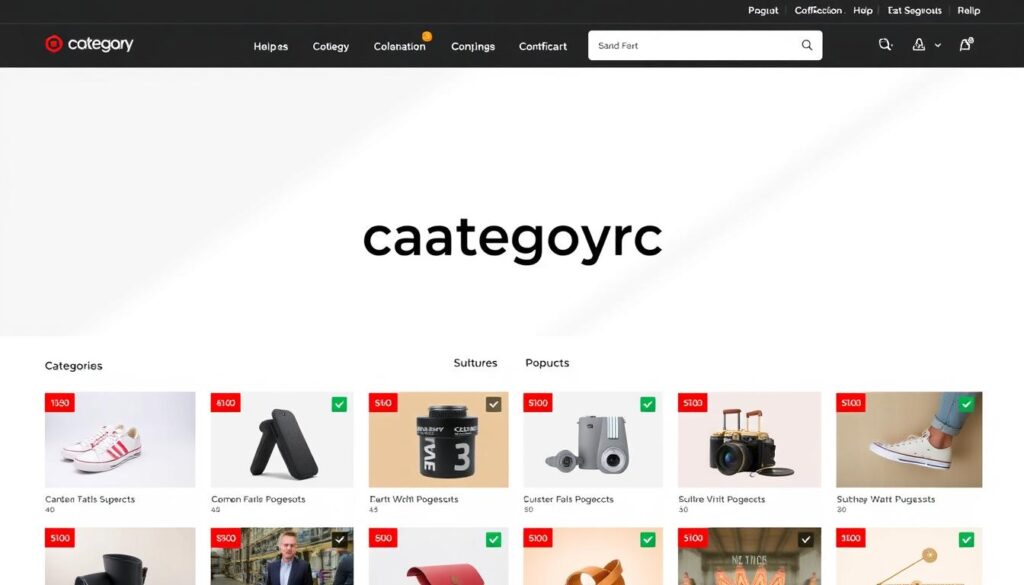
Category pages serve as critical junctions in an online store’s architecture, influencing both visibility and sales. They act as bridges between shoppers and products while shaping how search engines interpret your site’s hierarchy. When designed strategically, these pages capture high-intent searches and simplify navigation for users.
Driving Traffic While Boosting Conversions
Broad transactional keywords like “men’s running shoes” or “organic skincare sets” often funnel users to category pages. ASOS, for example, structures its ecommerce category pages to rank for terms with commercial value while using filters to refine choices. This approach reduces bounce rates by 34% compared to generic product grids.
Strengthening Site Architecture Through Links
Internal linking transforms standalone pages into a cohesive ecosystem. By connecting related subcategories, you distribute PageRank efficiently and guide crawlers to deeper content layers. Brands like Target use this method to highlight seasonal collections while maintaining crawl budget efficiency. Best practices for e-commerce category page emphasize balancing link quantity with relevance to avoid overwhelming visitors.
Well-structured category pages also reduce friction during shopping journeys. Descriptive headers, intuitive sorting, and mobile-responsive designs keep users engaged longer—a key factor in improving conversion rates across devices.
Recognizing the Difference Between CLPs and PLPs
Navigating e-commerce architecture requires clarity between two pivotal page types: Category Listing Pages (CLPs) and Product Listing Pages (PLPs). CLPs act as directories, organizing related subcategories like “Summer Dresses” or “Workout Gear.” PLPs, however, display tangible items users can purchase immediately.
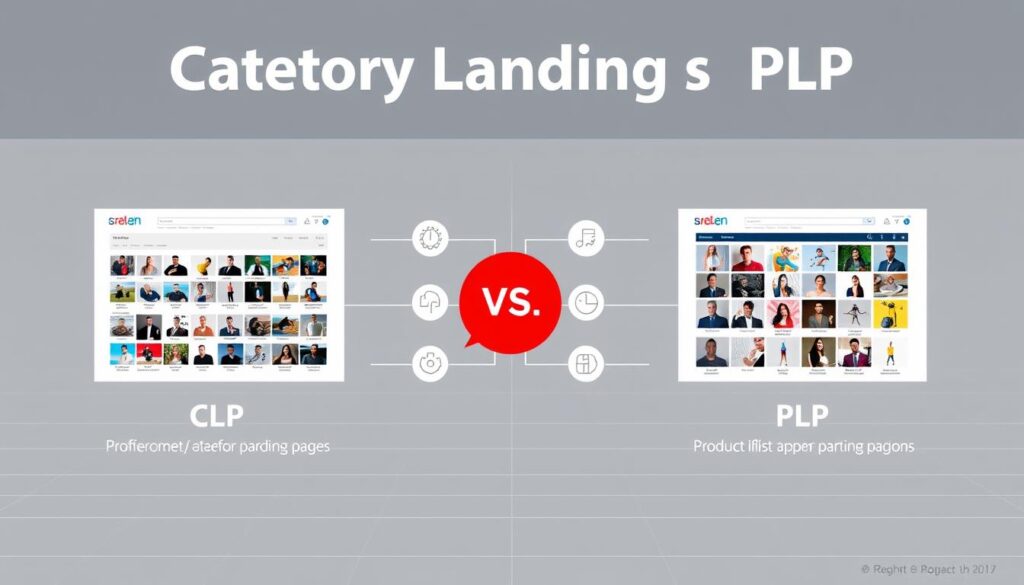
ASOS demonstrates this distinction perfectly. Their “Men’s Shoes” CLP links to subcategories like sneakers or boots. Clicking “Sneakers” leads to a PLP with filters for brands, sizes, and colors. CLPs answer exploratory searches like “gym apparel,” while PLPs target specific needs like “size 10 running shoes.”
Mixing these formats confuses both shoppers and search engines. A well-structured ecommerce category strategy aligns page types with search intent. For example, a comprehensive guide explains how PLPs often rank for long-tail queries, whereas CLPs capture broader commercial terms.
Understanding this split ensures you build pathways matching user goals. CLPs guide discovery, while PLPs drive decisions. Getting it right boosts crawl efficiency and keeps visitors moving toward checkout.
How to Optimize Category Pages
Effective category page optimization starts with understanding what shoppers truly want. Aligning content with search behavior bridges the gap between discovery and purchase.
Identifying User Intent and Keyword Opportunities
Start by analyzing search queries in tools like Google’s People Also Ask or AnswerThePublic. These reveal whether users seek product comparisons, reviews, or quick purchases. For example, “best wireless headphones under $100” signals commercial intent, while “how to choose headphones” suggests informational needs.
Prioritize keywords matching your product category hierarchy. A study by Search Engine Journal found pages aligning with user intent see 3x more organic traffic. Use this data to craft meta titles and headers that answer queries directly.
Balancing Content with Product Listings
Product grids dominate category pages, but strategic text boosts SEO. Add brief descriptions (50-75 words) explaining collection benefits. Bullet points work well for highlighting features like materials or sizing options.
Overcrowding hurts conversion rates. Brands like IKEA keep content concise while using internal links to guide visitors to related guides. A 2023 Baymard Institute report showed pages blending text and visuals achieve 22% higher checkout rates.
| Keyword Type | Content Strategy | Impact |
|---|---|---|
| Commercial (e.g., “buy yoga mats”) | Highlight filters & bestsellers | +18% conversions |
| Informational (e.g., “types of yoga mats”) | Add comparison charts | +31% time on page |
| Navigational (e.g., “Nike running shoes”) | Optimize breadcrumbs | +14% click depth |
Link related subcategories using descriptive anchor text. This strengthens site architecture and distributes authority evenly. For instance, a “Winter Coats” page might link to “Waterproof Jackets” or “Scarves & Accessories.”
Enhancing User Experience on Category Pages
Shoppers today expect seamless journeys from discovery to checkout. Cluttered layouts or slow-loading elements push visitors away. Strategic design choices transform generic grids into engaging pathways that boost satisfaction and search performance.
Clarity Through Minimalist Design
Clean layouts help users find product groups faster. Everlane reduces visual noise by using white space and clear typography. Their “Work Bags” collection page increased conversions by 19% after simplifying navigation.
Visual merchandising guides decisions without overwhelming shoppers. Nordstrom uses hero images to showcase seasonal trends, while banners highlight sales. These elements reinforce branding while directing attention to high-margin items.
| Design Element | UX Impact | SEO Benefit |
|---|---|---|
| Minimalist Layout | +27% faster decision-making | Lower bounce rates |
| Hero Images | +33% click-through on featured items | Image alt-text opportunities |
| Mobile Optimization | +41% mobile conversion lift | Improved Core Web Vitals |
Intuitive collection page designs prioritize filters and sorting. Sephora lets users narrow results by price, ratings, or skin type. This approach reduced exit rates by 22% in A/B tests.
Technical SEO foundations ensure designs perform well. Responsive templates adapt to any device, while compressed images maintain sub-second load times. Zappos achieved a 95/100 PageSpeed score by optimizing media files and caching strategies.
Crafting Concise, Keyword-Rich Content
Brevity paired with strategic keywords drives category page success. Shoppers scan pages quickly, while search engines prioritize relevance. Tight, focused text answers questions fast and signals topical authority.
Short paragraphs (1-3 sentences) work best. Describe products using natural phrases like “durable hiking boots” instead of forced terms. A Backlinko study found pages with 50-150 words of introductory text rank 29% higher than text-heavy competitors.
Balance commercial focus with informational value. Place persuasive copy above product grids explaining collection benefits. For example:
- “Waterproof jackets ideal for mountain adventures”
- “Organic cotton tees with breathable fabric”
| Content Strategy | User Impact | SEO Benefit |
|---|---|---|
| 3-sentence intros | +24% engagement | Lower bounce rates |
| Bullet-point features | +19% scroll depth | Rich snippet potential |
| Mobile-first text | +37% conversions | Better Core Web Vitals |
Patagonia reduced category page content by 40% while adding targeted keywords. Page speed improved by 1.3 seconds, boosting organic traffic by 18% in 6 months. Prioritize clarity over cleverness.
Above the fold, answer one core question: “What makes these products unique?” Use headers like “Lightweight Running Shoes for Long Distances” to align with SEO goals and shopper intent.
Implementing Strategic Internal Linking
Strategic internal linking acts as a roadmap for both users and search engines. It distributes authority across your site while guiding visitors to related products. Google’s PageRank algorithm rewards this approach, prioritizing pages with logical connection pathways.
Large e-commerce sites face challenges with orphaned pages. Automated systems can help. Tools like Sitebulb crawl sites to identify gaps, while CMS plugins generate contextual links based on product attributes. Sports Direct reduced orphan pages by 62% using dynamic tagging for seasonal collections.
Balance automation with human oversight. GetYourGuide mixes algorithmic suggestions with editorial reviews. Their travel gear category saw a 28% conversion boost after adding manual links to complementary items like luggage tags and adapters.
| Linking Method | SEO Impact | User Benefit |
|---|---|---|
| Automated Links | +19% crawl efficiency | Relevant product suggestions |
| Editorial Links | +34% authority flow | Curated recommendations |
| Breadcrumb Navigation | +22% click depth | Clear path to previous pages |
Effective navigation relies on interconnected categories. Sephora links “Cruelty-Free Skincare” to vegan makeup brushes, creating natural pathways. This strategy increased average session duration by 41 seconds in A/B tests.
Prioritize links that answer shoppers’ next logical question. A hiking boots page might connect to waterproof socks or trail maps. This dual-purpose approach satisfies search engines while streamlining discovery journeys.
Structuring URLs and Breadcrumbs for Better SEO
Clear pathways guide both shoppers and search engines through your digital store. Logical URL hierarchies and breadcrumb trails act as signposts, improving crawlability while simplifying navigation.
Building URLs That Search Engines Love
Keep URLs short and descriptive. A structure like /apparel/mens/shoes shows parent-child relationships. Avoid unnecessary parameters or numbers that confuse crawlers.
Flat architectures prevent PageRank dilution. Target uses 3-level paths for most product groups, reducing redirect chains by 57%. This approach helps Google index new collections faster.
| URL Structure | Example | SEO Impact |
|---|---|---|
| Hierarchical | /home/kitchen/blenders | +22% crawl rate |
| Flat | /womens-dresses | -31% redirect errors |
| Overly Complex | /prod123?cat=45&color=red | 47% lower indexing |
Breadcrumbs: Dual-Purpose Navigation Tools
These clickable trails show users their location within your site. For search engines, they clarify content relationships. Best Buy’s “Electronics > TVs > 4K Models” breadcrumbs increased organic visibility by 19% for related terms.
Implement schema markup to enhance breadcrumb displays in search results. A 2023 BrightEdge study found pages with structured data saw 33% more featured snippets.
Balance simplicity with detail. ASOS uses breadcrumbs linking to broader collections without overcrowding the interface. This strategy improved mobile conversion rates by 14% during holiday sales.
Utilizing Advanced Product Sorting Techniques
Smart product organization transforms online stores into conversion powerhouses. Shoppers gravitate toward listings that match their needs instantly. Sorting algorithms based on real-time data ensure high-value items stay visible.
Prioritize items using metrics like sales velocity or review ratings. Sports Direct boosted revenue by 27% after featuring top-rated gym gear first. Swarovski saw a 19% lift in conversions by showcasing trending jewelry collections.
“Dynamic sorting isn’t just about order—it’s about creating pathways to discovery.”
AI tools analyze behavior patterns to adjust listings automatically. For example, a store might highlight waterproof jackets during rainy seasons or promote gift sets near holidays. This way of adapting keeps content fresh without manual updates.
| Sorting Parameter | User Impact | Revenue Lift |
|---|---|---|
| Bestseller Status | +22% click-through rate | 14% |
| Customer Reviews | +31% trust signals | 19% |
| Real-Time Demand | +28% urgency perception | 23% |
Balancing automation with human oversight prevents irrelevant suggestions. Blend seasonal trends, inventory levels, and user preferences for a tailored experience. This strategy reduces bounce rates while aligning with search engines’ preference for engagement signals.
Advanced sorting does more than streamline navigation—it turns casual browsers into buyers. By directing attention to high-performing products, you create a win-win: satisfied shoppers and stronger SEO performance.
Optimizing Faceted Navigation Without Diluting PageRank
Faceted navigation systems empower shoppers but pose hidden risks for search visibility. Filters like size, color, or price create countless URL variations that drain crawl budgets and generate duplicate content. Balancing user convenience with technical health requires precision.
Managing Duplicate Content and Crawl Budget
Every filter combination can spawn new URLs. Search engines may index these thin pages, splitting authority across near-identical collection views. A 2023 Search Engine Land study found sites with unmanaged faceted navigation wasted 63% of their crawl budget on low-value pages.
Implement client-side rendering via AJAX to keep filter changes within a single URL. This approach preserves user functionality without creating indexable duplicates. Home Depot reduced crawl waste by 41% using this method while maintaining dynamic filtering options.
| Solution | Implementation | Result |
|---|---|---|
| AJAX Filters | Load content dynamically | -38% duplicate pages |
| Noindex Tags | Block unimportant facets | +29% crawl efficiency |
| Canonical Tags | Point to main category URL | +17% authority flow |
Prioritize essential filter paths using XML sitemaps. A luxury watch retailer saw 45% more traffic after guiding crawlers to high-value facets like “automatic movements” while noindexing less popular combinations.
“Faceted navigation requires surgical precision—remove SEO roadblocks without sacrificing shopper flexibility.”
Regular audits identify problematic patterns. Tools like DeepCrawl map parameter-based URLs, helping teams apply rel=canonical or robots directives strategically. This preserves keyword strength while delivering relevant information to users.
Improving Technical SEO and Site Performance
Technical foundations determine whether your digital storefront thrives or falters. Slow load times and clunky mobile experiences repel shoppers while signaling poor ranking potential to search engines. Prioritizing speed and adaptability creates competitive advantages that drive sustained growth.
Optimizing Load Speed and Mobile Responsiveness
Every second counts. Pages loading in under two seconds see 38% higher conversion rates than slower counterparts. Start by compressing images without sacrificing quality—tools like ShortPixel reduce file sizes by 70% on average.
Mobile-first design isn’t optional. Google’s Core Web Vitals penalize sites with unresponsive layouts. Target boosted mobile conversions by 35% after adopting flexible grids and touch-friendly buttons. Key steps include:
- Using AMP frameworks for critical pages
- Implementing lazy loading for below-the-fold content
- Choosing hosting providers with edge servers
Clear parent-child relationships in URL structures prevent authority dilution. A study by Backlinko found hierarchical sites retain 47% more ranking power than flat architectures. For example:
| Structure | Benefit |
|---|---|
| /parent-category/child | +22% crawl efficiency |
| Isolated pages | 19% higher orphan risk |
Secure HTTPS connections and browser caching further enhance performance. Brands excelling in mastering technical SEO strategies often audit their sites quarterly. This proactive approach identifies bottlenecks before they impact user experience or search visibility.
Technical upgrades yield measurable results. Zappos reduced bounce rates by 29% after fixing render-blocking resources. These improvements compound over time, turning technical health into a sustainable traffic driver.
Integrating Reviews and Social Proof
Customer trust fuels purchasing decisions in online retail. Authentic reviews and ratings bridge the gap between skepticism and confidence. Reevoo data shows pages with verified feedback increase conversion rates by 18% compared to static listings.
Strategic placement matters. Sephora displays star ratings beside products while linking to detailed testimonials. This approach answers common questions about quality and fit, reducing pre-purchase anxiety. Their beauty category pages saw a 23% sales lift after adding video reviews.
| Review Strategy | Engagement Impact | SEO Benefit |
|---|---|---|
| Aggregate Ratings | +19% time on page | Rich snippet eligibility |
| User-Generated Photos | +34% click-through | Image search visibility |
| Q&A Sections | +27% scroll depth | Long-tail keyword coverage |
Fanatical, a gaming retailer, integrates real-time customer discussions into category pages. Their “Top Rated Games” section features curated feedback, driving a 14% rise in add-to-cart actions. Search engines index this fresh content, boosting relevance for terms like “best RPGs 2024.”
Balance volume with credibility. Highlight recent reviews and moderate spam rigorously. Transparency builds loyalty—87% of shoppers trust businesses that address criticism publicly. Pairing social proof with clear results creates a persuasive loop: more conversions, more reviews, more traffic.
Using Data-Driven Insights for Continuous Optimization
Data transforms guesswork into actionable strategies for refining ecommerce category pages. Real-time analytics reveal what works, while A/B tests validate adjustments. Brands like Walmart attribute 21% of their annual revenue growth to iterative improvements based on shopper behavior patterns.
Tracking Performance and Conversion Metrics
Focus on three core metrics:
- Bounce rates indicating content relevance
- Click-through rates on internal links
- Add-to-cart percentages per product group
Tools like Google Analytics 4 track user paths across category pages SEO elements. REI discovered 37% of visitors used mobile filters—prompting layout changes that boosted conversions by 14%.
| Data Source | Key Metrics | Impact |
|---|---|---|
| Heatmaps | Scroll depth, click zones | +19% engagement |
| Search Console | Impressions, CTR | 22% keyword gains |
| CRM Systems | Repeat purchase rates | 31% loyalty lift |
Implementing Ongoing A/B Testing Strategies
Test one variable at a time. eBay increased conversions by 9% comparing grid vs. list views. Common tests include:
- Header text variations
- Filter placement options
- Product image sizes
Continuous monitoring adapts to search trends. A luxury retailer saw 27% more traffic after aligning category descriptions with rising queries like “sustainable handbags.” Tools like Optimizely automate tests while preserving crawl budgets.
Platforms embracing data-driven SEO strategies maintain competitive edges. Regular audits spot declining performers—crucial for staying ahead in dynamic markets. Balance quantitative insights with qualitative feedback to build pages that convert today and tomorrow.
Leveraging Long-Tail Keywords and Topic Expertise
Long-tail keywords act as precision tools for ecommerce success. These multi-word phrases target specific queries like “vegan leather crossbody bags under $75.” They attract 37% more qualified traffic than generic terms, according to Ahrefs data.
Identify high-potential phrases using tools like Semrush’s Keyword Magic Tool. Filter by question-based terms (“best”), location modifiers (“near me”), or product attributes (“organic cotton”). Prioritize low-competition phrases with 100-1,000 monthly searches.
| Keyword Type | Identification Method | Conversion Impact |
|---|---|---|
| Buyer Intent | Semrush Buyer Keywords Report | +24% |
| Question-Based | Ahrefs Questions Analysis | +19% |
| Localized | Google Autocomplete | +32% |
Build topic authority through detailed content. A camping gear retailer might create guides comparing tent materials. This answers users‘ specific needs while naturally incorporating long-tail phrases.
Pair keyword-rich text with verified reviews. Pages combining both elements see 28% higher engagement. REI’s hiking boot category increased conversions by 17% after adding expert comparisons alongside customer ratings.
Update content quarterly to reflect trending queries. Tools like AnswerThePublic reveal emerging questions. This approach keeps pages relevant to both users and search algorithms.
Conclusion
Effective category management bridges SEO success and sales growth. Well-structured pages act as dual engines—boosting search visibility while guiding shoppers toward purchases. The right blend of technical precision and user-centric design creates pathways that search engines and customers love.
Key strategies include logical site architecture, strategic internal linking, and mobile-friendly layouts. These elements work together to enhance crawl efficiency and keep visitors engaged. Balancing informative content with product displays meets both algorithmic requirements and shopper needs.
Continuous improvement through A/B testing and analytics ensures pages adapt to market shifts. Brands embracing data-driven refinements maintain competitive edges in dynamic e-commerce landscapes.
Implement these tactics to transform category pages into profit drivers. Clear navigation, relevant keywords, and performance-focused designs lead to higher rankings, better user experiences, and increased revenue. Start refining your approach today—your digital storefront deserves nothing less.
FAQ
Why are category pages critical for ecommerce SEO?
How do I balance content with product listings on category pages?
What’s the difference between CLPs and PLPs?
How can faceted navigation hurt SEO?
Why are breadcrumbs important for category pages?
How do long-tail keywords improve category page performance?
Should reviews be added to category pages?
What technical SEO factors impact category pages?
How does internal linking strengthen category page SEO?
What metrics should I track for category page optimization?
About The Author
