Avoid Keyword Cannibalization: Tips for Better SEO Results
When multiple pages on your website compete for the same search terms, it creates confusion for search engines. This issue, often called keyword cannibalization, weakens your ability to rank effectively. Instead of consolidating authority, duplicate or overlapping content splits visibility across competing pages.
For example, Apple structures product pages to focus on distinct features, ensuring each page serves a unique purpose. Similarly, Backlinko clusters related terms under comprehensive guides. These strategies prevent internal competition while strengthening topical relevance.
This guide provides actionable steps to audit and resolve conflicts in your SEO strategy. You’ll learn to identify problematic patterns, prioritize high-value pages, and align content with user intent. The process emphasizes analyzing performance data to make informed decisions rather than guesswork.
Key Takeaways
- Keyword cannibalization occurs when pages compete for identical search terms.
- Overlapping content confuses search engines and reduces rankings.
- Strategic optimization can turn multiple pages into assets.
- Real-world brands like Apple use topic differentiation effectively.
- Regular audits prevent conflicts and improve organic visibility.
Understanding Keyword Cannibalization
Internal competition among pages can sabotage SEO efforts. When your site hosts multiple articles or product descriptions targeting identical phrases, search engines struggle to prioritize which one deserves visibility. This confusion often leads to lower rankings for all competing pages.

What Is Keyword Cannibalization?
This issue arises when two or more pages on your domain target the same primary keyword. For instance, Nike faced challenges when separate blog posts and product listings all optimized for “running shoes” diluted their authority. Search algorithms may split traffic between them, reducing overall performance.
Why It Matters for SEO
Overlapping content confuses crawlers, making it harder to determine relevance. A study by Backlinko revealed that domains with clear intent alignment saw 47% higher click-through rates. Common causes include:
- Duplicate topics across blog posts
- Poorly structured subcategory pages
- Redirect chains merging unrelated URLs
| Factor | Harmful Cannibalization | Acceptable Targeting |
|---|---|---|
| Content Purpose | Identical product descriptions | Guides vs. product pages |
| Keyword Usage | Exact match repetition | Variations with distinct angles |
| Search Intent | Mismatched user goals | Aligned with query context |
Not all overlap is bad. Targeting related phrases with unique angles—like “best trail running shoes” versus “how to clean running shoes”—can capture varied search needs without conflict. The key lies in aligning content with specific intent signals.
The Impact on SEO Performance
Conflicting page signals confuse algorithms and hurt rankings. When multiple URLs target similar terms, search engines struggle to identify which page deserves priority. This often results in none ranking prominently, pushing all competing pages lower in search results.
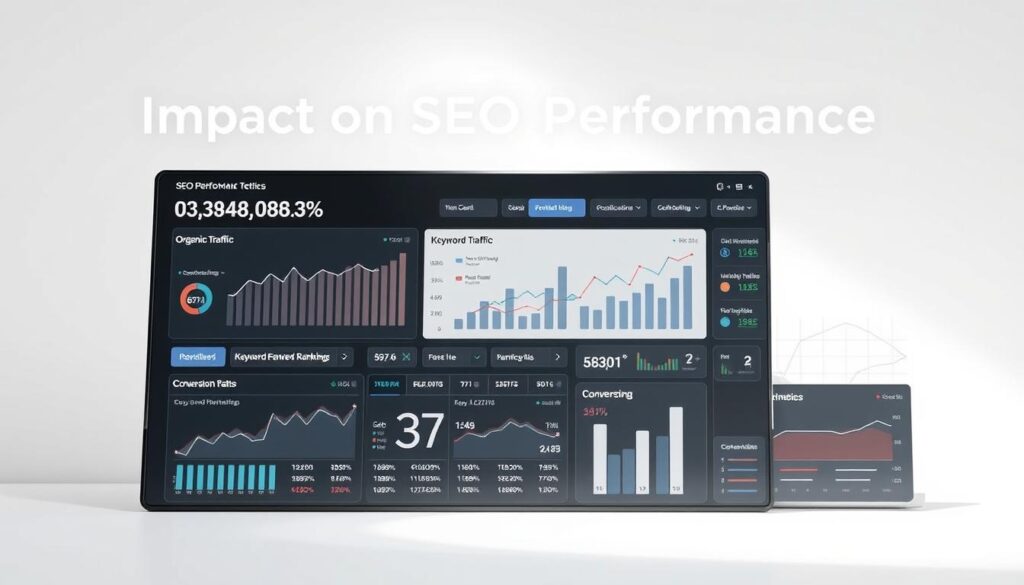
Authority dilution is another critical issue. Backlink equity and topical relevance split across pages instead of consolidating. A case study by SEMrush found sites with overlapping content saw 34% less organic traffic per page compared to consolidated counterparts.
Internal competition creates unreliable signals. For example, an e-commerce brand had three pages targeting “ergonomic office chairs.” Each page received minimal clicks, while a competitor’s single optimized page dominated rankings. Merging them boosted conversions by 22% in six weeks.
| Negative Scenario | Positive Outcome |
|---|---|
| Multiple pages with identical keywords | One authoritative page ranks higher |
| Traffic divided across URLs | Focused traffic improves engagement |
| Confused crawl budget allocation | Efficient indexing boosts visibility |
Consolidating content strengthens relevance signals. Pages with unified messaging and clear intent alignment perform better in search results. Prioritizing quality over quantity ensures your SEO efforts yield sustainable growth.
Recognizing Signs of Cannibalization
Spotting internal content conflicts early prevents wasted SEO efforts. Start by identifying multiple pages ranking for identical terms. Use Google Search Console’s Performance report to filter queries showing overlapping URLs in search results.
Manual checks using the “site:[domain]” operator in Google search reveal similar content. For example, typing “site:yourdomain.com running shoes” exposes all pages competing for that query. Look for redundant articles or product descriptions across your pages site.
Monitor ranking fluctuations and traffic drops. If three blog posts targeting “organic skincare” all lose visibility simultaneously, it signals an issue. Compare monthly analytics to spot patterns where multiple pages split clicks instead of consolidating authority.
Red flags include:
- Duplicate meta titles across URLs
- Pages answering identical user needs
- Stagnant rankings despite optimization
Implement quarterly audits using this comprehensive audit framework. Proactive detection ensures your content aligns with distinct search intent before algorithms penalize overlap.
How to Avoid Keyword Cannibalization
Resolving content conflicts requires strategic prioritization and optimization. Start by identifying which page performs best for your target keyword using analytics tools like Google Search Console. Merge pages with overlapping themes or redirect weaker URLs to consolidate authority.
Adjust on-page elements to strengthen priority pages. Update meta titles, headers, and body content to emphasize unique value propositions. For example, repurpose duplicate blog posts into comprehensive guides addressing different user needs.
Deoptimize secondary pages by removing competing phrases from titles and reducing keyword density. Implement 301 redirects for outdated content while preserving backlink equity. This channels ranking power to your chosen URL.
Prevent future conflicts with disciplined planning:
- Map content to specific search intent categories
- Use a calendar to track topic assignments
- Regularly audit for overlapping keyword usage
Focus on creating deep, intent-aligned resources rather than fragmented articles. Brands like HubSpot maintain clear content hierarchies by grouping subtopics under pillar pages. This approach eliminates internal competition while improving topical authority.
Utilizing SEO Tools for Detection
Proactive detection of content conflicts relies on specialized tools. Platforms like Semrush simplify identifying pages competing for identical target keywords. Their Position Tracking feature scans rankings across search engines, flagging URLs that cannibalize visibility.
Start by importing keyword lists from Google Analytics into Semrush. Track performance trends monthly to spot overlaps. The tool highlights pages ranking for the same terms, revealing hidden competition. Prioritize URLs with declining traffic or stagnant positions.
Google Search Console offers complementary insights. Analyze the Performance report to see which queries trigger multiple page impressions. Filter by specific keywords to uncover duplicate content candidates. Look for URLs splitting clicks without clear intent differentiation.
Regular audits using these tools prevent long-term damage. Schedule weekly checks for new overlaps and adjust internal links to reinforce priority pages. Early detection lets you merge content or update meta tags before algorithms penalize duplication.
Combining Google Search Console data with third-party platforms creates a robust monitoring system. This approach helps maintain clean site architecture while preserving organic growth across search engines.
Fixing Issues Through Content Consolidation
Consolidating overlapping pages strengthens SEO by directing authority to a single resource. Start by identifying duplicate or similar content using analytics tools. Merge high-performing sections into one comprehensive guide, ensuring it fully addresses user intent.
For example, a skincare brand merged three articles about “natural face cleansers” into one definitive guide. This eliminated internal competition and boosted organic traffic by 38% within three months. The unified page attracted more backlinks and improved time-on-page metrics.
Implement 301 redirects from retired URLs to preserve links equity. This signals search engines to transfer ranking power to the consolidated page. Update all internal links across your website to point to the new resource.
Follow this process:
- Audit existing pages targeting similar keywords
- Combine unique insights into a single master page
- Redirect old URLs and update navigation menus
Refresh your XML sitemap immediately after consolidation. This helps crawlers recognize the updated structure faster. Brands like Healthline use this approach to maintain clean site architecture while dominating competitive topics.
Leveraging Canonical Tags and Noindex Tactics
Technical SEO adjustments resolve content conflicts efficiently. Canonical tags signal search engines which page version to prioritize. For example, e-commerce sites use them for product variants with identical descriptions. This aggregates authority into a single URL.
Use canonical tags when multiple pages share similar content but serve the same user intent. Printer-friendly pages or region-specific duplicates benefit from this approach. A Moz study found proper implementation improves crawl efficiency by 29%.
Noindex tags work as a last-resort solution. Apply them to low-value pages like duplicate category filters or outdated landing pages. This prevents search engines from indexing URLs that split visibility.
| Scenario | Canonical Tag Use | Noindex Tag Use |
|---|---|---|
| Product variants | Yes | No |
| Old event pages | No | Yes |
| Blog pagination | Yes | No |
| Test/development pages | No | Yes |
Best practices include:
- Adding canonical tags to HTML headers
- Auditing noindexed pages quarterly
- Avoiding self-referencing canonicals
Misusing these tags risks losing organic traffic. For instance, canonicalizing a weak page to a strong one transfers authority incorrectly. Follow this detailed guide on resolving content conflicts to align tactics with search intent.
Optimizing Internal Linking Structures
Strategic internal links direct both users and search engines to your most valuable pages. These connections distribute authority across your site, consolidating ranking signals for priority content. A study by Ahrefs found websites with optimized linking structures saw 42% higher organic visibility.
Clear navigation paths improve user experience. Descriptive anchor text like “sustainable hiking boots guide” tells crawlers what to prioritize. Wikipedia excels here—each article links to related topics using context-rich phrases, boosting topical relevance.
Strengthen priority pages by linking from high-authority sections. For example, link product pages from blog posts discussing their benefits. This channels equity to key URLs while keeping visitors engaged. Avoid generic terms like “click here” in anchor text.
Regular audits ensure balanced links distribution. Tools like Screaming Frog identify orphaned pages or overlinked sections. Adjust strategies quarterly based on traffic patterns and rankings data. HubSpot’s blog network uses this approach, maintaining a 33% lower bounce rate than industry averages.
Effective internal links create a cohesive content ecosystem. They guide crawlers to your strongest assets while helping users discover deeper resources. This dual benefit elevates your entire site’s SEO performance.
Catering to Different Search Intent
Aligning content with user goals minimizes internal competition. Search engines prioritize pages that match the intent behind a query. By creating distinct resources for informational, transactional, and navigational needs, you eliminate overlap while capturing broader audiences.
For example, Target addresses “organic cotton sheets” with two pages. One explains fabric benefits (informational), while another lists products (transactional). Each serves a unique purpose, preventing cannibalization. This approach satisfies diverse user needs without splitting authority.
Long-tail modifiers refine content focus. Instead of competing for “best laptops,” create guides like “best laptops for graphic design” or “budget laptops under $500.” These variations attract specific audiences while reducing keyword overlap.
- Informational: Answer “how-to” questions or explain concepts
- Transactional: Highlight products/services for ready-to-buy users
- Navigational: Direct users to brand-specific pages (e.g., login portals)
Build content clusters around core topics. A pillar page about “home workouts” could link to subtopics like “equipment reviews” or “30-day plans.” Each cluster member targets related target keywords while supporting the main theme.
Regularly analyze search performance to ensure pages align with evolving intent. Tools like AnswerThePublic reveal emerging questions, letting you refine existing content or create new assets. Clear differentiation keeps your two pages working together, not against each other.
Preventative Measures for Future Content
Effective content strategies start with organized keyword clusters. Group related terms like “content marketing trends” and “social media analytics” under broader themes. This approach ensures each page targets distinct phrases while supporting core topics.
Detailed mapping tools like SEMrush’s Keyword Manager help visualize relationships between terms. Assign primary and secondary phrases to specific URLs during planning. For example, dedicate one guide to “email marketing tools” and another to “measuring campaign performance.”
Regularly analyze search behavior using Google Analytics. Track which pages compete for similar queries. Adjust titles or meta descriptions early to prevent overlap. Set quarterly audits using this proven framework to spot emerging issues.
Implement a content calendar with these features:
- Pre-assigned topics mapped to intent categories
- Publication dates spaced to prioritize priority pages
- Notes on existing assets needing updates
Brands like Moz use calendars to align teams and prevent duplication. Pair this with real-time data monitoring—tools like Ahrefs alert you when multiple pages rank for identical terms.
Proactive steps preserve crawl budget and strengthen authority. By anticipating conflicts before publishing, you turn potential issues into opportunities for deeper topic coverage.
Real-World Examples and Case Studies
Industry leaders showcase practical solutions to content conflicts. Backlinko merged three blog posts targeting “SEO audit checklist” into one definitive guide. Redirecting older URLs and updating internal links boosted organic traffic by 51% within four months.
Moz resolved ranking drops caused by overlapping “local SEO” guides. Their team consolidated six articles into a single resource, adding fresh data and interactive tools. The unified page gained 29% more backlinks and climbed to position #2 in search results.
Key strategies from these examples:
- Prioritize pages with existing authority
- Use 301 redirects to preserve link equity
- Enhance consolidated content with visual data
“Merging duplicate content allowed us to dominate niche topics,” explains a Backlinko case study. Their approach increased average session duration by 40% across targeted queries.
Before-and-after comparisons reveal clear patterns:
| Metric | Before Consolidation | After Consolidation |
|---|---|---|
| Organic Traffic | 2,100/month | 3,800/month |
| Avg. Position | 8.4 | 3.1 |
| Backlinks | 47 | 89 |
These examples prove focused content outperforms fragmented pages. Brands achieve better ranking stability by eliminating internal competition through strategic mergers.
Conclusion
SEO success depends on clarity. Conflicting pages split authority, weakening your site’s ability to rank. Strategic content alignment ensures each resource serves a distinct purpose.
This guide outlined proven fixes. Consolidate overlapping pages, refine internal links, and prioritize user intent. Tools like Google Search Console simplify monitoring, letting you spot issues before they harm ranking positions.
Regular audits and clear content mapping prevent future conflicts. Focused pages attract targeted traffic while boosting crawl efficiency. Brands that implement these steps often see faster growth in organic visibility.
Review your current strategy today. Identify underperforming pages, update meta tags, and streamline navigation. Consistent effort turns fragmented content into cohesive assets that dominate search results.
Ready to elevate your SEO? Apply this guide’s tactics for stronger authority and sustained traffic gains.
FAQ
What happens when multiple pages target the same query?
Can internal linking worsen cannibalization issues?
How do canonical tags resolve duplicate content conflicts?
Does user intent affect keyword targeting strategies?
What tools detect overlapping keyword usage?
Can consolidating content improve organic visibility?
How often should sites audit for cannibalization risks?
Are noindex tags effective for low-priority pages?
About The Author
