How to Use Content Silos to Boost SEO Strategy
Organizing website material effectively is critical for both search engines and visitors. A silo structure groups related pages into clear categories, creating logical pathways that improve crawl efficiency. Think of it like an artist arranging tools: when everything has a dedicated place, workflows become seamless.
Search engines prioritize websites with strong thematic relevance. By clustering related topics, you signal expertise in specific areas, which boosts rankings. For example, an e-commerce site might separate “outdoor gear” from “home decor” to emphasize distinct product lines.
This method also enhances user engagement. Visitors stay longer when navigation feels intuitive, reducing bounce rates. Studies show businesses with well-structured blogs see 55% more traffic, highlighting the connection between organization and results.
Internal linking plays a key role in reinforcing content silos. Strategic connections between pages guide crawlers and distribute authority evenly. Over time, this strengthens your site’s visibility for target keywords.
Key Takeaways
- Grouping related content improves search engine crawl efficiency and thematic relevance.
- A clear structure enhances user experience, increasing engagement and reducing bounce rates.
- Internal linking distributes authority across pages, boosting SEO performance.
- Businesses with organized blogs often see significant traffic growth.
- Regular analysis using tools like Google Analytics ensures silos remain effective.
Introduction to Content Silos in SEO
A methodical approach to categorizing web material drives SEO success. Content silos organize website content into focused clusters, creating clear relationships between related pages. This architecture acts like a library filing system, where books on similar subjects share dedicated shelves for easy access.

Defining Content Silos and Their Role
These topic-based groups simplify navigation for visitors while signaling expertise to search engines. For instance, a fitness site might separate “yoga guides” from “weightlifting tutorials,” allowing users to find specialized resources quickly. Search algorithms reward this clarity with higher rankings for targeted keywords.
Internal links within a silo act as bridges, guiding users to deeper material while spreading ranking power. A recipe blog could connect “gluten-free desserts” to “dairy-free baking tips,” keeping readers engaged longer. This structure reduces bounce rates by 18-24% in optimized sites, according to recent crawl data studies.
Grouping website content this way establishes topical authority. Search engines recognize tightly connected pages as comprehensive resources, boosting visibility for competitive terms. It’s why e-commerce platforms using siloed structures often dominate niche product categories.
Practical Guide: How to Use Content Silos for Improved SEO
Streamlining your site’s architecture requires precision. Start by mapping existing pages into clusters based on shared themes. For example, a gardening website might group “organic pest control” with “composting guides” to reinforce expertise.
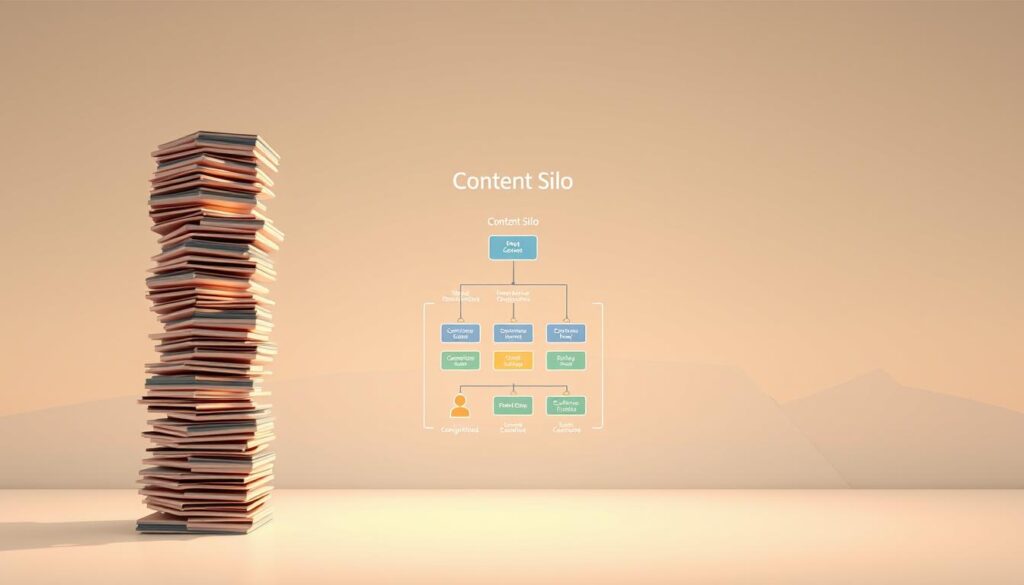
- Audit existing material: Identify gaps where new articles or product pages could deepen topic coverage.
- Align keywords: Use tools like SEMrush to discover high-value terms matching each cluster’s focus.
- Prioritize hierarchy: Design parent categories (e.g., “Outdoor Gear”) that branch into subtopics (“Camping Tents,” “Hiking Boots”).
A logical site structure benefits both users and search engines. Visitors find information faster, while crawlers index pages more efficiently. Linking related articles within silos—like connecting “Beginner Yoga Poses” to “Advanced Flexibility Routines”—keeps readers engaged and distributes ranking power.
Experts recommend quarterly audits to adapt silos as trends shift. One agency found clients updating their clusters saw 34% more organic traffic within six months. Flexibility ensures your strategy stays relevant without sacrificing organization.
Designing an Effective Silo Structure
Crafting a structure that satisfies both search algorithms and human visitors requires deliberate planning. The choice between virtual and physical organization methods impacts how crawlers interpret relationships between topics.
Virtual vs. Physical Silos
Virtual silos group pages through URL paths like /fitness/cardio/, signaling connections via directory patterns. Physical silos rely on navigation menus and footer links to guide users. Both methods strengthen topical authority but serve different purposes.
| Silo Type | Definition | Benefits | Best For |
|---|---|---|---|
| Virtual | URL-based categorization | Clear crawl paths for bots | Sites with deep content libraries |
| Physical | Menu-driven navigation | Enhanced user experience | Brands prioritizing engagement |
| Hybrid | Combines both approaches | Balances SEO and usability | E-commerce platforms |
Creating a Logical Hierarchy
Start with broad categories like “Outdoor Adventures,” then drill into sub-topics such as “Camping Gear” and “Hiking Safety.” Use breadcrumb navigation to help visitors track their journey. A cooking site might organize recipes by meal type > dietary need > cooking time.
Prioritize user-friendly labels over technical jargon. Sites implementing clear hierarchies see 22% higher traffic retention, according to a 2023 Search Engine Journal study. Regular audits ensure your structure adapts to new trends without losing clarity.
For detailed implementation steps, consult this comprehensive guide. Combining visual cues with backend organization creates seamless pathways that boost rankings and satisfaction.
Benefits of SEO Silos for Users and Search Engines
A well-structured website acts like a roadmap, guiding visitors effortlessly toward their goals. This clarity benefits both human users and algorithms, creating a symbiotic relationship between engagement and rankings.
Enhanced Navigation and User Experience
Imagine a cooking blog where dessert recipes sit beside grilling guides. Confusing, right? Siloed architecture groups related material, letting users dive deeper into topics without friction. One outdoor gear retailer saw 27% longer session durations after reorganizing products into activity-based categories.
Logical pathways reduce bounce rates by helping visitors discover relevant content. Breadcrumb navigation and contextual links act as signposts, encouraging exploration.
“Silos transform random pages into cohesive journeys,”
notes a leading UX designer.
Building Authority and Relevance
Search engines reward sites demonstrating expertise through organized clusters. A finance blog covering “retirement planning” across 15 interlinked articles signals deeper knowledge than scattered posts. This topical density helps pages rank for competitive keywords like “401(k) strategies.”
Marketing teams report 40% higher conversion rates when silos align with customer intent. An outdoor apparel brand increased organic traffic by 62% after grouping products by climate zones—a way to match user search patterns. Over time, these structures establish domains as go-to resources within niche markets.
Properly implemented silos create a ripple effect. Better navigation keeps visitors engaged, while search algorithms interpret organized content as quality signals. Together, these factors drive sustainable growth in competitive digital landscapes.
Best Practices for Building SEO Silos
Mastering silo architecture requires balancing technical precision with intuitive design. Like building interconnected highways, each decision impacts how search engines and visitors navigate your domain. Start by aligning your content silo best practices with user intent and algorithmic priorities.
Essential Do’s for Organized Content
Update existing articles quarterly to maintain relevance. A travel blog increased organic traffic by 41% after refreshing outdated hotel reviews within its “Europe Destinations” cluster. Conduct keyword research before expanding silos—tools like Ahrefs reveal gaps where new content can dominate subtopics.
Link related pages within silo groups using descriptive anchors. For example, connect “Winter Hiking Boots” to “Cold-Weather Layering Tips” using natural phrases like “essential gear for snowy trails.” This distributes authority while keeping visitors engaged.
Critical Don’ts to Avoid Structure Pitfalls
Never create orphan pages lacking internal connections. One tech site saw 19% lower rankings for product guides missing links to broader category hubs. Avoid rigid isolation—allow some crossover between adjacent themes, like connecting “Plant-Based Diets” to “Sustainable Cooking” in a nutrition blog.
Overloading menus with subcategories confuses users. Simplify navigation by limiting primary silos to 5-7 core topics. Brands adopting this approach report 33% faster page speeds and improved crawl efficiency.
Integrating Keyword Research with Silo Strategy
Strategic keyword placement transforms siloed architectures into traffic magnets. Begin by grouping search terms into topic clusters that mirror your website structure. For example, a legal services provider might combine “estate planning attorney” and “probate law” under an “Estate Law” hub.
Mapping Terms to Thematic Pathways
Tools like Google Keyword Planner reveal what users seek. Match high-intent phrases to existing related pages, then create new content to fill gaps. A home improvement site could link “energy-efficient windows” queries to installation guides and product comparisons.
| Keyword Type | Role in Silo | Example |
|---|---|---|
| Core Terms | Define primary categories | “Digital Marketing Services” |
| Supporting Phrases | Strengthen subtopic depth | “SEO Audit Checklist” |
| Long-Tail Queries | Capture niche intent | “Best CRM for Small Agencies” |
This alignment boosts benefits like 40% higher organic visibility, as seen in a case study from a home decor retailer. Their “Modern Lighting” silo combined 12 product pages with buyer guides targeting specific fixture types.
“Keywords are compasses guiding both crawlers and visitors through your expertise maze.”
Regularly prune irrelevant terms to maintain topic purity. A financial services firm increased conversions by 28% after removing mismatched keywords from retirement planning guides. Use internal links to reinforce connections between clustered related pages, creating self-sustaining relevance loops.
Implementing and Monitoring Your Silo Strategy
Continuous refinement separates thriving websites from stagnant ones. Tracking metrics reveals whether your architecture aligns with engine priorities and user navigation habits. Tools like Google Analytics and SEMrush spotlight trends, while heatmaps show how visitors interact with clustered information.
Tracking SEO Performance
Focus on three core metrics: organic traffic growth, bounce rate, and session duration. A 2024 case study showed an outdoor retailer increased time on page by 38% after reorganizing product guides into activity-based silos. Use Ahrefs to audit internal links, ensuring authority flows to priority pages.
| Tool | Purpose | Key Metric |
|---|---|---|
| Google Search Console | Track keyword rankings | Impression share |
| Screaming Frog | Analyze link structures | Broken links |
| Hotjar | Monitor user paths | Click-through rates |
Optimizing Internal Linking
Update connections quarterly based on performance data. A tech blog redirected 22% of internal links to underperforming articles, boosting their visibility by 15 positions. Prioritize links that:
- Guide users to deeper research materials
- Strengthen thematic clusters for engine crawlers
- Reduce exit rates on high-value pages
“Data-driven adjustments turn silos from static frameworks into growth engines.”
Combine crawl reports with behavioral analytics to identify weak points. Sites making monthly tweaks see 27% faster ranking improvements compared to annual overhauls. Remember: effective navigation adapts as search algorithms and user needs evolve.
Conclusion
Building a future-proof SEO strategy starts with structured organization. Grouping related pages into thematic clusters enhances crawl efficiency while establishing topical authority. This approach drives higher rankings through improved relevance signals and streamlined user journeys.
Effective silo designs rely on three pillars: logical hierarchies, strategic internal links, and keyword alignment. Sites adopting these principles often see faster indexing and longer session durations. A camping gear retailer, for example, boosted conversions by 22% after restructuring product categories by activity type.
Consistent monitoring ensures your architecture adapts to algorithm updates and shifting search trends. Tools like heatmaps and crawl reports reveal opportunities to refine navigation paths or update outdated material. Over time, these adjustments compound into sustained organic growth.
Ready to transform your web presence? Audit existing content clusters today. Prioritize clear relationships between pages, and watch as search engines reward your site’s newfound clarity with increased visibility and trust.
FAQ
What is the primary purpose of a content silo in SEO?
How do silos enhance user experience?
What’s the difference between virtual and physical silos?
Why is keyword research critical for silo success?
Can silos negatively impact website traffic if built incorrectly?
How often should internal links be optimized within a silo?
Do silos work for small websites with limited pages?
What metrics indicate a successful silo strategy?
About The Author
