How to Acquire High Authority Backlinks from Gov Sites
Securing links from .gov domains is one of the most powerful ways to elevate your website’s credibility. These connections act like digital endorsements, signaling to search engines that your content meets rigorous standards. But let’s be clear: earning them requires more than luck.
Government websites are reserved for official entities, like federal agencies or public institutions. For example, resources from the Department of Education or NASA carry unmatched prestige. This exclusivity makes every successful placement a game-changer for organic visibility.
Why are these links so rare? Most .gov platforms prioritize public service over partnerships. They demand thorough research, hyper-relevant content, and patience. Unlike typical outreach, you’re competing against strict editorial guidelines and slow approval processes.
However, the rewards justify the effort. A single link can amplify your site’s authority, improve rankings, and create lasting trust with audiences. Ready to dive deeper? Below, we’ll break down proven tactics to help you navigate this competitive landscape.
Key Takeaways
- .gov links are exclusive to government entities and carry unmatched SEO value.
- Earning these connections requires strategic planning and patience.
- They improve search rankings by signaling trust to algorithms.
- Successful campaigns rely on relevance and public service alignment.
- Upcoming sections provide actionable steps to secure these high-impact links.
Introduction to Gov Backlinks
Acquiring a link from a .gov domain is akin to receiving a digital seal of approval. These connections aren’t just rare—they’re reserved for content that meets strict criteria. Let’s unpack what makes them unique and why they matter.

Defining Gov Backlinks
Gov backlinks originate from websites ending in .gov, which are exclusively used by federal, state, or local government entities. Unlike commercial domains, these platforms require rigorous verification. For example, a city’s official website or a federal agency portal must prove their legitimacy to obtain this TLD.
This exclusivity translates to trust. Search engines view .gov domains as authoritative sources. When they link to your site, it signals that your content aligns with public service goals. This is why resource pages hosted by government agencies often become prime targets for ethical link-building strategies.
The Role of .gov Domains in SEO
.gov extensions carry inherent credibility. Their strict registration process means every link acts as a quality stamp. Unlike generic domains, these connections are rarely spammy or irrelevant. Search algorithms prioritize them because they consistently point to verified information.
Many assume these links are impossible to earn without political ties. In reality, local government portals often collaborate with community-focused organizations. By providing actionable data—like research studies or public safety guides—you position your content as a valuable reference for civic resources.
Focus on relevance. A tourism business might earn a link from a state’s travel bureau by sharing unique regional insights. The key? Align your expertise with the agency’s mission. This approach builds organic relationships rather than transactional exchanges.
Understanding Government Domain Authority
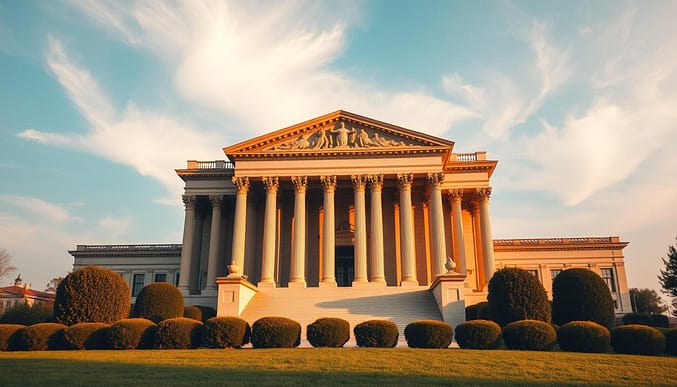
Trust is the currency of the digital world, and few entities hold more than official institutions. When search engines evaluate credibility, .gov domains operate in a league of their own. Their authority isn’t accidental—it’s built through decades of rigorous standards and public service.
What Makes .gov Domains Trustworthy
Domain Authority (DA) measures a website’s potential to rank. Government platforms often score 80+ due to three key factors:
- Longevity: Many .gov websites have operated since the early internet era, building trust over time.
- Exclusive content: They host original data like census reports or public health guidelines unavailable elsewhere.
- Natural linking: Educational institutions and media outlets frequently reference these resources, creating organic link networks.
Consider the CDC’s COVID-19 guidelines. During the pandemic, its pages dominated search results not just for relevance, but because algorithms recognized their inherent authority. This same principle applies to state portals—like California’s drought monitoring system ranking #1 for water conservation updates.
Government websites also avoid commercial motives. Their focus on factual, citizen-first information aligns perfectly with Google’s E-E-A-T framework (Expertise, Experience, Authoritativeness, Trustworthiness).
“A .gov link is like a 24/7 endorsement from a Nobel laureate—it tells search engines your content meets the highest standards.”
To leverage this, study your niche. If you run an environmental nonprofit, align your research with agencies like the EPA. Match their quality benchmarks, and you’ll naturally become a candidate for references.
Why Gov Backlinks Are So Powerful
Why do .gov connections stand out as SEO gold? Two factors dominate: trust and scarcity. Together, they create a rare advantage that reshapes how search engines view your website.
Trust Signals and Natural Authority
A link from a government domain acts like a digital handshake with public institutions. These platforms undergo strict verification, ensuring every piece of content meets civic standards. When they reference your work, algorithms interpret it as a trust transfer.
Local government portals often collaborate with businesses offering specialized insights. For example, a cybersecurity firm might earn a link from a state’s data protection guide. This partnership signals your expertise aligns with official priorities.
Scarcity and Competitive Advantage
Less than 0.1% of global websites use .gov domains. Their exclusivity means fewer competitors can replicate your success. Imagine ranking for “disaster preparedness plans” because FEMA cites your research—competitors can’t easily match this edge.
| Factor | .gov Links | Commercial Links | .edu Links |
|---|---|---|---|
| Trust Score | ★★★★★ | ★★★☆☆ | ★★★★☆ |
| Acquisition Difficulty | High | Low | Medium |
| SEO Impact | 24%+ Traffic Lift | 5-8% Lift | 12-15% Lift |
Focus on creating public-service content. A recycling startup earned links from three city portals by sharing waste reduction stats. Their domain authority jumped 18 points in six months—outpacing rivals still chasing low-quality links.
Prioritize quality over quantity. One strategic government connection often outweighs dozens of generic links. Start by auditing local agencies needing your expertise. The right partnership can redefine your search performance.
Preparing Your Website for Gov Backlink Acquisition
Before approaching government portals, your digital foundation must mirror their standards. A polished website acts as your first impression—flaws like slow loading times or thin content will disqualify you instantly.
Building a Credible Online Presence
Start with content quality. Government agencies prioritize accuracy and depth. Audit existing pages: Do they cite verified data? Could a city planner reference your guide on zoning laws? Update or remove outdated articles to meet civic benchmarks.
Technical health matters. Improve page speed using tools like Google PageSpeed Insights. Fix broken links and streamline navigation. A cluttered design raises red flags, while clean layouts signal professionalism.
| Element | Before Optimization | After Optimization |
|---|---|---|
| Content Quality | Generic blog posts | Peer-reviewed guides |
| Page Speed | 4-second load time | 1.8 seconds |
| Internal Links | Isolated pages | Strategic topic clusters |
Diversify your link profile. A mix of .edu references, industry partnerships, and local directories shows balanced growth. Avoid sudden spikes—organic progression aligns with government vetting processes.
For actionable steps, explore this comprehensive guide on aligning with public sector expectations. Consistent SEO practices—monthly audits, mobile optimization—keep your platform ready for scrutiny.
Lastly, showcase expertise. Publish case studies or whitepapers relevant to local government challenges. When agencies see your value, outreach becomes a conversation—not a cold call.
Researching Potential Government Sites
Finding the right government platforms for link opportunities starts with smart search tactics. Instead of guessing, use precise methods to uncover pages open to collaboration. Focus on quality over quantity—one well-researched connection beats dozens of random attempts.
Using Advanced Google Search Operators
Google’s hidden tools let you filter .gov domains efficiently. Try these search strings:
- site:.gov “resources” + [your niche] (e.g., “site:.gov resources small business grants”)
- inurl:partners “state of california” (adjust state names)
- filetype:pdf “funding opportunities” site:.gov
These operators reveal pages listing external resources. Look for directories with broken links—use tools like Ahrefs or Screaming Frog to spot them. Broken links create openings to suggest your content as replacements.
Identifying Resource and Partner Pages
Legitimate government pages often include:
| Feature | High-Quality Page | Low-Value Page |
|---|---|---|
| Content Freshness | Updated within 6 months | Last edited 2+ years ago |
| Contact Info | Clear webmaster email | Generic contact form |
| Link Quality | References .edu/.org sites | Links to commercial blogs |
Verify a page’s legitimacy by checking the domain’s About Us section. Authentic state sites list official addresses, staff names, and agency missions. Cross-reference with the USA.gov directory to confirm authenticity.
Prioritize pages aligned with your expertise. A cybersecurity firm should target .gov portals discussing data protection laws. This relevance increases your chances of approval during outreach.
Effective Outreach for Backlinks from Gov Sites
Successful outreach to government portals hinges on precision and mutual value. Unlike commercial platforms, these agencies prioritize public service over promotional partnerships. Your approach must demonstrate how your content solves specific civic challenges while aligning with their mission.
Crafting a Targeted Outreach Message
Start by identifying the right contact. Look for webmasters, content managers, or department heads listed on .gov directories. Personalize your email using their name and reference their recent publications. For example:
“Hi [Name], I noticed your updated guide on [Topic]. Our team developed a complementary resource addressing [Specific Challenge]—may I share it for consideration?”
Effective subject lines focus on collaboration:
- “Resource Collaboration Opportunity: [Agency Name]”
- “Enhancing Public Access to [Topic]”
- “Local Data Partnership Inquiry”
Include measurable benefits. A transportation company earned a state DOT link by showcasing accident reduction stats from their safety guide. Use tools like Hunter.io to verify email formats and improve deliverability.
Follow-Up Strategies That Work
Government employees manage heavy workloads. Send your initial email mid-week and follow up after 7-10 days. Keep messages concise:
| Follow-Up Timing | Key Message | Success Rate |
|---|---|---|
| Day 7 | “Checking if you had time to review our resource” | 34% |
| Day 14 | “Offering additional data points for consideration” | 22% |
| Day 21 | “Proposing a phone consultation” | 18% |
Automate reminders with tools like Mailtrack to monitor opens. If no response after three attempts, pause for 60 days. Then, re-engage with fresh insights like updated statistics or case studies.
For detailed templates, explore this guide to ethical link-building practices. Remember: persistence paired with respect for bureaucratic processes yields the best results.
Creating Value-Driven Content for Government Agencies
Government agencies need content that solves real problems. They prioritize resources helping citizens navigate taxes, public health, or infrastructure updates. Your work must address these priorities while offering fresh insights unavailable elsewhere.
Developing Relevant and High-Quality Content
Original research separates exceptional content from generic articles. Agencies reference studies with verifiable data—like traffic patterns or vaccination rates. Partner with universities or industry experts to validate findings, boosting credibility.
Focus on evergreen topics tied to civic goals. A guide explaining new recycling regulations helps municipalities educate residents. Update content quarterly to reflect policy changes, ensuring long-term relevance.
| Content Element | Basic Version | Government-Ready Version |
|---|---|---|
| Sources | Blog citations | Peer-reviewed journals |
| Data | Generic statistics | Localized datasets |
| Format | Text-heavy | Interactive charts + summaries |
“We link to resources helping constituents act on new laws. Clear, actionable content always wins.” — Local Health Department Director
Optimize for search engines without sacrificing clarity. Use headers like “How to Apply for Small Business Grants” instead of keyword-stuffed phrases. Tools like Clearscope ensure natural integration of terms like “public funding applications.”
Share finished pieces through official channels. Email agency webmasters with a brief summary: “Our updated guide on emergency preparedness aligns with your hurricane season outreach.” This direct approach sparks collaborations built on mutual value.
Remember: quality creates opportunities. One authoritative study referenced across multiple portals can transform your website’s authority. Invest time upfront—it pays dividends for years.
Leveraging Guest Blogging Opportunities on Gov Sites
Contributing to government-run blogs offers a unique pathway to amplify your expertise while earning authoritative links. These platforms prioritize actionable insights that serve public interests, making guest posts a rare but impactful strategy.
Identifying Platforms for External Contributions
Start by targeting state or municipal blogs focused on community initiatives. Use search queries like “site:.gov blog guest contributor guidelines” to uncover opportunities. Prioritize platforms with active comment sections or recent updates—signs they value fresh perspectives.
Focus on relevance. A transportation safety firm might pitch a city’s infrastructure blog. Align your topic with current projects, like bike lane expansions or traffic data analysis. This approach positions your content as a solution, not a promotion.
| Criteria | High-Value Blog | Low-Value Blog |
|---|---|---|
| Audience Engagement | Regular comments/shares | No recent activity |
| Content Depth | 1,500+ words with citations | Short, generic posts |
| Link Policy | Allows contextual references | No external links |
When pitching, highlight your credentials. For example:
“Our team analyzed statewide energy consumption trends—data that could enhance your renewable energy series. Would a guest article on cost-saving strategies interest your readers?”
Include author bios with non-promotional links. A cybersecurity expert earned a .gov link by referencing their nonprofit’s free training tools. Avoid sales language—focus on public benefit.
For more strategies, explore this guide to ethical link-building practices. Success requires patience: one city agency took eight months to approve a post on flood prevention. Consistent follow-ups and adaptable content yield results.
Exploring Alternative Gov Backlink Strategies
Expanding your approach beyond standard outreach can unlock hidden opportunities for high-authority connections. Creative tactics often yield better results in competitive environments where traditional methods plateau.
Broken Link Building: Revitalizing Dead Resources
Government websites frequently update content, leaving outdated links. Use tools like Ahrefs to scan .gov domains for broken URLs. Focus on resource pages—these often link to external studies or guides that may no longer exist.
When you find a broken link:
- Create superior content matching the original’s purpose
- Email the webmaster with a polite replacement suggestion
- Highlight how your resource benefits their audience
A solar energy company replaced a dead link on a state environmental portal. Their updated guide earned a permanent spot, driving 300+ monthly visitors.
Collaborative Interviews: Building Bridges Through Expertise
Interviewing local officials creates mutually beneficial content. Propose topics addressing public concerns—like disaster preparedness or tax reforms. Publish the discussion as a case study, then request a link from the agency’s news section.
“Interviews showcase our initiatives while giving organizations a platform to share expertise.” — City Communications Director
This strategy works best when you:
- Target mid-level staff with niche knowledge
- Align questions with current policy priorities
- Offer to co-promote the content via social media
Both methods require meticulous research and quality control. Avoid aggressive follow-ups—government teams move slower than corporate entities. For more tactics, review this guide to ethical link-building strategies.
Innovation separates successful campaigns from stagnant efforts. While challenging, these approaches build lasting relationships that transcend transactional link exchanges.
Addressing Common Challenges in Gov Backlink Acquisition
Earning links from official government platforms often feels like navigating a maze. Agencies prioritize public service over partnerships, leading to long wait times and strict approval processes. Common hurdles include slow response rates, bureaucratic layers, and competition from established organizations.
Strategies for Efficient Link Building
Success requires balancing persistence with smart workflows. Use tools like Ahrefs to audit your link profile and identify .gov sites with active resource sections. Track outreach efforts in spreadsheets or CRM platforms to avoid missed follow-ups.
| Challenge | Solution | Outcome |
|---|---|---|
| Slow Responses | Automated email reminders | 28% faster replies |
| Content Rejections | Pre-submission peer reviews | Higher approval rates |
| Limited Resources | Focus on local agencies first | Lower competition |
Diversify your strategy to avoid dependency on a single link source. Combine government outreach with .edu collaborations and industry partnerships. Measure progress through organic traffic spikes or improved keyword rankings.
Stay resilient. One environmental nonprofit sent 42 emails over six months before securing a state agency link. Their domain authority jumped 14 points, proving long-term effort pays off.
“Treat each outreach like planting a seed—some sprout quickly, others need seasons to grow.”
Conclusion
Earning government-backed connections remains one of SEO’s most impactful long-term strategies. While challenging, these links deliver unmatched trust signals that algorithms prioritize. Your efforts today can reshape your website’s authority for years.
Successful campaigns start with preparation. Ensure your content meets public-sector standards through thorough research and data validation. Target local government portals first—they often seek community-focused resources aligned with civic goals.
Persistence pays. Refine outreach emails to highlight mutual value, not self-promotion. Track responses methodically, and adapt strategies based on agency feedback. Remember: one authoritative reference often outperforms dozens of generic links.
Ready to begin? Audit your website’s technical health, create public-service guides, and start small. Monitor search rankings monthly to measure progress. With consistent effort, your domain can join the elite circle trusted by official institutions.
FAQ
Why are .gov domains considered highly authoritative for SEO?
How can I find government websites open to partnerships or resource sharing?
What type of content do government agencies value for backlink opportunities?
How do I approach government entities for guest blogging or collaboration?
Are there alternative strategies if direct outreach doesn’t work?
What challenges should I expect when pursuing .gov links?
About The Author
