How to Analyze Keyword Trends: A Complete Guide
Understanding search patterns is critical for creating content that connects with audiences. Tracking shifts in user behavior helps businesses align their strategies with real-time demands. Platforms like HubSpot highlight how keyword research fuels inbound marketing by revealing what audiences actively seek.
Search engines constantly evolve, and so do the terms people use. Tools such as Semrush and Google Keyword Planner show how data-driven insights help professionals adapt to these changes. Balancing popular phrases with niche terms ensures content reaches the right audience without drowning in competition.
Effective strategies combine high-volume queries with long-tail opportunities. This approach maximizes visibility while targeting specific needs. Quantitative metrics from search engines guide decisions, ensuring every piece of content serves a purpose.
Key Takeaways
- Keyword trends reveal audience intent and shape successful SEO strategies.
- Inbound marketing relies on aligning content with real-time search behavior.
- Modern tools track evolving patterns to keep strategies relevant.
- Mixing broad and niche terms optimizes reach and engagement.
- Data from platforms like Semrush ensures precision in content planning.
Introduction to Keyword Trend Analysis
Search behavior acts as a compass for modern digital strategies. By tracking popular terms over time, marketers uncover patterns that shape content creation. This process, called trend analysis, connects business goals with what audiences actively seek.

Why Keyword Trends Matter in SEO
High search volume signals demand, but relevance comes from intent. For example, “best running shoes” and “affordable running shoes” target different needs. Platforms like SEMrush show monthly query counts, while keyword analysis methods reveal deeper audience motivations.
The Role of Search Intent and Audience Needs
Google Trends highlights seasonal spikes in specific topics, like “home workouts” during winter. Marketing teams use this data to align articles with emerging interests. A fitness brand might create winter workout guides, boosting organic traffic by 40% within months.
| Tool | Key Feature | Use Case |
|---|---|---|
| SEMrush | Volume tracking | Identifying high-demand terms |
| Google Trends | Interest over time | Spotting seasonal patterns |
| Ahrefs | Traffic potential | Evaluating content opportunities |
Matching content to search intent ensures pages answer real questions. When user needs shift—like preferring video tutorials over text guides—adapting quickly maintains engagement. This balance between data and creativity drives sustainable growth.
Understanding Keyword Metrics and Research Elements
Metrics form the backbone of effective SEO strategies. Three core elements—search volume, relevance, and authority—determine whether content resonates with audiences. Platforms like Semrush measure these factors through concrete data points, helping marketers prioritize high-intent searches.
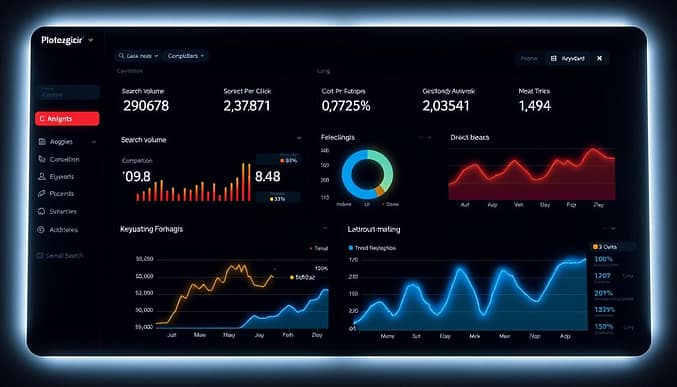
Search Volume, Relevance, and Authority
Search volume indicates demand, but relevance filters noise. For example, Semrush’s Keyword Difficulty Score combines domain authority requirements with monthly searches. A term like “organic skincare” might show 15K searches but require a domain rating above 60 to rank.
Evaluating Keyword Difficulty and CPC
Ahrefs’ Keyword Difficulty metric scores phrases from 0-100 based on backlink profiles needed. High scores often correlate with expensive CPC rates. The table below compares key metrics across platforms:
| Metric | Ahrefs | Semrush |
|---|---|---|
| Search Volume | 12-month average | Real-time estimates |
| Difficulty Score | 0-100 scale | 0-100 scale |
| CPC Data | Advertiser bids | Competition levels |
| SERP Impact | Traffic potential | Position changes |
One fitness brand increased conversions by 22% after switching focus to mid-difficulty terms (40-60 range). Continuous monitoring allows time-sensitive adjustments. As search algorithms evolve, balancing ranking potential with traffic estimates keeps strategies competitive.
Essential Tools and Techniques for Keyword Research
Mastering keyword research requires leveraging the right tools to uncover actionable insights. Platforms like SEMrush and Google Keyword Planner transform raw data into strategic roadmaps, helping marketers identify high-value opportunities. Choosing the best resources depends on balancing depth, accuracy, and ease of use.
Popular SEO Tools
SEMrush stands out with its Keyword Magic Tool, offering over 20 billion phrase variations. For example, searching “yoga mats” reveals long-tail terms like “non-slip yoga mats for hardwood floors.” Ubersuggest simplifies content gap analysis, while KeywordTool.io generates autocomplete suggestions from multiple search engines.
| Tool | Unique Feature | Best For |
|---|---|---|
| SEMrush | Competitor keyword tracking | Comprehensive campaigns |
| Ubersuggest | Content ideas generator | Small budgets |
| KeywordTool.io | Platform-specific suggestions | Niche audiences |
Google’s Free Solutions
Google Keyword Planner remains a staple for ad-based keyword data. It estimates monthly search volume and competition levels. Meanwhile, Google Trends visualizes rising phrases—like “sustainable activewear” spiking 180% in 2023. These tools excel at showing regional popularity shifts.
Combining paid and free resources creates a layered approach. One e-commerce brand boosted organic traffic by 35% after using SEMrush for competitor analysis and Google Trends for seasonal adjustments. As one marketer noted, “Data is only valuable when paired with context.”
How to Analyze Keyword Trends
Effective trend analysis starts with structured data collection. Export monthly search volume reports from platforms like Semrush Keyword Manager. Compare these figures with historical patterns to spot upward or downward trajectories.
Step-by-Step Process for Trend Analysis
- Identify core search terms using filters like location and device type
- Plot monthly search volume fluctuations in spreadsheet software
- Cross-reference keyword difficulty scores against competitor rankings
- Flag terms with rising demand and manageable competition thresholds
Semrush’s Position Tracking tool reveals how rivals perform for target phrases. Ahrefs’ Traffic Potential metric estimates organic visits if you rank in the top 3. This dual analysis helps prioritize terms with high conversion potential.
Interpreting Trend Charts and User Behavior
| Platform | Chart Type | Key Insight |
|---|---|---|
| Semrush | Volume Trends | Seasonal spikes/drops |
| Google Trends | Interest Timeline | Regional demand shifts |
| Ahrefs | Traffic Graph | Content gap opportunities |
Notice clusters of related search terms in reports. For example, “vegan protein powder benefits” often appears near “plant-based muscle recovery.” These patterns signal content series opportunities rather than single blog posts.
Set weekly alerts for significant metric changes. One outdoor gear brand increased referral traffic by 28% by adjusting content within 48 hours of trend shifts. Merging real-time data with editorial calendars turns insights into measurable outcomes.
Incorporating Data from Multiple Keyword Research Sources
Diversifying data sources sharpens SEO strategies by revealing patterns single tools might miss. Leading marketers combine platforms like Semrush and HubSpot’s keyword research framework to cross-validate metrics. This approach minimizes blind spots and uncovers hidden opportunities.
Cross-Platform Insights in Action
HubSpot’s 2023 case study shows how blending Semrush’s search volume data with their own CRM analytics boosted conversions by 18%. They identified “eco-friendly packaging” as a high-search term (12K queries per month) with rising intent. By aligning blog posts and product pages with this phrase, organic traffic grew 27% in six months.
Metrics Alignment for Strategic Clarity
Semrush and HubSpot often report varying CPC rates for identical terms. For example:
| Keyword | Semrush CPC | HubSpot CPC |
|---|---|---|
| CRM software | $4.80 | $5.20 |
| Email marketing tools | $3.10 | $2.85 |
Analyzing these differences helps set realistic PPC budgets. Featured snippets further validate choices—phrases appearing in position zero often correlate with strong search intent signals across platforms.
Three steps ensure cohesive analysis:
- Export monthly search data from multiple tools
- Flag terms with consistent high-search volume and low difficulty
- Test top candidates through targeted content updates
One SaaS company increased featured snippet captures by 41% using this method. Integrated data turns fragmented insights into actionable roadmaps.
Utilizing Trending Data: Search Intent, SERP Features, and Audience Signals
Modern search results pages are no longer just lists of links. They’re dynamic ecosystems packed with interactive elements that shape user decisions. Platforms like Google now prioritize direct answers and visual formats, making SERP features critical for visibility.
Understanding SERP Features and Featured Snippets
Featured snippets dominate page one, capturing 35% of clicks according to Semrush data. These answer boxes satisfy immediate queries like “best wireless headphones 2024,” reducing the need to click through. Local packs and “People Also Ask” sections further fragment traffic opportunities.
| SERP Feature | Traffic Impact | Optimization Tip |
|---|---|---|
| Featured Snippet | High CTR | Use concise 40-60 word answers |
| Local Pack | Geo-targeted | Optimize Google Business Profile |
| Video Carousel | Visual engagement | Add timestamps to YouTube videos |
Aligning Content with User Intent and Emerging Trends
When monthly searches for “plant-based protein” surged 62% in Q1 2024, nutrition brands quickly created comparison guides and recipe videos. Tools like AnswerThePublic reveal related questions, allowing marketers to address unspoken needs before competitors.
Real-time adjustments matter. A home decor retailer tracked rising “biophilic design” queries using Google Trends. By updating existing articles with new product links, they boosted conversions by 19% in eight weeks. As one strategist noted, “Speed separates leaders from followers in search rankings.”
Blending SERP insights with audience signals creates a feedback loop. Monitor trending forum discussions on Reddit, then validate with search volume spikes. This dual approach ensures content remains both relevant and discoverable.
Advanced Techniques and Best Practices in Keyword Analysis
Staying ahead in SEO requires evolving beyond basic tools. Savvy marketers now blend social listening with competitor intelligence to spot opportunities before they peak. This approach turns raw data into actionable strategies that withstand algorithm shifts.
Spotting Trends Through Social Conversations
Reddit threads and Twitter hashtags often reveal search intent months before queries spike. A 2024 case study showed brands using Reddit Keyword Research Tool identified “biodegradable phone cases” 11 weeks before Google Trends registered interest. Early adopters saw 58% more traffic than latecomers.
Competitor Gaps as Growth Levers
SEMrush’s Keyword Gap Analysis uncovers terms rivals rank for but your site misses. One outdoor apparel brand found 72 high-intent phrases in competitor meta descriptions. Targeting these boosted organic visibility by 33% in 90 days.
| Metric | Your Site | Top Competitor |
|---|---|---|
| Avg. Position | 8.2 | 4.7 |
| Unmatched Keywords | 112 | 29 |
| Content Depth Score | 64/100 | 82/100 |
Seasonal Strategy Optimization
Google Trends data helps map content calendars to predictable spikes. A tax software company schedules “estimated payments guide” blogs in March, aligning with 83% of annual searches. They refresh these posts yearly, maintaining 92% retention of top rankings.
Three steps merge real-time signals with long-term planning:
- Monitor niche forums for emerging terminology
- Update evergreen content with fresh SERP features every 6 months
- Use AnswerThePublic to anticipate question-based queries
Platforms like HubSpot reveal 47% of featured snippets change annually. Tracking these shifts helps maintain visibility. For deeper insights, explore advanced keyword research techniques that balance immediacy with sustainability.
Conclusion
Navigating the digital landscape demands agility in balancing data insights with audience needs. Successful strategies merge real-time trend tracking and competitive metrics to prioritize high-impact opportunities. Platforms like SEMrush and Google Trends reveal patterns that shape content relevance while managing difficulty thresholds.
Focus on blending short-term wins—like optimizing for rising SERP features—with sustainable plans. Quarterly audits of search volume fluctuations and competitor gaps maintain momentum. For instance, targeting phrases with moderate difficulty scores often yields faster rankings than chasing saturated terms.
Prioritize tools offering cross-platform validation to minimize blind spots. Weekly alerts for sudden interest spikes let teams capitalize on trends before competitors. Simultaneously, evergreen content updates ensure lasting visibility for core topics.
Growth hinges on adapting to shifting behaviors while maintaining strategic consistency. Set measurable goals, test emerging formats like video carousels, and refine approaches quarterly. The intersection of curiosity and data mastery drives enduring success in search landscapes.
FAQ
What tools help track keyword trends effectively?
How does search intent impact keyword strategy?
Why combine search volume with keyword difficulty?
How do SERP features affect keyword targeting?
Can social media reveal emerging keyword trends?
When should I update my content calendar for trends?
What role does CPC play in keyword analysis?
How do featured snippets influence keyword research?
Why analyze competitor keywords in trend research?
About The Author
