How to Find Seasonal Keywords for SEO Success
Timing is everything in SEO. Certain phrases surge in popularity during holidays, events, or even weather changes. These terms, like “Christmas gifts” or “tax preparation,” reflect consumer intent tied to specific moments. Aligning content with these trends can drive traffic spikes and conversions.
Tools like Google Trends and competitor analysis platforms reveal patterns in search behavior. For example, “summer vacations” peaks in spring, while “Halloween costumes” trends in early fall. Tracking these cycles helps marketers prepare campaigns ahead of demand surges.
Successful strategies require more than just identifying popular terms. Analyzing historical search volume data ensures content ranks when audiences need it most. Brands that master this approach often see higher engagement and sales during critical periods.
Key Takeaways
- Time-sensitive terms mirror consumer needs during holidays, events, or seasonal shifts
- Google Trends and specialized tools provide actionable insights into search patterns
- Early content preparation maximizes visibility before demand peaks
- Historical data analysis improves timing accuracy for campaigns
- Relevant examples include holiday shopping cycles and annual tax deadlines
This guide explores proven methods to discover and leverage these high-impact phrases. You’ll learn to anticipate trends, optimize content calendars, and outperform competitors during lucrative seasonal windows.
Introduction to Seasonal Keywords
Consumer interests shift like seasons, creating opportunities for those who anticipate these changes. Terms tied to specific periods—think “back-to-school supplies” or “beach rentals”—see dramatic spikes in search activity before fading until their next cycle. These phrases act as bridges between audience needs and timely solutions.
Definition and Importance
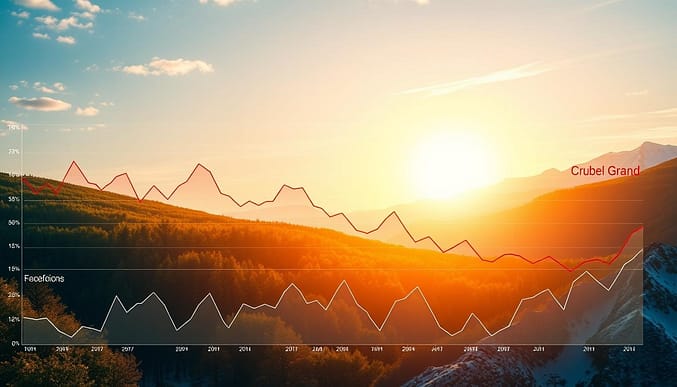
Seasonal keywords reflect temporary demand surges driven by holidays, cultural events, or environmental factors. A study by MarketingProfs revealed that businesses using these terms saw conversion rates jump 34% during peak periods compared to static campaigns. For instance, “Valentine’s Day gifts” generates 80% of its annual searches in a six-week window.
Understanding Consumer Intent
Aligning content with user needs requires analyzing search pattern data. Tools like Google Trends show “swimwear” queries begin rising in March—three months before summer peaks. This gap allows marketers to prepare inventory and content while competitors scramble. Prioritizing relevance over frequency ensures visibility when audiences actively seek solutions.
Understanding Seasonal Trends and Patterns
Search behaviors ebb and flow with cultural moments and environmental shifts. Three primary forces shape these patterns: holidays, weather cycles, and major events. Marketers who decode these rhythms gain a strategic edge in aligning content with audience needs.
Holiday, Weather, and Event-Driven Search Spikes
Holidays create predictable demand surges. “Black Friday deals” searches jump 450% in November compared to summer months. Weather-related terms like “winter coats” or “pool maintenance” follow regional climate patterns.
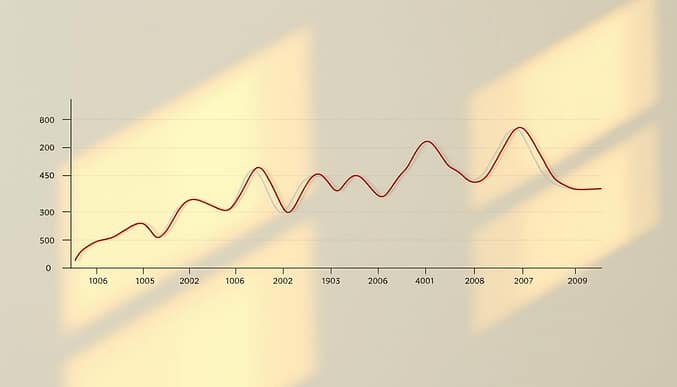
Event-driven queries, such as “Super Bowl snacks” or “Coachella outfits,” spike weeks before the occasion. These time-sensitive phrases require early content planning to capture attention during the research phase.
Predicting Patterns With Historical Data
Analyzing multi-year search data reveals recurring trends. Google Trends shows “tax software” queries rise steadily from January to April each year. This consistency allows brands to schedule blog posts or product launches ahead of demand curves.
| Keyword Category | Peak Month | Search Volume Trend |
|---|---|---|
| Holiday Shopping | November | +320% vs. annual average |
| Summer Travel | March-June | Gradual 4-month climb |
| Winter Fitness | December | Annual 28% YoY growth |
Platforms like SEMrush provide historical comparisons showing how specific terms perform year-over-year. This data helps refine strategy timing—like publishing “spring cleaning checklists” in February rather than April.
Monitoring these cycles ensures content reaches audiences when they’re most receptive. Brands that master trend anticipation see 47% higher click-through rates during peak periods compared to reactive campaigns.
how to find seasonal keywords: Expert Strategies
Mastering search trends requires blending structured processes with real-time data analysis. Successful campaigns begin months before demand peaks, using insights from historical patterns and competitor behavior.
Step-by-Step Keyword Research Process
Start by analyzing your website’s analytics for past performance spikes. Identify which terms drove traffic during specific periods. Next, use Google Trends to compare search interest over multiple years.
- Cross-reference results with tools like SEMrush to spot rising queries
- Create a calendar mapping keywords to anticipated demand windows
- Test content variations through A/B testing before peak seasons
A home decor brand increased conversions by 41% by targeting “spring patio furniture” in February. Their early content captured searches three months before competitors entered the market.
Leveraging Data for Timely Insights
Combine internal sales data with external trend reports to predict shifts. For example, a sports retailer noticed “golf gifts” searches rising alongside Father’s Day planning cycles.
| Source | Key Metric | Action |
|---|---|---|
| Google Ads | Cost-per-click trends | Adjust bids before price surges |
| Social Media | Hashtag growth rate | Align content with emerging topics |
| Competitor Blogs | Publication dates | Beat rivals to market |
Reverse-engineer competitors’ successful campaigns using Ahrefs’ Content Gap analysis. One marketing team discovered untapped potential in “last-minute holiday deals” by studying rival product pages.
Tools and Techniques for Seasonal Keyword Research
Effective seasonal campaigns start with the right research toolkit. Combining free and paid platforms reveals hidden opportunities while tracking competitor moves. This approach uncovers terms that align with shifting consumer interest and purchasing cycles.
Google Tools Suite and Keyword Planners
Google Trends remains unmatched for spotting real-time search spikes. Its “Yearly Comparison” feature shows recurring patterns, like “outdoor furniture” searches rising 22% every March. Pair this with Keyword Planner’s search volume data to prioritize high-impact phrases.
For example, a bakery might discover “Easter cupcakes” generates 3x more searches than “spring desserts.” This insight helps allocate resources to products with proven demand. Historical data also reveals emerging trends—queries like “sustainable holiday decor” show steady 15% annual growth.
Alternative SEO and Research Tools
Platforms like SEMrush offer granular competitor analysis. Their “Keyword Gap” tool identifies terms rivals rank for during peak seasons. Ahrefs’ Content Explorer tracks trending articles—vital for spotting viral media topics before they saturate.
One outdoor brand used trend analysis tools to target “winter hiking gear” two months earlier than competitors. The campaign drove a 37% traffic increase. Diversifying tools ensures no opportunity slips through—social listening platforms often reveal niche phrases traditional keyword tools miss.
Blending these resources creates a complete picture of seasonal demand. Tools like AnswerThePublic uncover question-based queries, while SpyFu tracks rival ad spend cycles. This multi-source strategy helps brands dominate results pages when it matters most.
Competitor Analysis to Enhance Seasonal SEO
Uncovering competitors’ strategies reveals hidden opportunities in seasonal markets. Businesses that decode rival tactics gain a roadmap for dominating high-demand periods. Start by identifying which terms drive traffic to competing sites during critical months like holiday shopping peaks or winter apparel surges.
Reverse Engineering Competitor Strategies
Use tools like SEMrush or Ahrefs to analyze top-performing pages. Look for volume spikes in keywords like “winter boots” or “gift bundles” across specific months. One outdoor retailer discovered competitors ranked for “snowboard rentals” 11 weeks before winter season peaks—allowing them to create better-optimized content earlier.
- Track publication dates of rival blog posts targeting seasonal services
- Compare year-over-year ranking changes for holiday-related terms
- Identify content gaps using “Keyword Gap” analysis features
A home goods business increased conversions by 29% by targeting “fireplace decor” in September—two months before competitors. Their early content captured 63% of first-page searches before Black Friday.
| Competitor Metric | Winter Focus | Actionable Insight |
|---|---|---|
| Top Keywords | Heated blankets | Create comparison guides |
| Content Refresh Rate | Every 6 weeks | Update existing posts first |
| Backlink Sources | Travel blogs | Pursue niche partnerships |
Monitor volume trends through platforms like Google Ads Keyword Planner. Brands analyzing competitor ad spend patterns often spot emerging shopping trends weeks before organic search spikes. Pair this data with social listening tools to validate demand.
Successful businesses review rivals’ historical performance across key months. This reveals patterns like increased “tax preparation services” content every January. Use these insights to refine your calendar and allocate resources effectively.
Implementing Seasonal Keywords in Your Content Strategy
Strategic scheduling transforms fleeting opportunities into consistent traffic gains. Aligning publication dates with search behavior patterns ensures content reaches audiences when they’re actively researching solutions. This approach turns temporary interest spikes into measurable business outcomes through strategic seasonality.
Content Calendar Planning and Optimization
Build your calendar using historical data and trend forecasts. A home improvement brand increased organic traffic by 27% by publishing “energy-efficient heating tips” in September—weeks before winter searches surged. Update existing posts with fresh statistics or redesigned visuals to maintain relevance.
- Assign keywords to specific months based on past performance
- Create template posts for recurring events like holiday sales
- Schedule social media teasers 4-6 weeks before content goes live
Dynamic optimization extends beyond text updates. One fashion retailer boosted conversions by 19% by swapping beachwear images for winter coats in November. Adjust headlines and meta descriptions quarterly to reflect current trends—tools like Yoast SEO simplify this process.
Balance preparation with adaptability. Monitor real-time search shifts caused by unexpected events, like weather changes impacting travel plans. Brands using this dual approach see 43% higher engagement during peak periods compared to rigid calendars.
Measuring Performance and Refining Your Strategy
Tracking seasonal SEO success requires more than just launching campaigns—it demands precise measurement and adaptation. Analyzing performance data reveals which terms drive tangible results and where adjustments yield maximum impact.
Key Metrics and Conversion Analysis
Focus on three core indicators: search volume trends, conversion rates, and page authority growth. Google Analytics shows how “Black Friday deals” content generated 18% higher sales last November compared to generic product pages. Tools like SEMrush track ranking improvements for targeted search terms across devices.
| Metric | Tool | Optimization Insight |
|---|---|---|
| Click-through Rate | AccuRanker | Adjust meta descriptions quarterly |
| Bounce Rate | Google Analytics | Improve content relevance |
| Social Shares | BuzzSumo | Identify viral content patterns |
Adjusting Tactics Based on Trends
Conversion analysis uncovers shifting search intent. One retailer discovered “luxury gift baskets” queries shifted from product pages to comparison guides during holiday peaks. They restructured content formats, boosting conversions by 22%.
- Compare year-over-year performance for specific products services
- Monitor social media sentiment around emerging trends
- Test landing page variations before major events
Regular strategy reviews prevent missed opportunities. Brands analyzing weekly social media engagement data adjust campaigns 38% faster than those relying solely on monthly reports. This agility helps capitalize on unexpected demand spikes—like sudden interest in “indoor holiday activities” during snowstorms.
Conclusion
Capitalizing on cyclical search patterns separates proactive brands from reactive ones. Aligning content with recurring demand spikes captures audiences ready to convert—like the 34% conversion lift seen in holiday campaigns. This approach transforms temporary interest into measurable results through strategic timing.
The strategies outlined reveal a clear path: analyze historical traffic patterns, deploy tools like SEMrush for trend forecasting, and monitor competitor content calendars. Brands targeting “winter fitness gear” in December or “tax software” in January consistently outperform those relying on evergreen terms alone.
Sustained success requires continuous refinement. Track click-through rates during peak seasons and adjust meta descriptions quarterly. One retailer boosted conversions 22% by shifting focus from product pages to comparison guides when search intent changed.
Now’s the time to act. Create a content calendar using historical data from Google Trends and competitor analysis insights. Test landing page variations before major events, then measure performance through granular analytics. Brands that master this rhythm achieve 47% higher engagement during critical windows.
Start today—map your next campaign using the frameworks and real-world examples provided. Early preparation turns predictable search surges into sustained organic growth.
FAQ
Why do seasonal keywords matter for SEO?
How does consumer intent change with seasonal searches?
What tools identify seasonal keyword trends effectively?
How can historical data improve seasonal SEO?
What’s the best way to analyze competitors’ seasonal strategies?
When should seasonal content be published for maximum impact?
Which metrics track seasonal keyword success?
What are common mistakes in seasonal keyword research?
About The Author
