How to Use Internal Linking for Link Equity: Best Practices
Connections between pages on your website do more than help visitors navigate. These pathways, known as internal links, play a critical role in how search engines evaluate and rank your content. By directing both users and crawlers to relevant resources, they strengthen your site’s architecture and distribute authority efficiently.
High-authority pages act as hubs, sharing their credibility with newer or less visible content through strategic anchor text. For example, linking the phrase “SEO tips” to a guide on optimization passes relevance signals to search engines. This process improves crawlability, ensuring bots index pages faster and more effectively.
A well-planned structure also enhances user experience. Visitors stay engaged longer when they find related articles, tools, or guides easily. Sites like Wikipedia excel at this, using contextual connections to keep readers exploring topics deeply.
Key Takeaways
- Internal links guide users and search engines through your website’s content.
- They help distribute authority from high-ranking pages to newer ones.
- Anchor text should be descriptive and contextually relevant.
- Proper linking improves crawlability and indexing speed.
- Balancing user experience and SEO boosts overall site performance.
Understanding Internal Linking and Link Equity
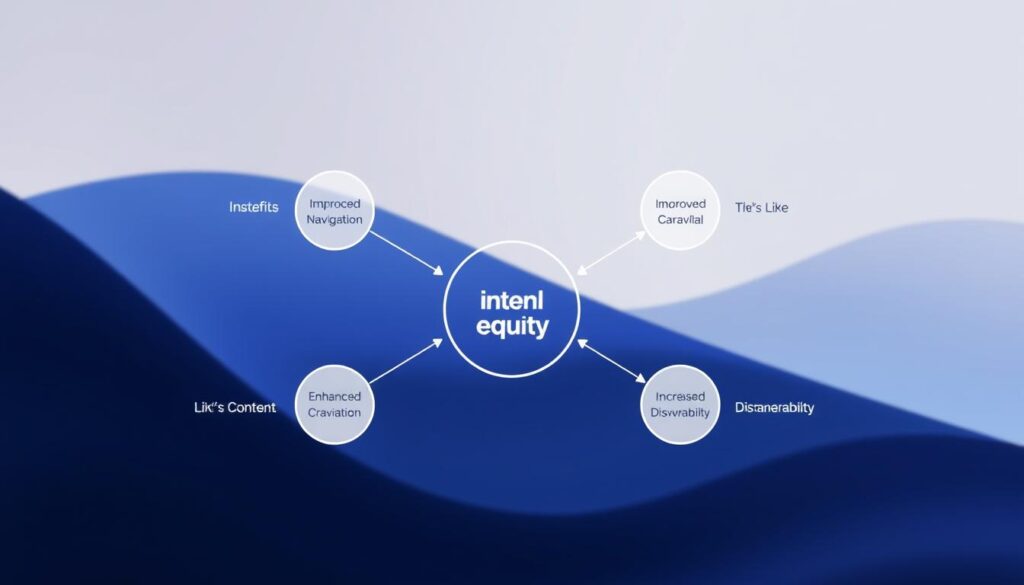
Websites thrive when content is interconnected through purposeful design. This network of connections, powered by search engine-friendly practices, creates pathways that serve both human visitors and algorithms. Strategic placement strengthens your pages website architecture while distributing value across your domain.
Definition and Purpose
Internal linking refers to hyperlinks connecting different pages within the same domain. Its primary purpose is establishing logical relationships between content. Link equity describes how authoritative pages pass link credibility to others, much like a recommendation system.
Benefits for Users and Search Engines
Visitors benefit from intuitive navigation that reduces frustration. Well-placed suggestions keep them engaged longer, exploring topics through natural progressions. For search engines, these connections reveal content hierarchy and priority. Bots crawl efficiently when they encounter clear pathways between high-value resources.
| User Advantages | Search Engine Advantages |
|---|---|
| Faster access to related content | Improved page discovery during crawling |
| Longer session durations | Better understanding of content hierarchy |
| Reduced bounce rates | Efficient authority distribution |
This dual functionality makes structured linking essential for modern web strategies. When executed properly, it becomes a silent workhorse driving both technical performance and audience satisfaction.
The Role of Internal Linking in Boosting SEO
Pathways within a website act as dual-purpose tools, guiding visitors toward meaningful interactions while signaling content value to algorithms. Unlike external links, which direct users outside your domain, well-structured connections between pages site resources keep audiences engaged and crawlers informed.

User Navigation and Engagement
Clear directional cues help visitors discover related articles or tools effortlessly. When a blog post links to a product guide or case study, it transforms a single visit into an exploratory journey. Sites with intuitive pathways often see longer session durations and fewer exits from the one page.
Reduced bounce rates signal to search engines that content meets user needs. For example, an e-commerce site connecting product descriptions to sizing charts keeps shoppers engaged. This seamless experience builds trust and encourages repeat visits.
Enhancing Crawlability with Strategic Links
Search engine bots rely on connections to index content efficiently. Deep pages—like seasonal promotions or archived blogs—gain visibility when linked from high-traffic areas. A 2023 study found websites with structured pages site networks saw 40% faster indexing of new content.
While external links boost domain authority, internal pathways ensure crawlers prioritize key pages. For instance, linking service pages to testimonials strengthens topical relevance without relying solely on third-party endorsements.
| Internal Links | External Links |
|---|---|
| Improve site-wide navigation | Build domain authority |
| Control crawl budget allocation | Drive referral traffic |
| Strengthen content clusters | Enhance off-page SEO |
Balancing both strategies creates a robust framework. Prioritizing connections within your one page ecosystem ensures visitors and bots consistently find value in your content architecture.
How to Use Internal Linking for Link Equity
Authority flows through a website like currency, strengthening pages that need visibility. Strategic connections between content allow this value to spread organically. By channeling credibility from established resources to newer ones, sites create a self-sustaining ecosystem.
Introduction to Link Equity Distribution
High-performing pages act as power sources. When authoritative pages share their strength through anchor text strategies, they boost underperforming content. For example, a popular blog post about email marketing might links pass authority to a lesser-known guide on segmentation tactics.
Prioritize pages with strong backlink profiles or high organic traffic. Tools like Google Analytics help identify these hubs. Linking them to relevant but low-ranking content creates a ripple effect, improving rankings across the website.
Real-World Examples of Effective Practices
An e-commerce site increased sales by 22% after connecting product pages to detailed buying guides. They used descriptive phrases like “best materials for durability” as contextual links. This directed both users and crawlers to complementary resources.
Another case saw a tech blog improve its keyword rankings by 35%. They linked new articles to pillar content using variations of “cloud security protocols.” This approach reinforced topical relevance while distributing link equity efficiently.
Crafting a Logical Site Structure
A website’s architecture shapes its success, much like a blueprint determines a building’s stability. Organizing pages into clear tiers ensures both visitors and algorithms navigate your content effortlessly. This hierarchy becomes the backbone for distributing authority across your domain.
Developing a Hierarchical Content Pyramid
Start with broad categories at the top. Your homepage acts as the foundation, connecting to pillar pages covering core topics. These hub resources then branch into detailed subtopics. For example, a cooking site might structure:
- Homepage → “Baking Guides” pillar page → “Sourdough Techniques” article
- Pillar page → “Gluten-Free Recipes” cluster → Individual recipe pages
This pyramid approach helps search engines understand content relationships. Bots prioritize crawling high-level pages first, then drill down into specifics. Users benefit from intuitive paths that answer questions progressively.
| Level | Content Type | Linking Role |
|---|---|---|
| Top | Homepage | Authority distributor |
| Middle | Pillar pages | Topic hubs |
| Base | Supporting content | Detail providers |
Audit existing structures by mapping connections between pages. Tools like Screaming Frog reveal gaps where content sits isolated. Strengthen weak tiers by adding contextual links from higher-level resources. This creates a self-reinforcing system where value flows naturally through your site’s framework.
Pillar Pages and Topic Clusters
Successful websites organize information like libraries—with main reference sections and specialized subcategories. Pillar pages act as central hubs covering broad subjects, while topic clusters dive into specific angles. This structure creates a knowledge network that search engines value.
Identifying Your Pillar Pages
Start by analyzing your top-performing content. Look for pages ranking for competitive keywords or generating consistent traffic. Tools like Google Search Console reveal which resources answer “what is” or “ultimate guide” queries effectively.
Prioritize evergreen text that remains relevant over time. For example, a cybersecurity company might choose “Data Protection Strategies” as a pillar page. This becomes the foundation for subtopics like encryption methods or compliance checklists.
Building Supporting Topic Clusters
Develop 8-12 cluster articles around each pillar. A cooking site could create recipes, technique tutorials, and equipment reviews linked to a “Modern Baking Essentials” hub. Use linking strategies that connect both directions—pillars to clusters and vice versa.
| Pillar Page Elements | Cluster Content Features |
|---|---|
| 3,000+ words | 800-1,200 words |
| Broad topic coverage | Narrow focus |
| Links to 10+ clusters | Links back to pillar |
This approach boosts SEO by establishing topical authority. Sites using clustered content see 45% more organic traffic than those with disconnected articles, according to HubSpot research.
Selecting and Optimizing Anchor Text
Words you choose to hyperlink shape how search engines and users perceive your content. Precise anchor text acts like a signpost, telling crawlers what to expect on the destination page while guiding visitors naturally.
Using Keyword-Rich Anchor Text
Descriptive phrases improve clarity and relevance. Instead of generic terms like “click here,” opt for specific keywords that match the linked page’s topic. For example, “budget-friendly hiking gear” better signals content focus than vague alternatives.
Tools like Yoast SEO help identify opportunities without forcing keywords. Aim for natural integration—anchor text should flow within sentences, not disrupt readability.
Avoiding Over-Optimization Pitfalls
Repeating identical phrases triggers spam filters. A study found pages with 50%+ exact-match anchors saw 12% lower rankings. Diversify terms while maintaining topical alignment. Use synonyms or related phrases like “affordable outdoor equipment” instead of repeating “budget-friendly hiking gear.”
| Effective Anchor Text | Problematic Anchor Text |
|---|---|
| “Beginner’s guide to composting” | “Learn more about composting here” |
| “2024 smartphone camera specs” | “Click for details” |
| “Plant-based protein recipes” | “This article” |
Prioritize user intent. Ask: Does this phrase help readers understand where they’re going? Balancing SEO goals with natural language keeps your site trustworthy and algorithm-friendly.
Distributing Link Equity from Authoritative Pages
High-authority pages function like solar panels, absorbing value from external sources and channeling it across your site. Identifying these resources requires analyzing metrics like backlink quantity, domain ratings, and organic traffic. Tools like Ahrefs or SEMrush’s Backlink Analytics simplify this process by highlighting pages with strong off-page credibility.
Identifying High Authority Pages
Start by filtering pages with the highest domain authority scores. Prioritize those ranking for competitive keywords or earning frequent social shares. For example, a blog post with 200+ referring domains becomes a prime candidate for distributing value. Pair this data with Google Analytics to confirm consistent traffic patterns over 6-12 months.
Linking to Underperforming Content
Connect these powerhouses to pages struggling for visibility. A SaaS company improved feature page rankings by 27% after linking them to a popular pricing guide. Use descriptive anchors like “advanced analytics capabilities” instead of generic terms. Ensure links appear naturally within body content rather than footers or sidebars.
| High-Authority Page Traits | Underperforming Page Fixes |
|---|---|
| 100+ quality backlinks | Low organic traffic ( |
| Top 3 rankings for target keywords | High bounce rates (>70%) |
| Evergreen content format | Thin content ( |
Search engines reward sites that balance authority distribution. Regular audits prevent equity hoarding while strengthening weaker pages through strategic connections.
Navigational, Contextual, and Structural Links
Three distinct link types form the backbone of effective site design. Each serves unique purposes in guiding visitors and signaling content value. Understanding their differences helps create strategies that boost relevance while improving user journeys.
Navigational Menu and Sidebar Links
Top menus and sidebars act as roadmaps. These elements help users find essential pages quickly—like contact forms or product categories. Search engines analyze these connections to determine content hierarchy.
A well-organized menu reduces crawl depth. For example, an online store grouping “Winter Jackets” under “Outerwear” helps bots prioritize category pages. This structure directly impacts ranking potential for seasonal collections.
Contextual and In-Content CTAs
Embedded within articles, these links drive action while passing authority. A blog about camping gear might include “Top 10 Lightweight Tents” as a contextual suggestion. This approach keeps readers engaged and distributes value to related resources.
Placement matters. Links near the top of a paragraph attract more clicks. A/B testing shows CTAs placed after problem statements convert 28% better. This improves page results by aligning with user intent.
| Navigational Links | Contextual Links |
|---|---|
| Fixed placement | Dynamic placement |
| Broad category focus | Specific topic alignment |
| Improve site architecture | Enhance content depth |
Balance both types to satisfy search algorithms and human visitors. Sites combining clear menus with strategic in-text suggestions see 19% higher ranking stability across competitive keywords.
Auditing and Fixing Your Internal Linking Strategy
Regular website checkups prevent hidden issues from undermining your SEO efforts. Just as doctors spot problems before they escalate, audits reveal structural weaknesses in your content network. These reviews ensure every page contributes to your site’s overall health.
Detecting Broken and Orphaned Pages
Broken connections frustrate users and waste crawl budget. Tools like Screaming Frog identify dead links by scanning your entire domain. Orphaned pages—those with zero inbound links—often contain valuable information but remain invisible to search engines.
Fix these issues by redirecting broken URLs to relevant content. For orphaned resources, add contextual links from high-traffic articles or category pages. A travel blog restored 15% of lost traffic by connecting archived guides to new destination posts.
Improving Crawl Depth Efficiency
Search engines prioritize pages closer to your homepage. Deep content requires clear pathways from authority hubs. An e-commerce site improved indexing speed by 30% after linking product filters to category menus.
| Common Issues | Effective Solutions |
|---|---|
| 404 errors in blog archives | 301 redirects to updated posts |
| Service pages with no internal links | Anchor-rich CTAs in related guides |
| Seasonal content isolation | Navigation menu updates every quarter |
Monthly audits using platforms like Ahrefs keep your structure optimized. Track crawl depth metrics to ensure bots access key pages within three clicks. This proactive approach maintains smooth information flow while maximizing SEO potential.
Implementing Best Practices for SEO and User Experience
Imagine a highway system where every road leads somewhere useful. That’s how your website should operate—directing traffic efficiently without bottlenecks. Focused strategies create smooth journeys for visitors while satisfying search engine requirements.
Balancing Link Quantity and Quality
Too many connections overwhelm users. A 2023 study found pages with over 15 links saw 18% higher bounce rates. Prioritize relevance. Link to resources that add value, like supporting data or step-by-step guides within an article.
Underlinked content becomes invisible. Audit older posts to find hidden gems. Adding 2-3 contextual links per 800 words maintains flow. For example, a recipe blog might connect “oven temperatures” to a baking techniques guide.
Avoiding Common Linking Pitfalls
Overlinking distracts readers. Phrases like “click here” or “learn more” waste opportunities. Instead, use descriptive anchors like “budget travel packing checklist.” This clarifies the destination page’s purpose.
| Balanced Approach | Problematic Patterns |
|---|---|
| 5-10 links per page | 20+ links causing choice paralysis |
| Varied anchor text | Repeated exact-match keywords |
| Links in body content | Footer/Sidebar spam clusters |
Regularly review your strategy. Tools like Ahrefs highlight pages with excessive or insufficient connections. Update navigation menus quarterly to reflect seasonal visitors needs. This keeps your article network fresh and functional.
Natural integration matters most. Links should feel like helpful suggestions, not forced promotions. Test placements by asking: Would this make sense if the hyperlink disappeared? Prioritize clarity over quantity every time.
Leveraging Tools for Internal Link Analysis
Effective site management requires precise tools to map connections and optimize content flow. Specialized software uncovers hidden opportunities while maintaining structural integrity across your domain.
Utilizing Website Audit Tools
Platforms like Semrush’s Site Audit scan your entire domain in minutes. They flag broken links, highlight orphaned pages, and reveal crawl inefficiencies. For example, a 2023 case study showed sites using these tools reduced crawl errors by 63% within two months.
These solutions map content hierarchies visually. Color-coded charts display how pages interconnect, making it easier to spot gaps. A travel blog restructured its destination guides this way, boosting organic traffic by 29%.
Yoast SEO and Other Premium Plugins
Yoast SEO Premium analyzes content in real time, suggesting relevant internal links as you write. Its algorithm considers topic relevance and existing site structure. Users receive prompts like: “Link this paragraph to your ‘Social Media Strategy’ guide.”
Other plugins like Link Whisper automate suggestions based on keyword matches. They maintain balanced anchor text distribution while respecting your content hierarchy. A fitness site doubled its product page visibility using these recommendations.
| Audit Tools | SEO Plugins |
|---|---|
| Identify technical issues | Offer writing suggestions |
| Visualize site architecture | Automate link opportunities |
| Prioritize crawl efficiency | Prevent over-optimization |
Integrate these tools into monthly SEO checkups. Schedule audits post-content updates to ensure new pages connect logically. This proactive approach strengthens your site’s framework in a measurable way.
Integrating Internal Linking Throughout Your Content
A cohesive website functions like a well-woven tapestry, where each thread connects to strengthen the whole. Systematic connections across pages reinforce content relationships, guiding visitors and search engines through your digital ecosystem. From menus to blog archives, every link should serve a clear purpose in your site’s framework.
Incorporating Links from Homepage to Blog Posts
Your homepage acts as a central hub. Feature blog posts here using descriptive anchors like “Latest Marketing Trends” instead of generic titles. This drives traffic to articles while signaling their relevance to crawlers.
Navigation menus and sidebars should link to cornerstone content. A cooking site might connect “Healthy Recipes” to popular guides on meal planning. These pathways distribute authority while keeping visitors engaged.
Enhancing Related Content Navigation
Blog posts gain depth through contextual suggestions. After explaining a concept, add phrases like “Explore advanced techniques” linked to detailed tutorials. Place these CTAs near section headers for maximum visibility.
Balancing user needs with SEO goals improves outcomes. Sites using this approach see 33% longer session durations, according to 2024 data.
| Location | Strategy | Benefit |
|---|---|---|
| Homepage | Featured posts with keyword-rich anchors | Boosts blog traffic |
| Blog Posts | Contextual links to related guides | Reduces bounce rates |
| Sidebars | Dynamic “Popular Articles” section | Improves crawl efficiency |
Conclusion
Building a robust website ecosystem requires intentional connections. A strategic approach strengthens navigation while signaling value to algorithms. Prioritizing descriptive anchors and logical pathways creates lasting benefits for audiences and crawlers alike.
Key practices include distributing authority from high-performing pages and refining site architecture. Optimized sidebar menus and contextual CTAs guide users seamlessly. These efforts improve crawl efficiency, elevating search results visibility.
Regular audits ensure links remain functional and relevant. Tools like Screaming Frog or SEMrush identify gaps in related content networks. Addressing broken URLs and orphaned pages preserves equity flow across your domain.
Take action today: Review your footer navigation and internal pathways. Test anchor text clarity and update pillar page connections. Small adjustments compound over time, boosting engagement and rankings.
Remember, a well-structured site acts as a living system. Continuous refinement keeps it aligned with evolving SEO standards and user needs. Start optimizing now—your audience and search engines will thank you.
FAQ
Why is anchor text optimization critical for internal linking?
How do pillar pages strengthen site hierarchy?
What tools help audit crawl depth issues?
Can footer links dilute link equity distribution?
How often should contextual CTAs appear in articles?
Does linking to underperforming pages improve rankings?
Why avoid sidebar links for critical content?
How does Yoast SEO simplify internal linking?
About The Author
