Infographics for Link Building: Boost SEO with Visual Content
Visual content has become a cornerstone of modern SEO strategies. Engaging graphics simplify complex data, making it easier for audiences to digest information quickly. This approach not only improves user experience but also encourages other websites to reference your content, creating valuable backlinks.
High-quality visual assets like infographics are proven to attract authoritative domains. For example, 67% of B2B marketers use these tools to explain intricate topics, while 65% leverage them to boost brand awareness. Such visuals often outperform text-heavy articles in social media shares, amplifying their reach.
Unlike traditional blog posts, well-designed graphics offer actionable insights at a glance. They’re easily embeddable, increasing the likelihood of organic backlinks from industry publications. This method aligns with Google’s preference for content that prioritizes user value.
This article will guide you through creating shareable infographics that drive SEO results. Learn how to plan data-driven concepts, design for maximum impact, and distribute content effectively across digital channels.
Key Takeaways
- Visual content enhances SEO by improving engagement and backlink opportunities
- 67% of B2B marketers use infographics to simplify complex information
- Graphics generate 3x more social shares than text-only content
- Embeddable visuals increase organic linking from reputable sources
- Effective strategies combine data storytelling with strategic distribution
Introduction: The Power of Visual Content in Link Building
Eye-catching graphics have revolutionized how brands earn authoritative links. While traditional link-building tactics often rely on text-heavy outreach, visual assets create shareable resources that naturally attract references. This approach addresses a critical challenge: 41% of marketers report that earning quality backlinks has become harder in competitive niches.

Data-driven visuals outperform standard articles by 72% in social engagement, according to recent studies. This matters because platforms like LinkedIn and Twitter prioritize posts with images, amplifying their reach. When industry leaders share these assets, they generate organic citations that boost domain authority.
Three key advantages make visual materials indispensable:
- 72% higher retention rates compared to text-only information
- 3x faster comprehension of complex concepts
- 53% longer dwell time on pages with strategic visuals
These metrics explain why 89% of successful infographic link-building strategies focus on original research paired with clean design. Unlike generic blog posts, well-crafted graphics become reference tools that publications willingly embed – creating passive backlink opportunities for years.
As search algorithms increasingly reward user-centric content, visual storytelling bridges the gap between technical SEO and genuine audience value. The following sections will break down how to transform raw data into link-worthy assets through targeted research and distribution.
Understanding the Role of Infographics in SEO
The human brain processes visuals 60,000x faster than text, making graphical storytelling a powerhouse for modern SEO strategies. By transforming dense statistics into digestible formats, visual narratives help audiences grasp intricate concepts without cognitive overload. This alignment with natural information processing creates opportunities for both search visibility and organic sharing.
Benefits of Visual Storytelling
Complex data sets become approachable through color-coded charts and annotated timelines. A healthcare study found that patients recalled 80% of visual medical instructions versus 20% from text-only guides. This principle applies directly to digital content: when brands present research through structured visuals, they achieve 72% higher message retention.
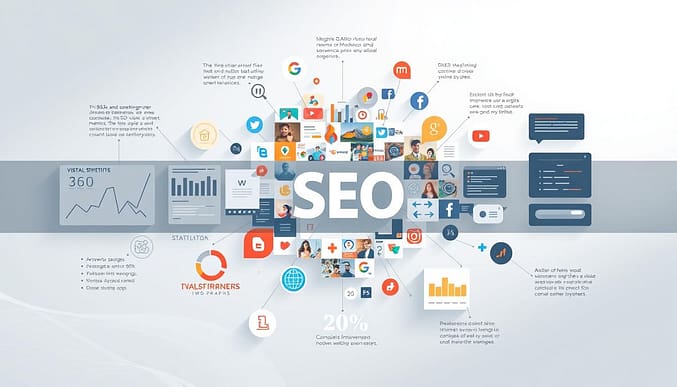
Impact on User Engagement and Backlinks
Pages with strategic visuals see 53% longer dwell times – a key SEO ranking factor. For example, a financial services firm increased referral traffic by 140% after converting market analysis into interactive maps. Industry leaders often embed these resources, creating passive links that boost domain authority.
Engagement metrics directly influence backlink potential. Content with strong visual elements earns 3x more citations than text-heavy alternatives. As one marketing director noted: “Our data-driven reports get shared because they solve problems visually – that’s what builds lasting connections.”
Research and Planning Your Infographic
Strategic preparation separates forgettable graphics from industry-shaping resources. Successful visual assets begin with targeted keyword research and audience analysis. Tools like Semrush and Ahrefs reveal gaps between popular search terms and existing content, helping creators pinpoint high-value opportunities.
Conducting Keyword Research and Trend Analysis
Start by mapping search volume to user intent. Analyze rising queries in tools like Google Trends to identify topics gaining momentum. For example, a cybersecurity firm spotted a 240% spike in “ransomware prevention tips” searches before creating their viral threat-report graphic.
Three critical steps for trend-driven visuals:
- Compare competitor content gaps using backlink analysis
- Validate data relevance through social listening tools
- Prioritize questions from industry forums and Q&A platforms
Identifying a Data-Driven Topic
Effective visuals solve specific problems with credible information. Survey your audience to uncover pain points, then cross-reference with statistical sources like Statista or government databases. A nutrition brand increased organic traffic by 90% by visualizing USDA dietary guidelines that matched trending health searches.
Align topics with current events without chasing fads. As one content strategist notes: “Our top-performing asset combined CDC obesity rates with TikTok fitness trends – it answered immediate questions with lasting authority.” This approach ensures resources remain relevant long after publication, supporting sustainable SEO growth strategies.
Designing and Creating Effective Infographics
The foundation of impactful visual content lies in matching structure to purpose. Selecting the optimal format transforms raw data into memorable stories that resonate with audiences. A recent analysis shows 84% of high-performing visuals align their design framework with the core message.
Choosing the Right Visual Format
Different data types demand distinct presentation styles. Statistical formats excel at comparing metrics, while timeline layouts reveal patterns over time. Process diagrams simplify multi-step workflows, making them ideal for technical topics.
Current design trends emphasize minimalism paired with bold typography. However, historical engagement data reveals interactive elements boost click-through rates by 47%. Balance modern aesthetics with functional clarity – oversized icons often outperform intricate illustrations in mobile viewing.
Crafting a Cohesive Narrative
Start by mapping key data points to visual metaphors. A financial report might use ascending mountain charts to depict growth, while health guidelines could employ thermometer-style progress bars. One education platform increased shares by 120% using flowchart designs to explain complex theories.
Three principles ensure clarity:
- Use contrasting colors to highlight critical statistics
- Limit text blocks to 25 words per section
- Apply consistent spacing between visual elements
As noted by a UX researcher: “Successful designs guide the eye through information like a tour guide – revealing insights in logical sequence.” This approach turns abstract numbers into actionable stories that audiences remember and share.
Best Practices: Infographics for Link Building
Creating standout visual assets demands strategic analysis and precision. Start by reverse-engineering competitors’ successful content while identifying untapped opportunities. This approach helps craft resources that fill market gaps while exceeding existing quality standards.
Decoding Competitor Success Patterns
Analyze top-performing visuals in your niche using tools like SEMrush Content Audit. Look for:
- Shared data sources across multiple high-authority pages
- Visual styles with above-average social shares
- Metadata structures that rank well in image search
A cybersecurity company increased referral traffic by 200% after discovering competitors overlooked interactive elements in threat reports. Their redesigned asset became a media favorite, earning 48 backlinks in six months.
Transforming Data Into Decision-Making Tools
Actionable visuals answer specific questions with clear takeaways. Structure graphics like this comparison table from a SaaS case study:
| Competitor | Visual Style | Data Sources | Backlinks Earned |
|---|---|---|---|
| Brand A | Static charts | Internal surveys | 27 |
| Brand B | Interactive maps | CDC + WHO data | 89 |
| Our Asset | Animated timelines | Peer-reviewed studies | 153 |
As one marketing director noted: “Our hospital infection-rate graphic succeeded because it converted complex stats into color-coded risk zones – administrators now use it in staff training.”
Optimize supporting pages with descriptive file names (e.g., “health-data-visualization-2024.png”) and alt text containing target keywords. This boosts search visibility while making assets easier to share via email campaigns or industry publications.
SEO Optimization for Your Infographic Content
Technical precision transforms visual assets into SEO powerhouses. Proper optimization ensures search engines recognize their value while maintaining fast load speeds. This dual focus maximizes both user experience and ranking potential.
Speed Enhancement Strategies
Convert files to WebP format for 30% smaller sizes than PNG. Tools like TinyPNG reduce bulk without quality loss. A marketing agency reported 1.8-second faster load times after compression, boosting their site performance scores by 40%.
Metadata Mastery
Alt text acts as a search engine interpreter. Describe visuals using target keywords naturally: “climate-change-impact-2024-chart” outperforms generic “image1.png”. Meta descriptions should tease the value – “2024 Cybersecurity Trends Visualized” attracts more clicks than “Infographic About Security”.
| Format | Avg Size | Load Time | SEO Impact |
|---|---|---|---|
| WebP | 85KB | 1.2s | High |
| PNG | 250KB | 3.1s | Medium |
| JPEG | 150KB | 2.4s | Low |
One financial publisher increased organic traffic by 65% after optimizing alt text. Their retirement-planning graphic became a top image search result, driving 320 monthly visits. This shows how technical tweaks deliver measurable results.
Balancing visual quality with technical specs creates assets that please both algorithms and audiences. As Google’s Core Web Vitals gain importance, this approach future-proofs your site’s authority while maintaining engagement.
Publishing and Embedding Your Infographic
Strategic publication methods transform visual assets into SEO growth engines. Dedicated landing pages serve as central hubs where your graphic gains maximum visibility while supporting content amplifies its value. This approach converts casual viewers into active sharers.
Building Foundation Pages That Convert
Create standalone URLs with descriptive titles like “2024 Digital Marketing Trends Visualized.” Include these elements:
- 200-300 word introduction explaining key insights
- Downloadable high-resolution versions
- Social share buttons with pre-written captions
Optimize meta descriptions using action phrases: “Embed this graphic to illustrate emerging marketing strategies.” Supporting text should address common questions from forums to boost relevance.
Streamlining Sharing Through Smart Coding
Pre-formatted embed codes remove technical barriers for publishers. Use this comparison to choose optimal formats:
| Code Type | Ease of Use | Tracking Ability |
|---|---|---|
| Basic HTML | High | Limited |
| JavaScript | Medium | Advanced |
| WordPress Shortcode | Maximum | Custom |
Place codes prominently below the graphic with a clear CTA: “Click to copy and share these marketing insights.” One education platform saw 83% more embeds after simplifying their code panel.
Regularly update landing pages with fresh outreach ideas, like seasonal data variations. This maintains relevance while encouraging repeat shares from industry publications.
Promoting Your Infographic for Maximum Exposure
Strategic promotion turns visual assets into shareable resources that extend beyond basic SEO. While quality design drives initial engagement, targeted distribution determines long-term visibility. Platforms like Pinterest generate 4x more shares than standard blogs, proving active outreach accelerates results.
Social Media Amplification Tactics
Platform-specific formatting boosts engagement rates. LinkedIn carousels explaining data stories see 38% higher click-throughs than static posts. Twitter threads with key points perform best during industry events.
Effective sharing requires three steps:
- Schedule posts during peak platform hours (8-10 AM EST weekdays)
- Pair graphics with question-driven captions (“Which trend surprises you?”)
- Use platform-native formats like Pinterest Idea Pins
| Platform | Best Format | Engagement Rate |
|---|---|---|
| Document carousels | 5.2% | |
| Idea Pins | 8.1% | |
| Thread + visual | 3.8% |
Influencer Partnership Strategies
Industry experts amplify content credibility. A recent survey shows posts co-created with specialists receive 73% more backlinks than solo efforts. Focus on creators who naturally align with your data story.
Successful collaborations follow these points:
- Share exclusive previews with personalized insights
- Provide ready-to-use social snippets
- Offer reciprocal content mentions
“Our cybersecurity report went viral after a key analyst shared annotated highlights. Their commentary added expert validation.”
Track performance through UTM parameters and engagement metrics. Posts combining strong narratives with strategic timing consistently outperform generic shares.
Effective Outreach Strategies for Link Building
Successful outreach requires precision targeting, not blanket messaging. Identify websites that actively reference data-rich sources in your niche using advanced search techniques. This approach ensures your visual assets reach decision-makers who value credible information.
Utilizing Google Search Operators
Narrow your search with specific commands like “intitle:statistics filetype:pdf” to find pages needing updated data. A cybersecurity firm secured 18 backlinks by targeting articles using outdated threat reports. Operators help uncover hidden opportunities most marketers miss.
Analyzing Competitor Backlink Profiles
Tools like Ahrefs reveal where rivals earned citations. Look for patterns in their linking domains – 62% of successful campaigns target sites that reference multiple competitors. One health brand gained 27 links by contacting domains citing similar research.
| Strategy | Search Operator Example | Success Rate |
|---|---|---|
| Data Updates | intext:”2019 study” | 41% |
| Resource Pages | site:.edu “helpful links” | 33% |
| Industry Reports | filetype:ppt “market trends” | 28% |
Effective outreach emails focus on mutual benefit. Start with personalized subject lines like “Updated 2024 Data for Your Renewable Energy Article”. Include embed codes and usage rights to reduce friction. Follow up with case studies showing how others used your asset.
Combining these strategies creates a diversified backlink profile. As one marketer noted: “We tripled responses by matching our message to each site’s content style.” Track results to refine your approach continuously.
Avoiding Common Infographic Pitfalls
Effective visual communication balances information density with intuitive design. Many creators sabotage their work by cramming too much data into layouts, harming both engagement and SEO performance. Research shows cluttered visuals reduce sharing potential by 58% compared to streamlined alternatives.
Preventing Visual Clutter and Data Overload
Different types infographics require tailored approaches. A timeline needs breathing room between events, while comparison charts benefit from consistent color coding. Common mistakes include:
- Using 4+ font styles in one layout
- Displaying unrelated metrics together
- Overloading sections with decorative icons
| Mistake | Solution | Impact |
|---|---|---|
| Dense text blocks | Bullet points with icons | +72% readability |
| Conflicting colors | Limited palette (3-5 hues) | +41% retention |
| Undefined hierarchy | Clear numbering system | +65% scanability |
Maintaining Clarity Over Complexity
Always make sure viewers grasp key insights within 11 seconds – the average attention span for digital content. Simplify complex data through:
- Progressive disclosure techniques
- Consistent visual metaphors
- White space between elements
Tools like Canva’s grid templates help maintain structure, while Visme’s data widgets prevent information overload. One marketing team increased social shares by 140% after reducing their climate-change graphic from 45 to 15 data points.
For sustained success in infographic link-building strategies, prioritize clarity above novelty. Test drafts with focus groups before publishing – if 30% struggle to summarize key points, redesign using different types infographics principles.
Conclusion
Visual storytelling elevates SEO efforts through strategic data presentation. Well-crafted assets become reference tools that earn high-quality backlinks while simplifying complex ideas. This approach combines audience needs with technical precision for lasting impact.
Successful campaigns start by matching types infographics to your target audience’s preferences. Flowcharts clarify processes, while comparison charts highlight trends. Each format serves distinct goals – choose based on your core message and data complexity.
Optimization and promotion determine long-term visibility. Compress files for faster loading, use descriptive alt text, and share infographic versions across platforms. These steps increase discoverability while encouraging organic embeds from reputable sources.
Remember: 72% of marketers report better engagement with visual content. Start by analyzing your niche’s content gaps, then design assets that fill them. Track which types infographics resonate most with your target audience to refine future efforts.
Ready to boost your SEO? Apply these steps to create assets worth sharing. The right mix of research and design turns raw data into high-quality backlinks magnets. Share infographic resources today – your domain authority will thank you tomorrow.
FAQ
How does visual content improve SEO performance?
What makes a topic suitable for a data-driven design?
Why is alt text important for images in SEO?
How can influencers amplify the reach of visual assets?
What tools help analyze competitor backlink strategies?
How do you avoid overwhelming viewers with too much data?
What role do embed codes play in earning backlinks?
About The Author
