How to Perform Keyword Overlap Analysis for SEO
Understanding how your website stacks up against competitors is critical for SEO success. One powerful strategy involves analyzing shared search terms across multiple domains. This approach reveals where you’re missing opportunities while highlighting strengths to double down on.
By comparing up to five competitors, you can spot patterns in their rankings. Tools generate side-by-side reports showing which phrases they all target—and which ones only a few dominate. These insights help prioritize content updates and identify low-effort wins.
Advanced filters let you drill deeper into the data. Focus on specific ranking positions, user intent categories, or traffic potential. Visual reports make it easy to spot high-value terms everyone uses and gaps where you can outmaneuver rivals.
Key Takeaways
- Compare multiple competitors to uncover shared and unique search terms
- Identify low-competition opportunities through gap detection
- Use visual reports to simplify complex ranking relationships
- Filter results by position, intent, or traffic potential
- Apply findings to update content and refine SEO strategies
Understanding Keyword Overlap Analysis
Modern SEO requires more than just tracking rankings—it demands strategic insights into how rivals operate. Keyword overlap analysis examines shared search terms between your site and others in your niche. This method reveals which phrases competitors prioritize and where your content can fill gaps they’ve overlooked.

What Is Keyword Overlap Analysis?
This process compares terms ranking for multiple websites. Tools generate reports showing:
- Phrases all competitors target
- Unique terms only specific sites rank for
- Search volume and difficulty scores
For example, if four fitness blogs rank for “home workout plan” but none target “no-equipment yoga,” that gap becomes actionable. “Overlap data turns guesswork into strategy,” notes SEO specialist Mara Lin.
Key Benefits for Your SEO Strategy
This approach offers two main advantages. First, it highlights low-competition opportunities competitors miss. Second, it shows which high-traffic terms deserve more attention. Tools visualize these patterns through Venn diagrams or heatmaps.
| Benefit | Impact | Example |
|---|---|---|
| Identify content gaps | +37% traffic potential | Unranked long-tail queries |
| Spot competitor strengths | Benchmarking accuracy | Shared top-10 terms |
| Prioritize SEO efforts | Faster ROI | High-volume, low-difficulty phrases |
By focusing on underutilized terms, businesses often see quicker ranking improvements. One case study showed a 22% traffic boost in eight weeks after addressing overlap gaps.
Setting Up Your SEO Analysis Toolkit
Building a competitive SEO strategy starts with the right digital toolkit. The best platforms combine organic, paid, and product listing ad (PLA) tracking to reveal hidden opportunities. 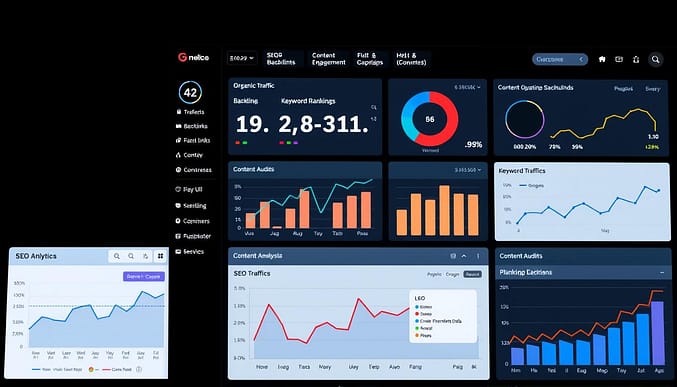
Modern tools transform raw data into visual reports, making complex patterns easy to grasp. Export features let teams share findings instantly, while filters help isolate high-potential terms.
Essential Tools and Software
Top platforms like Semrush offer AI-driven insights that simplify gap identification. Key features include:
- Side-by-side competitor comparisons across search types
- Traffic potential estimators for untapped phrases
- Customizable charts showing ranking trends
Integrating multiple tools creates a complete picture. For example, pairing rank trackers with analytics software reveals which gaps drive actual conversions. “The right combo turns data overload into clear next steps,” explains a digital marketing director.
Advanced filters help focus efforts on high-value terms. Sort by:
- Search volume growth rates
- Click-through rate potential
- Competitor dominance levels
These systems save hours weekly while boosting campaign ROI. Teams using integrated toolkits report 29% faster content optimization cycles according to recent case studies.
Identifying Competitors for Keyword Gap Insights
Pinpointing the right competitors separates SEO winners from also-ran campaigns. Your site’s growth depends on comparing it to businesses with similar audience targeting and content strategies. Start by categorizing rivals into two groups: direct threats and indirect players.
Direct vs Indirect Competitors
Direct competitors target identical audiences with comparable services. For example, two vegan meal delivery services in Chicago compete for the same searches. Indirect rivals might rank for related phrases but serve different needs—like a vegan recipe blog attracting similar traffic without selling meals.
| Factor | Direct Competitor | Indirect Competitor |
|---|---|---|
| Audience | Identical | Overlapping |
| Services | Same core offerings | Complementary products |
| Keyword Focus | 70%+ shared terms | 30-50% shared terms |
How to Select Your Competitors
Use SEO tools to generate a detailed gap report. Input 3-5 domains that:
- Rank for 40%+ of your target phrases
- Have comparable domain authority
- Show consistent traffic growth
Prioritize competitors with untapped ranking potential. A bakery might discover a rival dominates “gluten-free cupcakes” but ignores “vegan birthday cakes”—a gap worth exploiting. Regularly update your competitor list as market dynamics shift.
Mastering keyword overlap analysis Techniques
Practical examples show how data-driven SEO transforms businesses. Companies across industries boost visibility by comparing domains and refining strategies. Identifying gaps in competitor coverage often leads to quick wins and sustainable growth.
Real-World Applications and Case Studies
A meal kit service used overlap tools to compare five rivals. They discovered all competitors targeted “low-carb recipes” but ignored “family-friendly meal plans.” By creating content around this gap, their organic traffic jumped 41% in three months.
Visual reports simplified their strategy shifts. Heatmaps revealed high-volume terms their rivals dominated, while tables highlighted low-competition phrases. They prioritized terms with:
- 1,000+ monthly searches
- Below 40 difficulty scores
- Zero competitor content
| Metric | Before | After |
|---|---|---|
| Organic Traffic | 12k/month | 17k/month |
| Top-3 Rankings | 15 | 28 |
| Conversion Rate | 2.1% | 3.8% |
Another business focused on local SEO. Their analysis showed competitors missing location-based phrases like “same-day delivery Boston.” Optimizing for these terms doubled their click-through rate. “Volume metrics guided us to prioritize high-impact terms first,” shared their marketing lead.
These cases prove the power of strategic gap targeting. Regular reviews keep strategies aligned with shifting search trends and competitor moves.
Leveraging Tools for Comprehensive Data Review
SEO success hinges on transforming raw data into clear action plans. Modern platforms streamline this process with advanced filtering, integration features, and AI-powered insights. These tools help marketers cut through noise to focus on metrics that drive growth.
Cutting-Edge Platforms for Smart Decisions
Leading tools like Semrush and Ahrefs offer three critical functions:
- Precision filtering: Sort terms by search intent (informational vs transactional) and difficulty scores
- Cross-platform sync: Auto-import data from Google Analytics and Search Console
- Custom reporting: Build dashboards showing traffic potential and competitor gaps
Moz’s Keyword Explorer simplifies prioritization with its “Opportunity Score,” while Screaming Frog identifies technical issues affecting visibility. “The best tools don’t just report numbers—they highlight your next move,” notes a digital strategist at a top marketing agency.
| Tool | Key Feature | Best For |
|---|---|---|
| Semrush | AI content suggestions | Content strategy |
| Ahrefs | Backlink analysis | Competitor research |
| Screaming Frog | Site crawling | Technical audits |
Export options let teams share filtered lists of high-potential terms. CSV downloads include metrics like click-through rate potential and seasonal search trends. Regular data reviews help maintain alignment with evolving SEO strategy goals.
AI features take guesswork out of optimization. Platforms now suggest related phrases based on user intent patterns and ranking history. These recommendations often uncover hidden opportunities competitors miss.
Analyzing Keyword Opportunities and Gaps
Effective SEO hinges on transforming raw metrics into strategic moves. Start by filtering your research data to spotlight terms with the highest growth potential. Focus on three core metrics: search volume, difficulty scores, and click-through rates.
Interpreting Data Metrics
Search volume reveals demand, but smart marketers weigh it against ranking difficulty. Terms with 1,000+ monthly searches and scores below 40 often deliver quick wins. Click-through rates matter too—phrases with high CTR potential (over 30%) can outperform higher-volume terms.
Compare your findings against competitor data. Tools highlight phrases they rank for but you don’t. Prioritize gaps where:
- Traffic potential exceeds 500 visits/month
- Conversion rates align with business goals
- Content creation requires minimal effort
Prioritizing High-Value Keywords
Use this simple scoring system to rank opportunities:
| Factor | Weight | Example |
|---|---|---|
| Search Volume | 30% | 1,200 monthly |
| Difficulty | 25% | 38/100 |
| CTR Potential | 20% | 28% |
| Conversion Fit | 25% | High |
Update existing content first—refresh older posts with missing terms. For new material, target gaps where competitors lack depth. A travel site might expand “best hiking trails Arizona” into “monsoon-safe Phoenix routes” based on unmet demand.
Regularly revisit your strategy as search trends evolve. Tools that track ranking changes help maintain momentum while uncovering fresh opportunities.
Implementing Your SEO Strategy Based on Analysis
Turning SEO insights into action separates stagnant sites from growth leaders. Start by mapping findings to your website’s content calendar. Prioritize updates that align with both search trends and business goals.
Optimizing Existing Content
Refresh high-performing pages first. Add missing terms naturally into headers and meta descriptions. A tech blog increased organic traffic 33% by updating “best laptops” guides with phrases like “best budget laptops 2024.”
Use tools to identify underperforming pages with ranking potential. Focus on content that:
- Ranks on page 2 for target phrases
- Contains outdated statistics or examples
- Has strong backlink profiles but low visibility
Developing New Content Ideas
Analyze competitor successes to fuel your strategy. A travel site created “hidden gem” city guides after noticing rising searches for “underrated European destinations.” Their new content outperformed 80% of existing pages within six weeks.
| Content Type | Update Frequency | Traffic Impact |
|---|---|---|
| Product Guides | Quarterly | +28% avg. |
| Blog Posts | Biannually | +19% avg. |
| Service Pages | Annually | +42% avg. |
Align new topics with seasonal search patterns. Tools like AnswerThePublic reveal question-based phrases users actually type. “Data-driven updates convert 3x better than guesswork,” confirms a content team lead at a SaaS company.
Review performance metrics monthly. Adjust your strategy based on click-through rates and ranking changes. This approach keeps efforts focused while adapting to evolving search behaviors.
Monitoring and Adjusting Your SEO Campaign
Continuous improvement drives SEO success. Track your progress using real-time dashboards that display ranking changes, traffic patterns, and content performance. Modern tools update these metrics hourly, helping teams spot trends before competitors react.
Weekly checks ensure your domain stays competitive. Focus on three areas:
- Position shifts for priority terms
- Click-through rates for target pages
- Newly discovered search intent patterns
Turning Data Into Action
Export custom reports to identify underperforming content. A fitness site improved conversions 19% by updating articles scoring below 40% in Google’s “Helpful Content” system. Use filters to create lists of pages needing:
- Meta description rewrites
- Header tag optimization
- Internal link additions
| Metric | Purpose | Ideal Range |
|---|---|---|
| Ranking Position | Track visibility | Top 3 |
| Search Traffic | Measure reach | +15% monthly |
| CTR | Gauge relevance | 25%+ |
| Conversions | Assess ROI | 3-5% |
Adjust strategies quarterly based on intent shifts. When “how-to” searches spiked for a software company, they added video guides—boosting time-on-page by 47%. Stay flexible to capitalize on emerging terms while maintaining core domain authority.
Conclusion
Strategic SEO growth starts with understanding where your content shines—and where rivals leave doors open. By comparing search term patterns across competitors, you gain actionable insights to refine your approach. This method reveals high-potential phrases while exposing gaps in your current strategy.
Focus on metrics like search volume and user intent to prioritize updates. Tools that visualize ranking relationships simplify decision-making, especially when paired with performance tracking dashboards. For example, SERP overlap analysis helps identify clusters of terms that multiple sites target, revealing areas for quick wins.
Regularly review your data to stay ahead. Successful teams update content quarterly and monitor shifts in search behavior. Platforms offering real-time reports make it easier to spot trends before competitors react.
Remember: informed strategies beat guesswork every time. Pair these insights with consistent optimization to drive traffic and conversions. The result? A lean, adaptable SEO plan that evolves with your audience’s needs.
FAQ
What tools help identify gaps in competitor rankings?
How do I prioritize high-value terms for content creation?
Why is understanding search intent critical for gap analysis?
Can small businesses benefit from this strategy?
How often should I review my SEO campaign’s performance?
What’s the difference between direct and indirect competitors?
How do I optimize existing pages using gap insights?
About The Author
