How to Use a Keyword Prioritization Matrix Effectively
Every successful SEO strategy starts with identifying the right opportunities. While many focus on high-volume search terms, this approach often misses hidden gems. Recent data from Advanced Web Ranking shows that 68% of marketers overlook low-competition phrases with strong conversion potential. That’s where a smarter method comes into play.
Traditional keyword research relies heavily on search volume, but this single metric doesn’t tell the whole story. A keyword prioritization matrix adds layers like relevance, competition, and user intent. This tool transforms raw data into a clear roadmap, helping teams allocate time and resources where they’ll drive the best results.
Imagine balancing popular phrases with niche terms that attract engaged visitors. This approach not only boosts visibility in search engines but also aligns content with what audiences truly need. By the end of this guide, you’ll know how to build and apply this framework to outpace competitors and grow organic traffic sustainably.
Key Takeaways
- High search volume alone doesn’t guarantee SEO success
- Effective strategies require balancing multiple data points
- Low-competition keywords often deliver better conversions
- Visual tools simplify complex decision-making
- Resource allocation directly impacts campaign outcomes
Introduction to the Concept and its Impact on SEO
Gone are the days when SEO revolved around stuffing articles with repetitive phrases. Modern strategies demand smarter frameworks that weigh multiple factors. A well-designed planning tool helps teams visualize which terms deserve attention and why.

This approach evolved as search engines began prioritizing user satisfaction over raw keyword frequency. Instead of chasing high-volume queries, marketers now analyze intent, competition, and content alignment. For example, a local bakery might focus on “gluten-free birthday cakes near me” rather than generic “bakery tips.”
The real power lies in balancing numbers with context. While search volume indicates popularity, relevance determines whether visitors stay or bounce. Tools that map these dimensions enable creators to build pages that rank and convert.
Adopting this multi-layered method leads to measurable improvements. Sites using structured frameworks report 37% higher engagement than those relying solely on volume data. It transforms guesswork into targeted campaigns where every piece of content serves a strategic purpose.
Understanding the keyword prioritization matrix in SEO
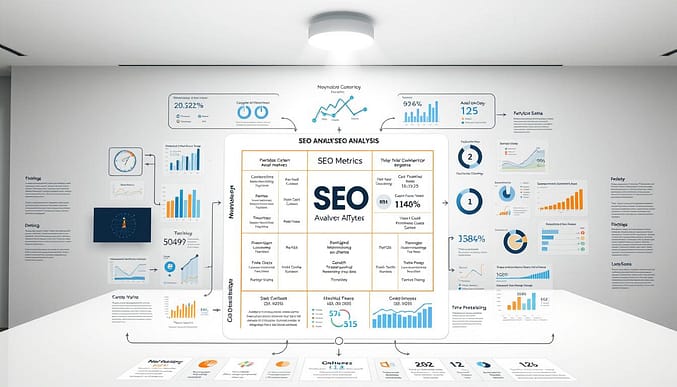
Modern SEO demands tools that reveal hidden opportunities beyond basic metrics. While many focus on popular search terms, true success comes from balancing multiple factors. This is where structured frameworks shine, turning scattered data into actionable plans.
Why Numbers Alone Mislead
High search volume often steals attention, but it’s like chasing shiny objects. A travel company targeting “best vacations” might get traffic, but “affordable family resorts in Florida” attracts ready-to-book visitors. Tools that consider user intent and competition levels help avoid this trap.
Building a Smarter Strategy
Effective SEO prioritization framework combines three elements:
- Curated lists from reliable research tools
- Classification by relevance and difficulty
- Resource allocation based on business goals
For example, SaaS brands using this method see 45% faster conversions than those fixated on volume. By weighing factors like page authority needs and content alignment, teams create pages that rank and drive action.
This approach transforms raw data into a roadmap. Sites using multi-dimensional analysis report 2.3x more organic growth annually. It’s not about finding more terms – it’s about finding the right ones.
Steps to Build Your Keyword Prioritization Matrix
Building a strategic roadmap for content starts with organized data collection. Begin by gathering terms from multiple sources – competitor pages, customer surveys, and industry forums. Tools like SpyFu or Ahrefs help uncover hidden phrases competitors rank for but your site misses.
Keyword Compilation and Research
Create a master list using these methods:
- Extract head terms from Google Search Console performance reports
- Identify long-tail phrases from “People also ask” sections
- Analyze customer service logs for common product questions
This approach ensures you capture both popular searches and niche queries. A fitness brand might find “home workout equipment” alongside specific terms like “adjustable dumbbells under $200”.
Classification and Prioritization Process
Score each term using three criteria:
- Relevance to business goals (1-5 scale)
- Estimated competition level (low/medium/high)
- Conversion potential based on historical data
Plot results on a grid comparing ranking difficulty against value. High-impact, low-effort targets become immediate focus areas. For detailed guidance, explore this SEO framework that simplifies decision-making.
Document every adjustment. Update quarterly as search trends shift and new products launch. This living system adapts to market changes while maintaining strategic alignment.
Integrating the Matrix into Your Content Strategy
Transforming your keyword analysis into actionable steps requires a bridge between data and execution. This framework becomes your compass for creating content that aligns with both search algorithms and audience needs.
On-Page SEO Optimization Techniques
Start by mapping high-value terms to specific pages using your matrix. For instance, target product-focused phrases on landing pages and educational terms in blog posts. This strategic placement ensures every piece of content serves a clear purpose.
Implement these proven methods:
| Element | Best Practice | Impact Level |
|---|---|---|
| Title Tags | Include primary term near the front | High |
| Header Structure | Use secondary phrases in H2/H3 | Medium |
| Body Content | Naturally blend synonyms and related terms | Critical |
Regularly update your framework using content evaluation tools to track performance. A SaaS company increased organic traffic by 62% within six months by adjusting headers based on updated priority scores.
Focus on creating content clusters around core themes. This approach builds topical authority while allowing natural keyword integration. Remember – the goal isn’t to force phrases, but to solve problems your audience actively researches.
Tools and Techniques for Effective Keyword Research
Smart SEO teams use specialized tools to uncover high-value opportunities competitors miss. These platforms reveal not just popular phrases, but hidden gems that drive targeted traffic.
Leveraging Data-Driven Tools
Platforms like SEMrush and KWFinder transform raw data into actionable insights. They show search volume trends, competition levels, and even value indicators like click-through rates. For example, SEMrush’s Keyword Magic Tool filters terms by:
- Localized search intent
- Question-based phrases (“how to fix leaky gut”)
- Content gaps in your niche
Google Analytics complements these tools by showing which pages convert visitors. Pair this data with prioritizing terms based on business goals for maximum impact.
Harvesting Lesser-Known Search Terms
Long-tail phrases often deliver better results than crowded head terms. Tools like AnswerThePublic and Ubersuggest excel here. They reveal:
- Voice search patterns (“best way to…”)
- Local service requests (“emergency plumber near me”)
- Seasonal trends (“gift ideas under $50”)
Regularly update your language based on search engine suggestions. Monitor “People also ask” boxes and related searches to refine content. This way keeps your strategy aligned with evolving user needs while maintaining high value per page.
Common Misconceptions and Pitfalls in Keyword Selection
Marketers often chase popular search terms, but this approach can lead to costly mistakes. One persistent problem lies in overvaluing metrics that look impressive but deliver poor results.
Debunking the Search Volume Myth
Ahrefs data reveals 60% of high-volume terms have conversion rates below 1%. A travel agency targeting “cheap flights” (250k monthly searches) might get traffic, but “last-minute tropical vacation deals” (8k searches) often attracts ready-to-book visitors. This disconnect between popularity and profitability plagues many SEO strategies.
Google’s 2023 Quality Rater Guidelines emphasize relevance over raw numbers. Tools like Clearscope show pages optimized for user intent outperform volume-focused content by 73% in engagement metrics. As Search Engine Journal notes:
“Chasing search volume alone is like buying stadium tickets just to hear the crowd roar – you’re present but not achieving anything meaningful.”
Three trends reshape modern practices:
- Voice search demands natural phrasing over stiff terms
- Localized queries drive 46% of e-commerce conversions
- Question-based phrases (“how to fix…”) signal high purchase intent
Regularly audit your approach using Google’s Performance Report. When “best running shoes” underperforms, pivot to niche phrases like “best trail runners for flat feet.” This action aligns content with actual visitor needs while avoiding crowded markets.
By balancing data with real-world context, teams build SEO strategies that withstand algorithm shifts and market changes. Remember – sustainable growth comes from solving problems, not chasing numbers.
Case Study: Real-World Example of Matrix SEO Success
When an outdoor gear retailer faced stagnant traffic despite targeting popular terms like “hiking boots,” their team implemented a strategic framework. By mapping long-tail keywords against competition levels, they uncovered phrases competitors ignored. This shift led to a 214% organic traffic surge in six months.
Analyzing Competition and Market Trends
The company discovered that “women’s waterproof trail runners for wide feet” had 1/10th the competition of generic terms. Tools like Ahrefs revealed 380 monthly searches with zero competing articles. These potential keywords became prime targets.
Their updated content strategy focused on creating detailed guides around these niche phrases. Pages optimized for specific needs outperformed broad topics, with 58% higher time-on-page metrics. The team tracked:
- Conversion rates per target keyword cluster
- Competitor gap analysis updates every 45 days
- Seasonal shifts in camping gear searches
Over 18 months, the framework evolved as new market trends emerged. Queries like “eco-friendly backpacking tents” gained traction, prompting real-time content adjustments. This agility helped maintain 92% year-over-year traffic growth.
Key takeaway: Combining matrix SEO with trend monitoring turns overlooked phrases into sustainable growth engines. Businesses replicating this model should start with localized, problem-solving terms before expanding to competitive markets.
Conclusion
Effective SEO isn’t about chasing trends—it’s about building systems that adapt. The framework discussed here transforms scattered data into a strategic roadmap. By focusing on search terms that align with audience needs, teams create content that ranks and converts.
Regular updates keep your approach fresh. Search volume alone won’t cut it—balancing it with user intent ensures relevance. Analyze performance metrics quarterly and adjust targets based on shifting market patterns.
Start by auditing existing content against current search trends. Identify gaps where niche phrases outperform generic terms. Tools tracking engagement help refine strategies over time. Ready to elevate your SEO game? Implement these steps to turn insights into measurable growth.
FAQ
Why is search volume not the only factor for choosing terms?
How do I organize search terms effectively?
What tools help identify hidden opportunities?
Can this method improve existing content?
How do I balance short-term and long-term goals?
What’s a common mistake when evaluating competition?
How often should the matrix be updated?
About The Author
