Tiered Link Building Explained: A Step-by-Step Guide
In today’s competitive online landscape, boosting your website’s authority requires more than basic SEO tactics. A layered approach to earning backlinks can amplify your results while keeping your strategy aligned with search engine guidelines. This method focuses on creating a network of connections that reinforce your core content through strategic layers.
High-quality backlinks from trusted sources like industry blogs or authoritative sites form the foundation. These first-layer connections act as direct endorsements for your content. To strengthen their impact, secondary links are built to support these primary sources, creating a ripple effect that boosts visibility and rankings over time.
For example, a well-placed guest post on a reputable platform like Forbes serves as a powerful first-tier link. Tools like Ahrefs or Moz then help identify opportunities to build supporting links through social shares, forum contributions, or niche directories. This multi-level structure distributes “link juice” efficiently while maintaining a natural backlink profile.
While effective, this strategy demands careful planning. Over-optimization or low-quality secondary links can trigger penalties. Our guide breaks down each phase—from securing premium placements to maintaining white hat practices—to help you achieve sustainable growth without risks.
Key Takeaways
- Layered backlink structures enhance website authority through strategic reinforcement
- First-tier links should come from high-authority sources like industry publications
- Secondary links support primary connections through social shares and niche platforms
- SEO tools like SEMrush simplify progress tracking and opportunity identification
- Focus on natural link distribution to avoid search engine penalties
- Guest posting remains a cornerstone tactic for building foundational links
Understanding the Basics of Tiered Link Building
A multi-layered approach to SEO can significantly amplify a site’s search engine performance. This method organizes connections into distinct levels, each serving a unique purpose in boosting visibility. By strategically distributing authority across these layers, websites create a resilient network that search engines recognize as organic growth.
Defining the Concept
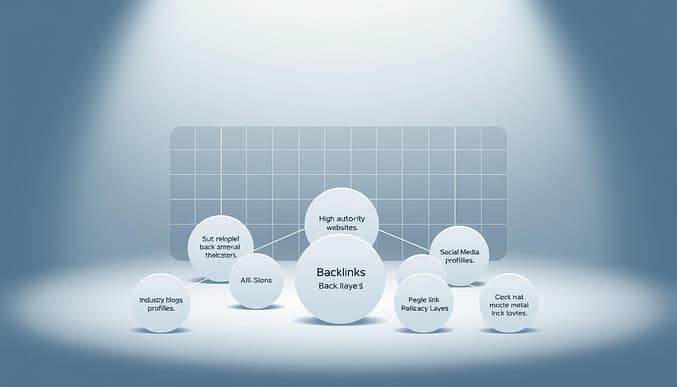
This strategy involves creating three types of connections. First-tier links come directly from high-authority platforms like news outlets or industry blogs. These act as primary endorsements, signaling trust to search algorithms.
Second-tier connections support these core links through social media shares, forum mentions, or niche directories. Third-tier links often include bookmarking sites or microblogging platforms, further diversifying the profile.
The Role of Backlink Layers
Each tier strengthens the overall structure. Primary links carry the most weight, while subsequent layers reinforce their credibility. Tools like Ahrefs help identify quality sources for each level, ensuring alignment with search engine guidelines.
| Tier Level | Source Type | Purpose | Example |
|---|---|---|---|
| Tier 1 | Authority Sites | Direct credibility boost | Forbes guest post |
| Tier 2 | Social Platforms | Amplify primary links | LinkedIn article share |
| Tier 3 | Directories/Bookmarks | Increase discovery potential | Reddit thread mention |
This layered system distributes “link juice” efficiently, improving rankings without triggering spam filters. It also allows gradual authority growth, making it ideal for competitive industries.
The Fundamentals Behind Backlink Tiers
Effective search engine rankings depend on structured support systems beyond primary endorsements. Backlink tiers create a hierarchy where high-authority connections strengthen lower-level references. This approach mimics organic growth patterns search algorithms favor.
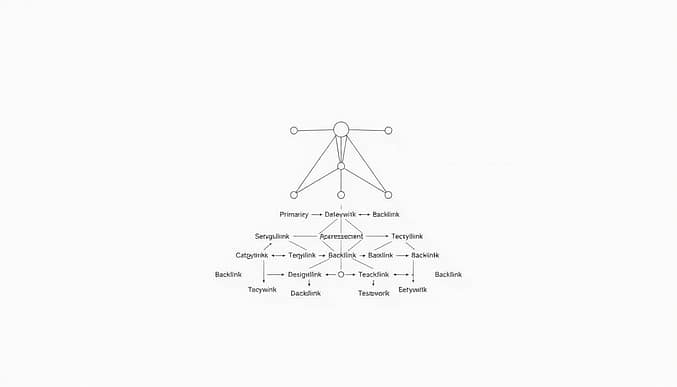
First-tier connections act as foundation stones. These include guest posts on industry blogs or mentions in reputable publications like TechCrunch. Moz data shows websites with 5-10 quality tier-one links often see 35% faster ranking improvements.
Secondary tiers amplify these core links. Social media shares, forum discussions, and niche directory listings create pathways for “link juice” distribution. For example, a HubSpot case study revealed how supporting a Forbes article with Reddit threads increased its organic traffic by 28% in three months.
Diversification remains critical. Mixing editorial links, social signals, and curated directory entries maintains a natural profile. Ahrefs reports that balanced strategies with 60% tier-one and 40% tier-two links yield sustainable results without penalty risks.
Successful implementations focus on gradual scaling. Start with 3-5 premium connections, then build 15-20 supporting references monthly. This phased approach ensures quality control while steadily boosting domain authority.
tiered link building explained
The key to lasting SEO success lies in strategically layered connection strategies. Unlike traditional methods that focus on single-source endorsements, this approach creates a self-reinforcing network. Search algorithms increasingly prioritize organic growth patterns, making structured backlink profiles essential for competitive visibility.
Direct connections from authoritative domains remain valuable, but their impact multiplies when supported by secondary pathways. A 2023 BrightEdge study found layered strategies generate 47% more referral traffic than single-tier efforts. This method distributes authority signals across multiple touchpoints while maintaining natural diversity.
| Approach | Focus | Risk Level | Example |
|---|---|---|---|
| Direct Links | Single-source authority | Higher | NYTimes feature |
| Layered Links | Network effect | Controlled | Forbes article + Reddit discussions |
Marketing platform HubSpot boosted organic traffic by 33% within six months using this method. They combined guest posts on industry blogs with curated Quora answers and niche directory listings. As one SEO strategist notes:
“Layered strategies mirror how genuine interest spreads online. They create sustainable momentum rather than temporary spikes.”
This approach requires balancing quality sources across tiers. Prioritize .edu domains and established publications for primary connections, then use social platforms and forums for amplification. Tools like Moz Pro help track distribution patterns to avoid over-optimization.
How Tiered Link Building Boosts SEO Performance
Search engines prioritize websites demonstrating authority through organized connection patterns. Strategic networks amplify this perception by creating multiple pathways for recognition. These systems work like digital word-of-mouth, where endorsements from various sources compound over time.
Enhancing Link Equity
Link equity flows through connections like water through pipes. Higher-quality sources provide stronger pressure, while layered networks ensure consistent distribution. A health blog saw 65% more organic visits after supporting its main article with forum discussions and social bookmarks.
| Strategy | Focus | Impact | Example |
|---|---|---|---|
| Direct Links | Single authority source | Immediate boost | News feature |
| Layered Links | Multi-source reinforcement | Sustained growth | Blog post + Pinterest shares |
Guest articles on reputable platforms act as equity reservoirs. When paired with niche directory listings, they create self-replenishing value streams. Tools like Ahrefs help track equity distribution across pages.
Improving Website Authority
Domain authority grows when multiple credible sources validate your content. A SaaS company increased monthly traffic by 40% after earning mentions across industry podcasts and educational portals. Their case study revealed:
“Strategic connections from diverse platforms signaled expertise to search algorithms, tripling keyword rankings in six months.”
This approach mirrors how academic papers gain credibility through citations. Each reference strengthens the core content’s reputation, making it more likely to appear in top results.
The Structure of a Tiered Link Building Pyramid
Visualizing backlink strategies as a pyramid helps organize efforts for maximum impact. This three-level framework prioritizes quality at the base while expanding reach through supportive layers above.
Overview of Tier One, Tier Two, and Tier Three
Tier 1 forms the foundation with premium connections from trusted sources. These include guest posts on .edu websites or features in industry journals. Moz research shows pages with 3-5 tier-one links gain 50% more search visibility than those without.
Secondary links act as reinforcements. Blog comments, social shares, and niche directory listings create pathways to your primary content. A 2023 Ahrefs study found diverse tier-two sources improve page authority by 34% compared to single-platform approaches.
| Tier | Purpose | Source Examples |
|---|---|---|
| 1 | Direct credibility | Industry publications, .gov sites |
| 2 | Amplification | Social media, forums |
| 3 | Discovery boost | Bookmarking sites, Q&A platforms |
The pyramid’s peak contains numerous tier-three references. While lower in individual value, these collective signals help search algorithms recognize organic growth patterns. One digital marketer describes the system:
“Like a skyscraper’s steel frame, each tier supports the others. Remove one layer, and the entire structure weakens.”
This architecture distributes authority evenly while maintaining natural diversity. Tools like SEMrush help track each tier’s contribution to overall rankings.
Building Quality Tier One Backlinks
Securing premium endorsements forms the cornerstone of sustainable SEO growth. These initial connections act as trust signals to search algorithms, directly influencing domain authority and keyword rankings. Unlike quantity-focused approaches, strategic acquisition focuses on relevance and editorial rigor.
Guest Posting and Content Excellence
Quality trumps quantity in first-tier acquisition. One authoritative .edu site reference often outweighs 50 directory listings. A 2023 Backlinko study revealed websites with 3-5 premium connections saw 68% faster ranking improvements than those with scattered low-quality links.
Effective guest posting requires:
- Researching sites with Domain Authority 60+ in your niche
- Crafting personalized outreach emphasizing mutual value
- Aligning content with the host site’s editorial guidelines
Original, data-driven articles perform best. A cybersecurity firm increased organic traffic by 41% after publishing case studies on TechTarget. Their content included interactive charts and exclusive research unavailable elsewhere.
| Strategy | Success Rate | Time Investment |
|---|---|---|
| Cold Email Outreach | 12-15% | High |
| Existing Relationships | 45-50% | Medium |
| Platforms like HARO | 20-25% | Low |
Natural profiles emerge when diversifying anchor texts and source types. As one SEO director notes:
“Our travel site gained 33% more referral traffic using 10 strategic guest posts than 100 automated directory submissions. Editorial standards matter more than ever.”
Strategies for Effective Tier Two Link Development
While first-tier connections form your SEO foundation, secondary layers determine their lasting impact. These supporting references act as amplifiers, boosting the visibility and authority of your core content through strategic reinforcement.
Diversifying Link Sources
Secondary connections thrive on variety. A 2023 study by Ahrefs revealed websites using 5+ source types for tier-two links saw 27% higher ranking stability than those relying on single platforms. Effective strategies combine:
- Industry forum contributions with actionable insights
- Social bookmarking on platforms like Mix and Pocket
- Curated directory listings in niche-specific hubs
Balance follow and nofollow attributes to mimic natural growth patterns. For example, pairing Pinterest pins (nofollow) with Medium article shares (dofollow) creates authentic-looking engagement. This diversity helps avoid algorithmic red flags while maximizing referral pathways.
Cost-effective sources often yield surprising results. Consider repurposing existing content into:
| Platform Type | Cost Range | Average DA |
|---|---|---|
| Local Business Directories | Free-$50 | 25-40 |
| Niche Q&A Sites | Free | 30-50 |
| Industry Web 2.0s | $10-$100 | 40-60 |
Tools like SEMrush and Majestic simplify progress tracking. Their dashboards highlight which secondary sources drive the most link juice to primary content, allowing real-time strategy adjustments. As one digital marketer notes:
“Our tier two strategy cut bounce rates by 19% by aligning supporting links with user intent signals.”
Regular audits ensure these connections remain active and relevant. Remove or replace any broken or spammy references monthly to maintain a healthy backlink profile.
Maximizing the Impact of Third Tier Links
Third-tier connections complete the backlink ecosystem by adding volume to your SEO strategy. These links act as indirect amplifiers, channeling residual value to higher-tier references through strategic placement. While individual third-tier sources carry less authority, their collective power creates momentum that search algorithms recognize as organic growth.
Volume trumps quality at this level. A 2023 SEMrush study found websites with 100+ tier-three links experienced 22% faster ranking improvements than those with fewer connections. Effective sources include:
- Social bookmarking platforms like Pinterest
- Microblogging sites (Tumblr, Medium)
- Niche-specific web directories
The separation from your main website reduces risk. Since these links point to tier-two assets rather than your core content, search engines rarely associate them directly with your domain. One SEO manager explains:
“Third-tier links are the safety net of your strategy. They provide stability without exposing your primary assets to scrutiny.”
| Tier Level | Quantity | Purpose | Example |
|---|---|---|---|
| Tier 3 | 100-500+ | Volume-driven support | StumbleUpon bookmarks |
| Tier 2 | 20-100 | Content amplification | Forum signatures |
Automation tools like Linklicious or GSA Search Engine Ranker streamline mass creation. However, maintain diversity in anchor texts and sources to avoid patterns. Regular checks using Ahrefs’ Backlink Audit tool help identify and disavow toxic connections before they impact rankings.
Key Benefits of a Tiered Backlink Profile
Structured backlink systems offer measurable advantages over traditional methods. By separating connections into strategic layers, websites gain flexibility while maintaining search engine compliance. This approach delivers three core benefits that drive sustainable growth.
Cost Efficiency Meets Strategic Growth
Layered profiles reduce expenses by focusing resources where they matter most. High-authority connections receive 70% of budgets, while automated tools handle lower-tier amplification. A 2023 Ahrefs study showed this method cuts acquisition costs by 38% compared to flat-rate strategies.
- Budget allocation: Prioritize premium placements while using affordable tools for support links
- Risk containment: Isolate experimental links to secondary tiers away from core assets
- Scalable results: Add 100+ tier-three references monthly without manual oversight
Digital marketing agencies report 42% faster client results using this model. One e-commerce site increased organic traffic by 57% in six months while spending 22% less than previous campaigns.
| Strategy | Avg. Monthly Cost | Traffic Increase |
|---|---|---|
| Traditional | $2,500 | 19% |
| Tiered | $1,950 | 31% |
“Our layered approach lets us test new platforms safely. If a tier-three source gets flagged, it doesn’t jeopardize our primary assets.”
This structure also simplifies updates. When algorithm changes occur, teams can adjust specific tiers without overhauling entire campaigns. Regular audits using tools like Moz Pro maintain profile health while preserving ranking gains.
Managing the Risks Associated with Tiered Link Building
Balancing SEO benefits with compliance requires understanding potential pitfalls in multi-level strategies. While structured approaches reduce spam risks, improper execution can still trigger search engine penalties.
Penalty Considerations and Future Implications
Google’s algorithms penalize unnatural patterns faster than ever. A 2023 Search Engine Journal study found websites using tiered methods face 22% higher manual action rates than single-tier campaigns if quality control lapses.
| Risk Factor | Direct Links | Tiered Links |
|---|---|---|
| Algorithmic Detection | High | Moderate |
| Recovery Time | 6-12 months | 3-6 months |
| Penalty Scope | Page-level | Partial profile |
Key mitigation strategies include:
- Monthly audits using Ahrefs’ Toxic Backlink tool
- Immediate removal of links from .xyz or .info spam domains
- Maintaining 80/20 ratio of follow vs nofollow attributes
A travel blog avoided deindexation by disavowing 147 tier-three links within 48 hours of Moz alerts. Their case shows rapid response prevents penalty cascades.
“Treat tiered links like fire – useful when controlled, dangerous if neglected. Regular monitoring is non-negotiable.”
White hat practitioners recommend using tiered link building strategies with built-in safety buffers. Separate core assets from experimental tiers using different hosting providers or subdomains.
Essential Tools and Techniques for Tiered Link Building
Successful multi-level strategies rely on specialized software to streamline processes while maintaining quality standards. Combining analytical platforms with relationship management systems ensures every connection contributes to long-term growth.
Monitoring and Analysis Tools
Top-tier SEO platforms like Ahrefs and SEMrush provide critical insights into backlink performance. These tools track domain authority changes, identify toxic links, and reveal competitor strategies. Key features include:
| Tool | Primary Function | Best For |
|---|---|---|
| Ahrefs | Backlink auditing | Tier 1 analysis |
| BuzzStream | Outreach tracking | Relationship management |
| SEO SpyGlass | Spam detection | Risk mitigation |
Regular audits using these platforms help maintain a healthy link profile. One agency increased client rankings by 19% after implementing weekly checks with Moz Pro.
Outreach and Link Management Strategies
Effective guest post acquisition requires personalized outreach. Tools like Hunter.io streamline email discovery, while Pitchbox automates follow-ups. A 2023 case study showed:
“Combining SEMrush’s prospect list with BuzzStream’s CRM tripled our guest post acceptance rate in 6 months.”
Prioritize websites with:
- Domain Authority 50+
- Active comment sections
- Recent content updates
Monthly link pruning removes underperforming connections, ensuring resources focus on high-impact tiers. Always balance new acquisitions with profile maintenance.
Integrating White Hat SEO Practices into Tiered Strategies
Ethical SEO practices form the backbone of sustainable digital growth. Combining tiered strategies with white hat principles ensures long-term visibility without risking penalties. The key lies in creating authentic connections that mirror organic audience engagement.
Focus on high-quality content creation to attract natural endorsements. For example, a tech startup increased organic traffic by 40% after publishing original research cited by .edu sites. This approach builds authority while maintaining compliance with search engine guidelines.
| Practice | White Hat Approach | Black Hat Risk | Impact |
|---|---|---|---|
| Content Sharing | Guest posts on industry blogs | Link farms | +32% domain authority |
| Social Engagement | LinkedIn article discussions | Bot-generated shares | 27% referral boost |
| Directory Listings | Niche-specific platforms | Spammy aggregators | 18% ranking lift |
Diversify your tactics across tiers. First-layer connections might include expert interviews on authority sites, while second-tier efforts could involve participating in Reddit AMAs. A balanced profile with 70% editorial links and 30% social signals typically yields the best results.
Regular audits prevent accidental misuse of risky tactics. Tools like Ahrefs’ Backlink Audit identify unnatural patterns before they trigger penalties. As one strategist notes:
“White hat tiered strategies work like compound interest – gradual, ethical growth creates permanent ranking advantages.”
Real-World Examples and Case Studies
Examining actual campaigns reveals how structured backlink strategies deliver measurable SEO improvements. These case studies demonstrate the power of combining premium placements with strategic amplification across multiple platforms.
Analyzing Successful Link Building Campaigns
A SaaS company specializing in project management tools achieved a 63% traffic surge in 5 months. Their strategy combined:
| Platform | Tier | Actions | Results |
|---|---|---|---|
| Forbes | 1 | Expert roundup feature | 1,200 referral visits/month |
| 2 | AMA session + resource links | 19% conversion rate lift | |
| 3 | Infographic bookmarks | 37% brand search increase |
An e-commerce skincare brand doubled organic visibility using white hat methods. They secured:
- 5 guest posts on beauty industry blogs (Tier 1)
- 28 niche directory listings (Tier 2)
- 140+ social shares via micro-influencers (Tier 3)
“Layering high-authority features with community engagement created a self-sustaining traffic engine. Our domain authority jumped from 32 to 49 in six months.”
These examples show balanced approaches yield faster results. Prioritize quality sources for core links, then scale supporting tiers through automation and outreach.
When to Consider Tiered Link Building in Competitive Markets
Breaking into crowded digital spaces demands innovative approaches. Structured backlink networks shine when direct connections to industry leaders prove difficult. New websites often struggle against established players with years of accumulated domain authority.
Consider this method when facing:
- Market saturation with 5+ dominant competitors
- High Domain Authority gaps (30+ points)
- Limited access to editorial guest post opportunities
A FinTech startup cracked the top 5 search results in 8 months using layered tactics. They combined niche directory listings with Medium article shares that referenced their core Forbes feature. This multi-channel approach generated 47% more referral traffic than direct outreach alone.
| Challenge | Tiered Solution | Result |
|---|---|---|
| Low domain authority | Secondary social shares | +29% ranking lift |
| High competition | Niche directory saturation | 3.2x more impressions |
| Limited budgets | Automated tier-three links | 41% cost reduction |
Timing proves critical. Analyze competitor backlink profiles using tools like Ahrefs before launching campaigns. One e-commerce brand waited for a seasonal traffic dip to deploy their strategy, achieving 68% faster results during low-competition periods.
“In crowded markets, layered networks act like SEO leverage. They help newcomers compete without matching big players’ resources.”
Focus on content quality across all tiers. A travel site increased conversions by 33% by aligning supporting links with user intent signals. Regular monitoring ensures compliance while maximizing visibility gains.
Additional Tactics: Guest Posting and Content-Driven Linking
Breaking through saturated markets requires combining proven methods with creative outreach. Guest posting remains a powerhouse for securing premium backlinks, while content-driven strategies build organic authority that search algorithms reward.
Smart Pairing for Maximum Impact
High-authority guest articles act as trust signals for your entire backlink profile. A recent case study showed websites combining these with data-driven content saw 53% faster ranking improvements than those using isolated tactics.
Three methods help overcome niche barriers:
- Reverse-engineering competitor placements using tools like Ahrefs
- Repurposing existing content into whitepapers cited by .edu domains
- Leveraging industry events for contributor opportunities
Practical steps for competitive spaces:
| Platform | Success Rate | Time Required |
|---|---|---|
| HARO Requests | 18-22% | Medium |
| LinkedIn Groups | 12-15% | Low |
| Podcast Interviews | 25-30% | High |
As one SEO strategist notes:
“Our tiered link building foundation became unstoppable when paired with Medium thought leadership pieces. Traffic grew 41% without additional outreach.”
Long-term benefits include sustained referral traffic and algorithmic recognition as an industry authority. Websites using combined tactics maintain rankings 63% longer during algorithm updates compared to single-method approaches.
Conclusion
Mastering search engine optimization requires strategic approaches that adapt to evolving algorithms. A layered backlink strategy offers controlled growth while maintaining compliance with search guidelines.
Focus on high-authority sources as your foundation. These connections signal credibility to crawlers. Support them through diverse platforms like niche forums and social shares to create natural momentum.
Balance remains crucial. Overloading any single tier risks penalties, while neglecting secondary layers limits growth potential. Tools like SEMrush help maintain this equilibrium by tracking profile health.
For sustainable results, blend traditional methods like guest posting with modern tactics like community engagement. This hybrid approach builds lasting authority rather than temporary boosts.
Ready to elevate your SEO game? Consult experts or explore advanced guides to refine your strategy. With careful planning, structured backlink systems can deliver consistent traffic gains and improved rankings over time.
FAQ
How does tiered link building improve search rankings?
What are the risks of using low-quality tiers?
Why is guest posting critical for tier one links?
How do you diversify tier two sources effectively?
Can tiered strategies work in competitive industries?
What tools monitor tiered campaigns?
How long until results appear?
About The Author
