Best Backlink Monitoring Tools for SEO (2023)
In today’s competitive SEO landscape, maintaining a natural link profile is no longer optional. The days of prioritizing quantity over quality are long gone. Modern strategies demand precision, adaptability, and tools that deliver real-time insights into your website’s performance.
Top platforms like SE Ranking, Ahrefs, and Moz have redefined how professionals track and analyze their digital assets. These solutions go beyond basic metrics, offering granular data on competitor strategies, domain authority shifts, and potential penalties. For businesses aiming to stay ahead, leveraging these resources isn’t just helpful—it’s essential.
This guide explores 2023’s most effective methods for evaluating your site’s external connections. Whether you’re refining an existing campaign or starting fresh, you’ll discover actionable steps to identify high-value opportunities and mitigate risks. We’ll break down features, pricing, and use cases to match your unique needs.
Key Takeaways
- Quality trumps quantity when building a sustainable link profile
- Advanced platforms provide insights into competitors’ strategies
- Regular audits help prevent penalties from toxic connections
- Feature-rich tools cater to both beginners and experts
- Real-time alerts enable swift response to critical changes
Introduction to Backlink Monitoring for SEO
The foundation of modern SEO lies in cultivating valuable relationships across the web. These connections signal credibility to search engines, but only when they’re genuine and contextually relevant. Tracking these digital partnerships helps businesses identify strengths, weaknesses, and opportunities.

Understanding the Importance of Quality Backlinks
High-value links act like votes of confidence from other websites. A single authoritative connection often outweighs dozens of low-quality ones. Search algorithms now prioritize relevance and editorial integrity over sheer volume.
For example, a tech blog earning a link from a respected industry journal gains more ranking power than 50 forum signatures. This shift demands regular audits to remove harmful connections and amplify beneficial ones. Our comprehensive guide to backlink analysis explains this process in detail.
The Evolution from Quantity to Quality
Early SEO practices focused on accumulating links without considering source credibility. Today’s strategies emphasize strategic partnerships with trustworthy domains. This table highlights key differences:
| Metric | Past Focus | Current Priority |
|---|---|---|
| Link Volume | 100+ monthly | 10-20 high-authority |
| Source Quality | Any domain | Industry-specific sites |
| Growth Speed | Rapid acquisition | Natural, gradual buildup |
Monitoring competitor strategies reveals where they’re earning premium links. Advanced platforms combine this data with domain health metrics, helping you replicate successes while avoiding risks. This dual approach—tracking your site and others—creates a balanced strategy for sustained visibility.
Key Features to Look for in Backlink Monitoring Tools
Modern SEO demands precision tools that track every connection influencing your site’s authority. Platforms like RankActive and SE Ranking stand out by transforming raw metrics into actionable strategies. Let’s explore what separates basic checkers from professional-grade solutions.
Accurate Link Tracking and Custom Reporting
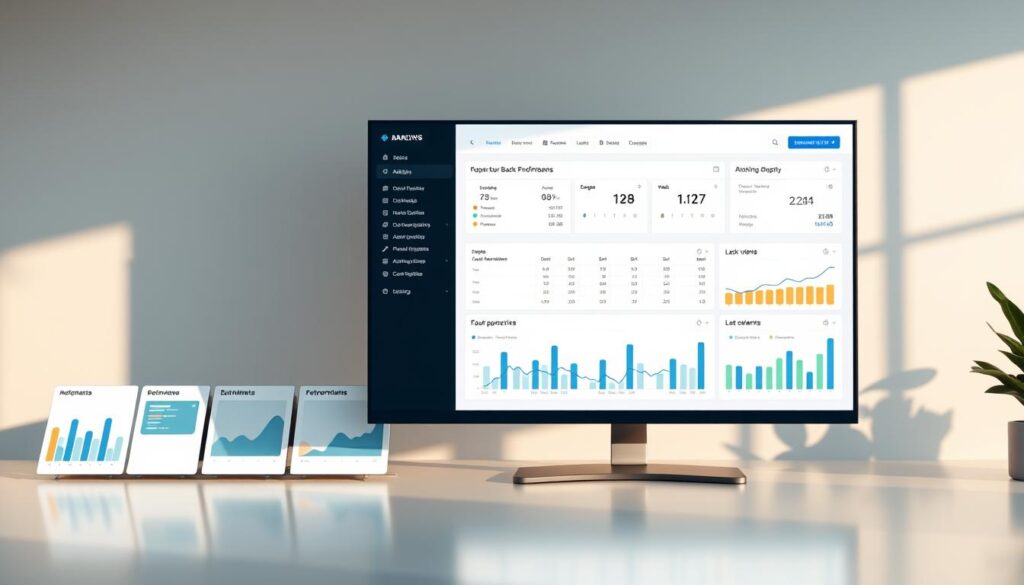
Granular data collection ensures no connection slips through the cracks. Top-tier platforms update link profiles hourly, detecting new partnerships and lost opportunities. Custom reports let users filter by metrics like domain authority or traffic impact, aligning findings with specific campaign goals.
For instance, SEO audits often reveal unexpected toxic links. Customizable dashboards highlight these risks, enabling swift removal before penalties occur. This adaptability turns overwhelming data into focused improvement plans.
Real-Time Alerts and Automated Data Collection
Immediate notifications about critical changes—like a high-quality link disappearing—help teams respond faster than competitors. Automation eliminates manual checks, freeing time for strategic tasks like content optimization.
SE Ranking’s automated system, for example, flags sudden drops in referring domains. Paired with historical data, these insights reveal patterns in your profile’s growth. This combination of speed and context transforms reactive workflows into proactive SEO mastery.
In-Depth Reviews of Top Backlink Monitoring Tools
Evaluating digital partnerships requires platforms that combine precision with adaptability. Three solutions stand out for their ability to map connection landscapes while catering to diverse expertise levels.
Spotlight on Solutions: SE Ranking, Sitechecker, RankActive
SE Ranking simplifies complex data through color-coded dashboards. Its automated reports highlight trending referring domains and sudden profile changes. Users appreciate the platform’s ability to compare historical rankings against current positions.
RankActive delivers live updates every 15 minutes—crucial for tracking volatile niches. The platform’s cross-referencing feature identifies overlapping connections with competitors. This helps refine outreach strategies by revealing untapped opportunities.
Sitechecker bridges the gap between technical analysis and practical action steps. Its built-in outreach templates help users capitalize on newly discovered partnerships. The tool’s domain health scoring system prioritizes high-impact fixes.
Comparing Established Analysis Platforms
Ahrefs dominates with its 25+ billion page index, offering unmatched historical data depth. Majestic’s Trust Flow metric remains industry gold for evaluating source credibility. Moz’s beginner-friendly interface demystifies authority scores through visual breakdowns.
| Platform | Update Frequency | Unique Metric |
|---|---|---|
| Ahrefs | Hourly | URL Rating |
| Majestic | Daily | Trust Flow |
| Moz | Weekly | Spam Score |
These platforms differ in data freshness and specialization. Ahrefs excels in real-time alerts, while Moz focuses on long-term profile growth patterns. Choosing depends on whether immediate reactions or strategic planning drive your strategy.
Comparing Metrics and Data Analysis: Quality vs. Quantity
Cutting through the noise of SEO metrics requires understanding what numbers truly drive results. Modern strategies rely on nuanced measurements that reveal a site’s actual influence rather than superficial counts.
Interpreting Domain Authority, Trust Flow, and Citation Flow
Domain Authority (DA) predicts how well a site might rank, while Trust Flow measures its credibility through high-quality connections. Citation Flow tracks how many links point to a domain, but without quality checks. Together, these metrics separate valuable partnerships from empty numbers.
For example, Majestic’s Trust Flow highlights sites with editorial integrity. Ahrefs’ URL Rating grades individual pages based on their link strength. This table shows how platforms prioritize different aspects:
| Metric | Majestic Focus | Ahrefs Focus |
|---|---|---|
| Trust Flow | Source credibility | N/A |
| Citation Flow | Link volume | N/A |
| Domain Authority | N/A | Overall site strength |
A recent case study found sites prioritizing Trust Flow over Citation Flow saw 37% faster ranking improvements. One e-commerce brand restructured its link building strategy using these metrics, removing 120 low-quality connections in three months. Their organic traffic jumped 22% during that time.
Anchor text diversity also plays a critical role. Over-optimized keyword-rich links raise red flags. Natural profiles mix branded terms, generic phrases, and raw URLs.
“Balanced anchor text signals authenticity to algorithms,”
notes SEO analyst Lisa Chen.
Advanced rank tracking tools now integrate these metrics into actionable reports. Teams save time by focusing on partnerships that move the needle rather than chasing arbitrary targets. This data-driven approach transforms guesswork into measurable growth.
Leveraging Tools for Competitor Backlink Analysis
Understanding where competitors earn their digital credibility unlocks growth opportunities. Modern platforms map rival strategies, exposing gaps in your own campaigns while revealing untapped partnerships.
Identifying Competitor Strategies and Link Opportunities
Leading solutions like Ahrefs dissect competitors’ connection networks. For example, their Content Gap feature shows which high-authority sites link to rivals but not your domain. One SaaS company used this data to secure 14 partnerships with industry blogs in 45 days.
Three steps to capitalize on competitor insights:
- Filter rival profiles by domain authority and traffic potential
- Prioritize sites with editorial guidelines matching your content
- Track new links acquired by top performers weekly
Moz’s Link Explorer simplifies this process. Its spam score filter weeds out risky domains, while historical comparisons highlight trending sources. Regular audits often uncover niche directories or forums competitors use for visibility.
| Platform | Key Feature | Use Case |
|---|---|---|
| Ahrefs | Link Intersect | Find shared partnerships |
| Moz | Spam Score | Evaluate source safety |
| SEMrush | Backlink Gap | Discover missing connections |
Focusing on comprehensive competitor analysis strategies helps replicate successes while avoiding pitfalls. Comparing metrics like trust flow versus citation flow separates valuable links from vanity metrics. This approach builds sustainable authority rather than chasing temporary gains.
Advanced Techniques in Backlink Data Monitoring
Professionals now automate complex analysis processes to maintain competitive edges. Customizable workflows transform raw data into strategic roadmaps, saving hours of manual work while boosting accuracy.
Streamlining Workflows Through Automation
Pre-built templates in platforms like SE Ranking standardize reporting across teams. Agencies use these to track anchor text ratios, content relevance, and domain authority shifts simultaneously. One digital marketing firm reduced audit time by 63% using automated scheduling for weekly checks.
Automated dashboards monitor multiple domains in real time. For example, Monitor Backlinks sends alerts when high-value connections change status. This prevents sudden drops in referral traffic from going unnoticed.
| Feature | SE Ranking | Monitor Backlinks |
|---|---|---|
| Custom Report Templates | 15+ prebuilt | Fully customizable |
| Scheduling Options | Daily/Weekly | Hourly/Daily |
| Dashboard Types | Client-focused | Multi-project |
| Integration | Google Sheets | Slack/Email |
A SaaS company improved content partnerships using these tools. Their system flagged underperforming pages needing anchor text adjustments. Monthly organic growth accelerated from 8% to 19% post-implementation.
Regular audits become effortless with scheduled domain health scans. Teams receive prioritized action lists—like removing toxic links or strengthening weak connections. This proactive approach maintains profile integrity without constant manual oversight.
Optimizing Your SEO Strategy with Backlink Monitoring Tools
Strategic SEO success hinges on connecting data points across your entire campaign. Platforms that track external partnerships reveal patterns influencing rankings, content performance, and competitor vulnerabilities. By merging these insights with broader initiatives, teams create self-reinforcing strategies that compound growth.
Integrating Monitoring Data into Your Overall SEO Campaign
Start by aligning link quality metrics with keyword targets and content calendars. For example, if competitor analysis shows industry blogs favor case studies, prioritize creating similar assets. Monthly reviews of domain authority trends help identify which partnerships drive measurable traffic increases.
One e-commerce company boosted conversions by 18% after correlating referral sources with landing page performance. They adjusted their outreach focus to websites with higher engagement rates, using real-time monitoring strategies to track impact.
Improving Link Building and Competitor Benchmarking
Competitor data exposes gaps in your profile while highlighting untapped opportunities. Follow these steps:
- Compare your top-performing content’s backlink count with rival equivalents
- Identify domains linking to competitors but not your brand
- Analyze anchor text ratios to maintain natural diversity
Regular analysis prevents stagnation. A SaaS firm increased qualified leads by 34% after revising their strategy every 6 weeks. They tracked monthly metric shifts like referral traffic duration and conversion paths.
“Consistent data review turns insights into habitual improvements,”
notes SEO lead Mark Thompson. Teams that automate reporting save 11+ hours monthly—time better spent on creative outreach or content optimization.
Conclusion
Modern SEO success hinges on strategic partnerships, not just technical prowess. The evolution from bulk link-building to precision tracking has reshaped how professionals evaluate digital credibility. Platforms like Ahrefs and Moz now deliver granular insights, turning raw data into growth roadmaps.
Regular analysis of your pages ensures only high-value connections influence rankings. Automated reports highlight emerging opportunities while flagging risky patterns before they escalate. This proactive approach maintains domain health and sustains visibility.
Whether managing a single page or entire site architecture, continuous tracking separates thriving campaigns from stagnant ones. Beginners benefit from intuitive dashboards, while experts leverage cross-platform comparisons. Both gain actionable strategies to outpace competitors.
Prioritize solutions that align with your goals—real-time alerts for rapid response or historical trends for long-term planning. Adopting these methodologies builds authority that withstands algorithm shifts. Lasting SEO achievement starts with understanding which digital relationships truly matter.
FAQ
Why do quality links matter more than quantity in modern SEO?
What features are critical when choosing a link-tracking platform?
How often should I audit my website’s inbound links?
Can I use these platforms to analyze competitors’ anchor text strategies?
How do Trust Flow and Citation Flow differ in evaluating link profiles?
What’s the fastest way to identify toxic links harming my rankings?
Can automated templates streamline reporting for SEO campaigns?
About The Author
