Rank Tracking with SERPWatcher: Monitor Your SEO Rankings
Understanding your website’s search engine performance is critical for digital success. SERPWatcher simplifies this process with a streamlined approach to monitoring keyword positions across Google. Designed for marketers at all skill levels, it prioritizes ease of use without sacrificing depth.
The tool lets users launch campaigns in minutes. Simply enter your domain and keywords on the dashboard, and it begins collecting data immediately. Daily updates ensure you’re always working with fresh insights, while historical trends reveal long-term progress.
What sets this platform apart is its focus on clarity. Instead of cluttering the interface with unnecessary features, it emphasizes core metrics like position changes and competition analysis. Integration with other Mangools products adds flexibility, allowing deeper SEO exploration when needed.
Marketers can track performance across 65,000+ locations and devices, making it ideal for localized strategies. Customizable reports and instant alerts keep teams informed, while sharing options simplify collaboration. Upcoming sections will explore advanced tactics, pricing, and how to interpret data effectively.
Key Takeaways
- Quickly set up campaigns to monitor keyword performance in real time
- Receive daily updates with accurate position tracking across devices
- Access location-specific data for hyperlocal SEO strategies
- Generate shareable reports with actionable insights
- Integrate seamlessly with complementary SEO tools
Overview of SERPWatcher Rank Tracking
Effective SEO demands constant visibility into your site’s search performance. This tool addresses this need by offering specialized monitoring capabilities for marketers seeking clarity. Unlike complex platforms, it strips away unnecessary features to focus purely on measuring progress where it matters most.

Understanding SERPWatcher’s Purpose
Built as a dedicated solution, the platform simplifies monitoring keywords rank movements across search engines. It’s part of the Mangools suite, which includes tools like KWFinder (for keyword research) and SERPChecker (for competitor analysis). Each tool serves a specific role, ensuring users avoid feature overload while gaining precise insights.
New users can test its capabilities through a free trial, which includes a temporary discount. Setup takes minutes: input your domain, select target keywords, and receive daily updates. The dashboard displays position changes, competition shifts, and organic traffic potential at a glance.
The Role of Rank Tracking in SEO Strategy
Consistent monitoring helps identify patterns. For example, improving a website’s position for high-value terms often correlates with increased clicks. Here’s how key features translate to strategic advantages:
| Feature | Benefit | Impact |
|---|---|---|
| Daily Updates | Real-time accuracy | Faster adjustments |
| Location Tracking | Localized insights | Better geo-targeting |
| Historical Data | Trend analysis | Long-term planning |
Marketers gain actionable data to refine campaigns. A bakery targeting “gluten-free desserts” could use location filters to dominate local searches. Similarly, e-commerce brands track seasonal keyword movements to optimize product pages.
Deep Dive: rank tracking with serpwatcher Features
Modern SEO requires tools that deliver precise insights without complexity. This platform excels by focusing on critical metrics while maintaining an intuitive interface. Let’s explore how its design supports data-driven decisions through actionable features.
Core Measurements That Matter
The system tracks multiple performance indicators simultaneously. Key metrics include:
| Metric | Description | Use Case |
|---|---|---|
| Current Position | Live search result placement | Immediate strategy adjustments |
| Position Change | Daily movement tracking | Campaign effectiveness analysis |
| Average Position | 30-day performance average | Long-term trend identification |
| Best Ranking | Historical peak performance | Goal setting and benchmarking |
Dynamic Data Sharing Capabilities
Teams appreciate the collaborative reporting system. Customizable dashboards generate shareable links for clients or colleagues. These live updates eliminate static PDF attachments and outdated spreadsheets.
Automatic alerts notify users about significant metric shifts. Tagging functionality helps organize keywords by campaign type or priority level. This structure enables quick filtering across large datasets.
While some platforms bundle multiple functions, this approach keeps operations streamlined. Separate specialized apps handle distinct tasks, reducing clutter while maintaining integration potential. The result? Faster load times and laser-focused analysis.
User Experience and Performance Insights
A well-designed interface transforms raw data into actionable strategies. The platform’s dashboard prioritizes clarity through smart visual organization, letting users focus on what drives results.
Dashboard Simplicity and Usability
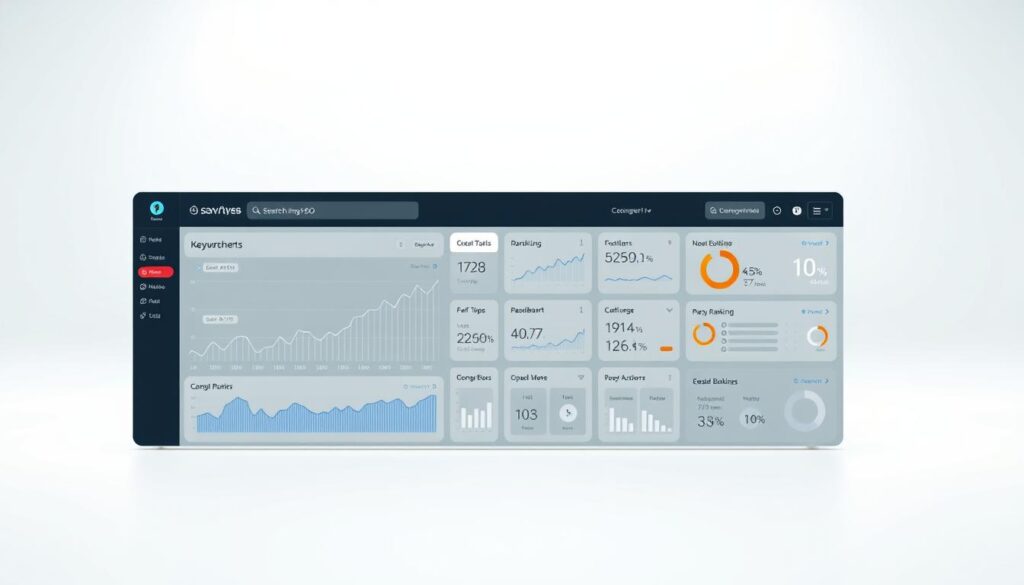
The two-column layout displays key metrics like keyword positions and historical trends at a glance. New users appreciate the intuitive design—no complex menus or hidden tools. This streamlined approach reduces training time and helps teams make faster decisions.
Switching between device views takes one click. Compare mobile versus desktop performance across multiple pages instantly. This feature reveals device-specific gaps in organic traffic acquisition.
Impact on Organic Traffic and Keyword Monitoring
Real-time updates highlight which pages gain or lose visibility daily. Marketers spot trends faster, like sudden drops for high-value keywords. These insights guide immediate content adjustments or technical fixes.
| Metric | Desktop Data | Mobile Data | Strategic Impact |
|---|---|---|---|
| Page Load Speed | 2.1s | 3.4s | Prioritize mobile optimization |
| Click-Through Rate | 8.2% | 5.7% | Adjust meta tags for mobile |
| Bounce Rate | 34% | 61% | Improve mobile content engagement |
Color-coded graphs show weekly traffic patterns, while filters isolate data for specific pages. This precision helps allocate resources to high-potential areas, boosting overall performance.
SERPWatcher Pricing, Plans, and Free Trial Details
Smart budget allocation separates successful SEO campaigns from stagnant ones. Mangools offers three subscription tiers designed for marketers at different growth stages. Each plan unlocks SERPWatcher alongside other tools like KWFinder and SERPChecker.
Mangools Subscription Options and Discounts
The Basic plan starts at $49/month, tracking 100 keywords across 5 locations. Upgrade to Premium ($69/month) for 500 keywords and 15 locations. Agencies handling large campaigns choose the Agency tier ($129/month), which monitors 1,500 keywords in 50 locations.
| Plan | Keywords | Locations | Monthly Cost |
|---|---|---|---|
| Basic | 100 | 5 | $49 |
| Premium | 500 | 15 | $69 |
| Agency | 1,500 | 50 | $129 |
New users get a 10-day trial with full feature access. No credit card is required—just an email to create your account. Upgrade during the trial to lock in a permanent 20% discount on any plan.
Comparative Value Versus Competitors
While Ahrefs charges $99/month for basic rank tracking, Mangools bundles five SEO tools at lower prices. Freelancers and affiliates particularly benefit from the group management feature, which organizes client projects efficiently.
“The location filters helped us optimize city-specific campaigns without overspending.”
Monthly billing provides flexibility, while annual payments save 15%. Teams managing multiple locations or niche sites find the Agency plan’s scalability crucial for growth.
Data-Driven Reporting and Integration with Mangools Tools
Accurate data transforms SEO strategies from guesswork to precision. SERPWatcher delivers this through dynamic visual reports that highlight patterns in keyword movements and content performance. Teams gain clarity without drowning in spreadsheets, thanks to color-coded graphs and real-time dashboards.
Interactive Reports and Scheduled Alerts
Customizable charts break down search trends by device type, location, and date range. Users spot opportunities faster—like sudden traffic drops for high-value keywords. Automatic email alerts notify teams about significant position changes or traffic spikes, enabling swift adjustments.
Weekly reports compare current metrics against historical averages. This helps identify seasonal patterns or campaign fatigue. For agencies managing multiple clients, tagging features organize data by project or priority level.
Seamless Integration with Mangools Ecosystem
One-click exports send keyword lists from KWFinder to SERPWatcher for tracking. Competitor data from SERPChecker appears alongside your own metrics, revealing gaps in content quality or backlink profiles.
Shared dashboards let collaborators filter results by specific topics or pages. This unified approach eliminates tool-switching fatigue. As one marketer noted:
“Combining link analysis with rank data cut our research time in half.”
Granular filters isolate data for local markets or device types. These insights inform everything from meta tag updates to regional content creation, ensuring strategies align with actual search behavior.
Optimizing Your SEO Strategy with SERPWatcher
Turning raw metrics into actionable plans separates thriving websites from stagnant ones. The right data reveals which search terms drive traffic and which need refinement. Daily insights help marketers pivot quickly, adapting to algorithm shifts and user behavior changes.
Leveraging Data for Better Keyword Decisions
Reviewing daily fluctuations in keyword positions highlights emerging opportunities. For example, a phrase moving from #12 to #8 might signal rising relevance. Pair this with click-through rates to prioritize content updates. Tools like the step-by-step guide show how to filter results by device type or region for granular insights.
Weekly trend reports expose seasonal patterns. A swimwear brand might notice increased searches for “UV-protective bikinis” every April. This allows proactive content creation before demand peaks.
Tips to Enhance Overall SEO Performance
Use SERP features to reverse-engineer competitor success. If rivals dominate featured snippets for “best hiking boots,” analyze their content structure. Emulate what works while adding unique value like video comparisons or sizing charts.
Track long-tail phrases with steady growth. These often convert better than broad terms. For instance, “vegan meal prep for beginners” attracts targeted visitors versus generic “healthy recipes.”
“Comparing mobile vs desktop rankings helped us fix layout issues that hurt conversions.”
Regularly audit underperforming pages using position history. Pages stuck between #15-30 might need meta tag adjustments or internal linking boosts. Focused tweaks based on concrete metrics yield faster improvements than guesswork.
Conclusion
Effective SEO hinges on precise data paired with actionable insights. SERPWatcher delivers both through daily updates and location-specific analysis, making it a practical choice for marketers focused on measurable growth. Its intuitive dashboard simplifies monitoring keyword groups while maintaining depth through historical trend tracking.
The tool excels at answering critical questions about search performance. Interactive reporting features reveal patterns in organic visibility, while seamless integration with other Mangools products enhances cross-platform workflows. For teams managing multiple projects, keyword grouping saves time and streamlines collaboration.
Though designed for simplicity, it doesn’t compromise on verification. Users can verify ranking accuracy through SERP screenshots and location-specific checks—features that address common concerns about data reliability. Regular analysis becomes effortless with automated alerts highlighting significant shifts.
While larger enterprises might need more advanced options, SERPWatcher remains ideal for small businesses and solo marketers. It transforms complex metrics into clear strategies, proving that powerful SEO tools don’t require endless learning curves. Consistent use leads to smarter decisions, better content, and sustainable organic growth.
FAQ
What metrics does SERPWatcher track for SEO performance?
How often does SERPWatcher update ranking data?
Can I group keywords by topic or campaign in SERPWatcher?
Does SERPWatcher offer a free trial?
How does SERPWatcher improve organic traffic decisions?
Is SERPWatcher compatible with other SEO platforms?
What makes SERPWatcher’s alerts system unique?
How does SERPWatcher handle multi-location tracking?
About The Author
