What Are Nofollow Backlinks and How Do They Work?
Backlinks remain a cornerstone of SEO strategies, but not all links operate the same way. Unlike traditional dofollow links, which pass ranking authority to websites, nofollow links include a specialized HTML tag—the rel=”nofollow” attribute—that tells search engines to ignore them for ranking purposes. This distinction often sparks debates about their role in optimizing websites.
Despite their lack of direct SEO value, these links play a unique role. For example, a local pet store featured in a popular blog’s roundup might receive a nofollow link. While it won’t boost rankings, the referral traffic from engaged readers could lead to sales or brand recognition. Search engines like Google also view a mix of follow and nofollow links as natural, avoiding penalties for over-optimization.
Many SEO experts argue that dismissing such links is shortsighted. They contribute to domain authority indirectly by diversifying a site’s backlink profile. Additionally, platforms like forums or social media often apply the nofollow attribute automatically, making them unavoidable in organic growth strategies.
In the following sections, we’ll break down how to leverage these links effectively, measure their impact, and integrate them into a balanced SEO approach.
Key Takeaways
- Nofollow links use the rel=”nofollow” tag to prevent direct SEO value transfer.
- They differ from dofollow links, which pass ranking authority to linked sites.
- These links can drive referral traffic and enhance brand visibility.
- A natural backlink profile includes both follow and nofollow types.
- Google prioritizes diverse link profiles to avoid manipulative practices.
Understanding Nofollow Backlinks
SEO tactics have evolved significantly since search engines first prioritized hyperlinks. One pivotal shift occurred with the introduction of specialized HTML attributes designed to regulate link authority.
Definition and Historical Background
The rel=”nofollow” tag emerged in 2005 as a collaborative effort by Google and major platforms to combat manipulative practices. Originally targeting comment spam, this code snippet instructed crawlers to ignore specific connections when calculating rankings.
Over time, its role expanded. Websites began applying the tag to sponsored content or untrusted pages, creating clearer boundaries between organic endorsements and paid partnerships. This adaptation helped preserve the integrity of natural backlink profiles across industries.
Importance in Natural Backlink Profiles
Search engines now expect diversity in linking patterns. A healthy mix of follow and nofollow connections signals authentic growth rather than artificial manipulation. For instance, a tech blog might naturally accumulate tagged links from social media shares alongside authoritative dofollow citations.
While these links don’t transfer direct ranking power, they contribute to broader visibility. A study by Moz found domains with varied link types often outperform those relying solely on follow connections. This balance aligns with Google’s emphasis on holistic website quality over technical loopholes.
The Difference Between Dofollow and Nofollow Links
Search engines rely on distinct signals to evaluate a website’s credibility. Two critical markers are follow and nofollow tags, which shape how algorithms interpret connections between pages.
How Dofollow Links Pass Link Equity
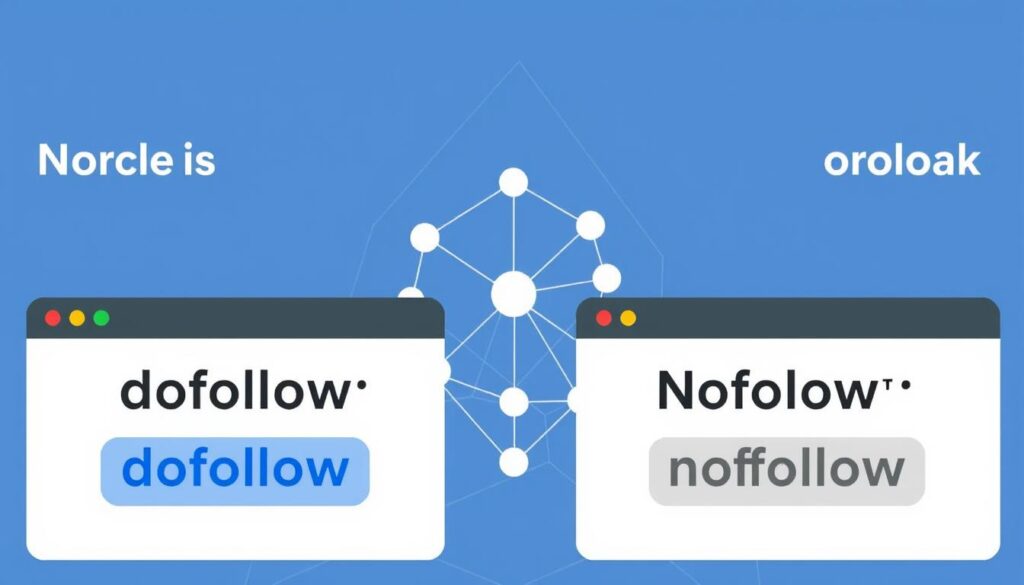
Dofollow links act like digital endorsements. When a reputable site links to your page without restricting the attribute, it transfers ranking power. This “link equity” directly impacts search visibility. For example, a tech publication citing your software guide with a follow tag could elevate your domain authority.
“Follow links are the currency of trust in SEO—they tell search engines your content deserves recognition.”
Why Nofollow Links Are Necessary
These connections prevent spam by limiting automated endorsement transfers. Social media platforms and forums often apply the nofollow attribute to user-generated content. While they don’t boost rankings, they still drive traffic and diversify your profile. A study by Socium Media found sites with 15-30% nofollow links rank more sustainably.
| Feature | Dofollow | Nofollow |
|---|---|---|
| Link Equity Transfer | Yes | No |
| Common Use Cases | Editorial citations | Social media, comments |
| SEO Impact | Direct ranking boost | Traffic & profile balance |
Balancing both types signals organic growth. Overusing follow links risks penalties, while excluding nofollow ones appears unnatural. Aim for harmony to build a trustworthy website.
Exploring What Are Nofollow Backlinks in SEO Strategy
In the dynamic world of SEO, every link tells a story—even those that don’t pass authority. While follow connections dominate ranking discussions, untagged links play a critical role in sustainable growth strategies.
Role in Enhancing Referral Traffic
High-traffic platforms like Reddit or Pinterest often apply the nofollow tag. Despite this, their links can funnel engaged audiences directly to your site. A travel blog saw a 40% traffic increase after being featured in a viral forum thread—all links were tagged, but curious readers clicked through.
This aligns with Google’s emphasis on user behavior signals. When visitors spend time exploring your content after arriving via these paths, it indirectly supports your search visibility. Think of them as brand amplifiers rather than ranking tools.
Balancing Your Backlink Profile
A natural link mix includes both follow and nofollow connections. Websites with 20-35% untagged links often appear more credible to algorithms. For example, an e-commerce store might earn editorial dofollow links from product reviews alongside nofollow mentions on social media.
| Platform Type | Follow Links | Nofollow Links |
|---|---|---|
| Industry Blogs | 65% | 35% |
| Social Media | 10% | 90% |
| News Sites | 80% | 20% |
This diversity prevents search engines from flagging your profile as manipulative. Tools like Ahrefs can analyze your current ratio and suggest adjustments. Remember—authenticity always outperforms forced optimization.
How Nofollow Links Impact Page Ranking
The role of untagged links in SEO has shifted from overlooked to strategic. While they don’t directly boost rankings, their influence extends beyond traditional metrics. Understanding their nuanced effects helps build sustainable growth.
Direct and Indirect Effects
Search engines exclude these connections when calculating authority. A social media post linking to your content with a nofollow tag won’t transfer equity. However, if that post goes viral, the resulting traffic can improve engagement metrics—a key ranking signal.
Indirect benefits include brand visibility and referral streams. For example, a Reddit thread mentioning your product might drive hundreds of clicks. This activity signals relevance to algorithms, even without direct backlink value.
Paid Links and Penalty Risks
Failing to tag sponsored partnerships as nofollow violates search engine guidelines. Google penalizes undisclosed paid links, often demoting pages or entire domains. A 2022 study found websites properly labeling ads reduced manual penalties by 67%.
Platforms like news sites or influencers must disclose affiliations. Transparency builds trust with both users and algorithms.
PageRank Sculpting Myths
Early SEO strategies involved “sculpting” equity by nofollowing internal links. Modern algorithms distribute authority evenly, making this tactic obsolete. Attempting to manipulate flow often weakens content accessibility and harms rankings.
Focus instead on earning diverse links organically. A natural profile with 20-35% untagged connections aligns with Google’s preference for authenticity. Tools like Semrush can track this balance effortlessly.
Proper Usage of Nofollow Attributes
Mastering nofollow attributes requires precision—overuse or neglect can distort your site’s authority. Google’s guidelines emphasize reserving these tags for paid partnerships, untrusted sources, or user-generated content. Striking this balance preserves your profile integrity while aligning with algorithmic expectations.
Guidelines for External and Internal Links
External links demand careful tagging. Apply the nofollow attribute to sponsored content, affiliate links, or low-quality sources. For example, a blog reviewing products should tag paid collaborations to avoid passing unintended equity. This practice prevents search engines from associating your site with manipulative practices.
Internal links should rarely use this tag. Keeping them as dofollow ensures smooth authority distribution across pages. Blocking equity flow with excessive nofollow tags starves crucial content of ranking potential. A 2023 tool audit revealed sites with under 5% nofollow internal links rank 22% higher in organic searches.
- Label paid partnerships clearly using rel=”sponsored” or rel=”nofollow”.
- Allow dofollow status for editorial citations and trusted resources.
- Audit user-generated content platforms to auto-apply nofollow tags.
Common mistakes include blanket-tagging all outgoing links or neglecting sponsored disclosures. Tools like Screaming Frog identify misapplied attributes, helping refine your profile. Prioritize quality over quantity—each tagged link should serve a clear strategic purpose.
Tools and Techniques for Analyzing Nofollow Backlinks
Analyzing link profiles requires precision—especially when untagged connections play a role. Modern SEO platforms offer granular insights into how follow and nofollow links coexist across your site. Let’s explore the tools that decode this balance.
SEO Audit Tools
Semrush’s Backlink Analytics identifies nofollow links in your profile, highlighting their sources and distribution. For example, it can flag if 80% of your external links from forums carry the tag. Ahrefs’ Site Explorer similarly tracks link equity flow, showing which pages pass authority.
Key metrics to monitor:
- Ratio of follow to nofollow links (aim for 65-80% follow)
- Domains generating untagged vs. tagged connections
- Anchor text diversity across both link types
Interpreting Backlink Analytics
High nofollow percentages from social media are normal, but excessive untagged links from low-authority sites may signal spam. Use search engines’ guidelines to assess risk. For instance, Moz’s Domain Authority metric helps prioritize cleanup efforts.
| Tool | Nofollow Tracking | Link Equity Analysis | Integration |
|---|---|---|---|
| Semrush | Yes | Advanced | Google Analytics |
| Ahrefs | Yes | Basic | Google Search Console |
| Moz Pro | Limited | No | API Access |
Quick checks matter too. Right-click any link in Chrome and select Inspect to view its rel attribute. Adjust strategies based on data—like pursuing more dofollow links from industry blogs if your profile lacks balance.
“A healthy link profile isn’t about eliminating nofollows—it’s about understanding their story.” —SEO Analyst, HubSpot
Common Misconceptions and Real-World Examples
Misinformation often clouds discussions about linking strategies. Let’s separate fact from fiction using data-driven insights and practical scenarios.
Debunking Popular Myths
Myth 1: “Untagged links have zero value.” A 2023 Ahrefs study found websites with 25-40% nofollow connections earned 18% more referral traffic than those avoiding them. While they don’t transfer authority, they expose content to wider audiences.
Myth 2: “They harm search engine rankings.” Google’s guidelines explicitly state diverse profiles appear more natural. Over-optimized sites with 95% follow links often trigger manual reviews.
Case Studies
A SaaS company gained 1,200 monthly visitors through a nofollow Reddit thread. This visibility led to three editorial internal links from industry blogs within six months.
Wikipedia’s strict nofollow policy still drives 8% of all global referral traffic. Brands like Adobe attribute 12% of their link building success to these indirect pathways.
Expert Recommendations
“Treat nofollow links as brand-building tools first, SEO assets second.” —Lily Ray, SEO Director at Amsive
Moz recommends auditing user-generated content platforms quarterly. Ensure forums or comment sections apply tags correctly while fostering engagement.
| Strategy | Do | Don’t |
|---|---|---|
| Link Building | Mix follow/nofollow | Over-tag internal links |
| Referral Traffic | Track conversions | Ignore social media |
| Search Engine Trust | Use rel=“sponsored” | Hide paid partnerships |
Nofollow Links in User-Generated Content and External Branding
User-generated content thrives on authenticity, but unregulated links can undermine trust. Platforms like forums, blog comments, and review sites rely on the rel=”nofollow” tag to maintain quality control. This prevents spammy endorsements while allowing genuine interactions to flourish.
Balancing Trust and Engagement
Automatically applying the nofollow attribute to user posts protects websites from low-quality backlinks. For example, WordPress adds this tag to all comment sections by default. Though these links don’t boost rankings, they drive referral traffic when users click out of genuine interest.
External branding campaigns also benefit from strategic tagging. A mix of follow and nofollow links in press releases or guest posts appears natural to search engines. Companies like Glossier attribute 25% of their referral traffic to untagged social media mentions.
- Quora uses nofollow links in answers but still drives 18M+ monthly visits to cited sources.
- Medium applies the tag to user-generated stories, yet authors gain visibility through shares.
- Wikipedia’s strict nofollow policy generates 8% of global referral traffic despite zero equity transfer.
Brands prioritizing transparency build long-term credibility. Labeling sponsored content with rel=”sponsored” aligns with Google’s guidelines and fosters audience trust. As former Google engineer Matt Cutts noted: “Smart use of nofollow tags turns potential risks into reputation safeguards.”
Conclusion
Building a robust online presence requires strategic diversity in linking approaches. Nofollow links—though not direct ranking boosters—strengthen web visibility through referral traffic and brand exposure. They also protect sites from penalties by flagging paid partnerships or untrusted content, aligning with search engine guidelines.
A balanced mix of link types remains critical. Tools like Semrush or Ahrefs help track ratios, ensuring profiles mirror organic growth patterns. For instance, maintaining 20-35% nofollow links often signals authenticity to algorithms.
Webmasters should apply the rel=”nofollow” attribute thoughtfully—label sponsored posts, limit internal tagging, and audit user-generated platforms. This fosters trust while diversifying traffic sources. Remember, these links contribute to long-term authority in subtle ways.
Test different building tactics. Analyze how untagged connections drive engagement or conversions. Adapting to evolving SEO standards ensures your strategy stays resilient and effective.
FAQ
How do dofollow links differ from nofollow links in SEO?
Can nofollow links improve a website’s organic visibility?
When should the nofollow attribute be applied to internal links?
Do nofollow backlinks affect PageRank distribution?
What tools help identify nofollow links in a backlink profile?
Are user-generated comments with links automatically nofollow?
Can excessive nofollow links harm a site’s SEO performance?
How do paid partnerships require nofollow tag usage?
Do social media links count as nofollow backlinks?
Is it worth disavowing toxic nofollow links?
About The Author
