How to Track Local SEO Performance | Boost Your Local SEO
Understanding the impact of your digital marketing efforts is critical for businesses aiming to stand out in their communities. Without measuring progress, it’s impossible to know what’s working—or where adjustments are needed. This is especially true for strategies focused on improving visibility in location-based searches.
Monitoring metrics like local pack rankings and Google Business Profile insights reveals actionable opportunities. For example, tracking organic search improvements helps identify which content resonates with nearby customers. Tools like Local Falcon simplify this process by automating data collection and highlighting trends.
Consistent analysis ensures your strategy aligns with real-world results. Whether boosting foot traffic or refining online listings, reliable analytics turn guesswork into confident decisions. Combining multiple data points—from search trends to customer reviews—creates a complete picture of your digital presence.
Key Takeaways
- Measuring progress is essential for optimizing location-based search visibility.
- Local pack rankings and Google Business insights drive actionable improvements.
- Advanced tools automate data tracking to save time and reduce errors.
- Regular analysis helps align strategies with measurable outcomes.
- Combining multiple metrics provides a holistic view of online performance.
Understanding Local SEO Fundamentals
Local SEO acts as a digital compass, directing nearby customers to your doorstep. It’s the practice of optimizing online content to attract audiences in specific geographic areas. For brick-and-mortar stores or service providers, this strategy bridges the gap between physical presence and digital discoverability.
What Is Local SEO and Why It Matters?
At its core, local SEO focuses on improving visibility in location-based queries. When someone searches for “coffee shops near me” or “plumbers in Dallas,” businesses with optimized profiles appear first. Accurate listings on platforms like Google Business Profile and directories ensure your address, hours, and services are easily accessible.

Precise keywords like “best yoga studio in Austin” or “affordable HVAC repair” help search engines connect your offerings to user intent. According to a comprehensive local SEO guide, businesses ranking in the top three local results receive 44% of clicks. This makes refining your profile and content critical for capturing nearby markets.
The Role of Local Metrics in Digital Success
Tracking metrics like organic traffic from local searches or review sentiment reveals what drives customer decisions. For example, a restaurant might notice that 70% of website visits come from searches for “gluten-free pizza.” This data informs menu updates or blog content targeting those preferences.
Consistency across listings—name, address, phone number—builds trust with search algorithms and customers. Regular updates to business hours or holiday closures prevent frustration and improve rankings. Combining these efforts creates a ripple effect: higher visibility leads to more foot traffic, reviews, and revenue.
Mastering Essential Local SEO Metrics
Effective digital strategies thrive on measurable outcomes. For neighborhood-focused businesses, specific indicators reveal whether your efforts connect with nearby audiences. Prioritizing these metrics helps allocate resources wisely while identifying growth opportunities.
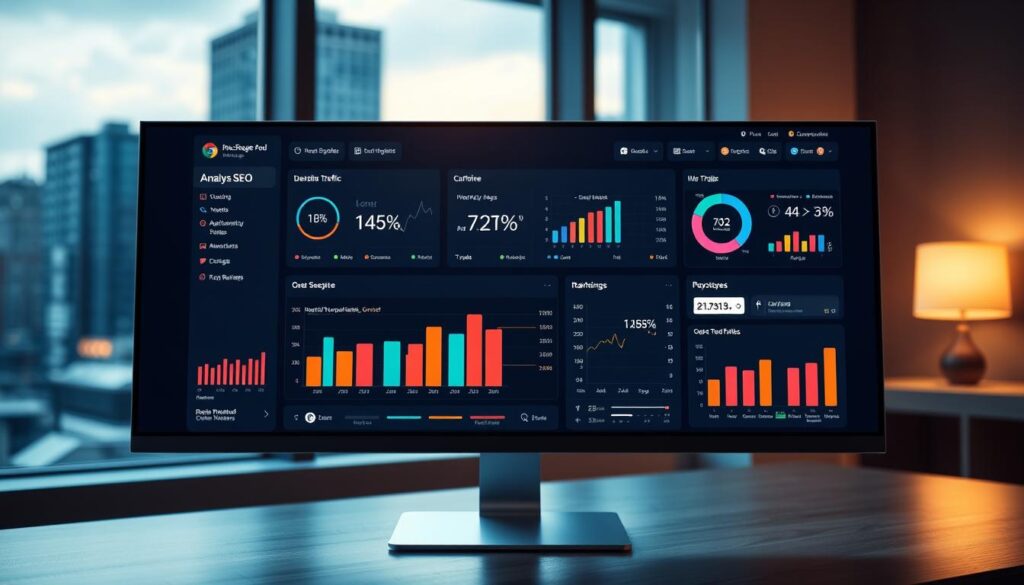
Key Metrics: Local Pack Rankings, Organic Rankings, and Traffic
Local pack rankings determine visibility in Google’s map-based results. Businesses appearing here receive 28% more clicks than those below. Combine this with organic search positions for phrases like “emergency electrician near me” to gauge overall discoverability.
Your website remains critical. Monitor traffic sources in Google Analytics—look for spikes from location-specific pages or service-area keywords. Tools like Google Business Profile Insights show how often users call, request directions, or visit your site directly from listings.
Importance of Reviews, Citations, and Customer Engagement
Positive reviews build credibility. A key metrics guide notes businesses with 50+ reviews see 30% higher click-through rates. Respond promptly to feedback, addressing concerns publicly to demonstrate accountability.
Accurate listings across directories ensure search engines recognize your business details. Track citation consistency using platforms like Moz Local. For example, mismatched phone numbers or addresses can confuse both algorithms and customers.
“Local search success hinges on blending technical accuracy with human-centered interactions.”
Integrate data from website forms, chat logs, and call tracking software. These interactions highlight which services resonate most—use this insight to refine content and service pages.
How to Track Local SEO Performance
Consistent visibility in neighborhood searches demands more than setup—it requires precision. Start by identifying target keywords tied to your service area, like “dentist in Phoenix” or “24-hour gym.” Tools like local rank trackers map your position across ZIP codes, revealing gaps in reach.
Step-by-Step Process for Monitoring Your Performance
First, configure Google Search Console to filter location-based queries. Weekly scans highlight which pages drive traffic from nearby users. Next, track local pack positions using heatmap tools—this shows where competitors outrank you geographically.
Monthly competitor reports uncover patterns. For example, a bakery might discover rivals ranking higher for “custom birthday cakes” due to optimized service pages. Adjust content and metadata to mirror these findings while maintaining originality.
Overview of Local Rank Trackers and Reporting Tools
Automated platforms simplify trend analysis. Scan reports compare rankings over time, while heatmaps visualize dominance in specific neighborhoods. A hardware store using these tools might notice rising visibility for “snow shovel repairs” during winter—a cue to prioritize seasonal content.
Regular audits ensure listings match across search engines and directories. One inconsistency in phone numbers or addresses can derail progress. Pair automated alerts with quarterly manual checks to maintain accuracy.
Utilizing Google Business Profile and Analytics Tools
Digital tools transform raw data into actionable strategies for neighborhood-focused businesses. By merging insights from Google Business Profile with analytics platforms, you gain clarity on what drives customer decisions.
Maximizing Google Business Profile Insights
A fully optimized profile acts as a 24/7 storefront. Track profile views and customer actions like “Get Directions” clicks to identify peak interest times. For example, a bakery might notice 40% of website visits originate from their profile during weekend mornings.
Monitor how often users call your business directly from listings. These phone number interactions signal high-intent customers. Pair this data with review trends to address recurring feedback—like updating parking information or expanding service hours.
Leveraging Google Analytics and Search Console for Local Data
Google Analytics segments location data to show which neighborhoods generate the most traffic. Filter reports by city or ZIP code to see how local keywords perform. A hardware store might discover “garage door repair in Tempe” drives 25% of their organic visits.
Search Console filters location-based search queries. Identify phrases where you rank on page two—optimizing these could boost visibility. Combine this with social media referral data to see which platforms drive local engagement.
| Tool | Key Metrics | Impact |
|---|---|---|
| Google Business Profile | Profile views, direction requests | +33% conversion rate for updated listings |
| Google Analytics | City-level traffic, session duration | Identifies top-performing local keywords |
| Search Console | Geo-specific queries, click-through rates | Reveals untapped search opportunities |
Weekly audits ensure data accuracy across platforms. Sync holiday hours on your profile with website announcements to avoid conflicts. Use call tracking via phone number variations to measure campaign effectiveness.
Leveraging Competitor Analysis and Customer Feedback
Outsmarting nearby competitors requires more than luck—it demands insight. Analyzing rivals’ strategies reveals gaps in your approach while customer input highlights real-world preferences. Together, these elements form a roadmap for dominating neighborhood searches.
Using Competitor Reports and Trend Analysis for Improvement
Monthly competitor reports uncover patterns in rankings and engagement. A landscaping company might notice rivals ranking higher for “drought-resistant plants” due to detailed service pages. Adjusting content to address these gaps can boost visibility.
Trend analysis over 6-12 months shows seasonal opportunities. For example, a gym could discover rising searches for “outdoor boot camps” every spring. Aligning promotions with these trends captures motivated customers.
| Competitor | Local Rankings | Avg. Reviews | Local Backlinks |
|---|---|---|---|
| Business A | 2.8 | 4.5★ | 45 |
| Business B | 3.5 | 4.2★ | 28 |
| Your Business | 4.1 | 4.7★ | 33 |
Building Local Backlinks and Enhancing Citation Consistency
Local partnerships drive authoritative backlinks. A bakery collaborating with a food blog gains mentions like “best sourdough in Austin.” These links signal credibility to search engines.
Citation errors confuse customers and algorithms. Tools like BrightLocal scan directories for mismatched phone numbers or addresses. Fixing inconsistencies improves trust and rankings.
Customer feedback directly shapes SEO tactics. A salon adding “keratin treatments” after repeated requests sees 20% more bookings. Updating profiles and content to reflect these changes fuels sustained growth.
Conclusion
Dominating neighborhood searches starts with combining the right tools and insights. Platforms like Google Business Profile and analytics software turn raw numbers into strategies that attract nearby customers. By merging competitor reports, review trends, and traffic patterns, businesses gain clarity on what drives decisions.
Focus on actionable steps: prioritize directories for citation accuracy, leverage heatmaps for geographic gaps, and audit websites for local keyword alignment. Regular checks ensure listings match across search engines, building trust with algorithms and audiences.
Success hinges on consistency. Monthly audits of data from multiple sources—like social referrals and call logs—highlight growth opportunities. Explore our guide on key indicators for local visibility to refine your approach.
Stay proactive. Small, data-driven tweaks compound into lasting visibility. Pair automation with human insight to outpace competitors and connect with your community.
FAQ
What tools help monitor Google Business Profile performance?
Why are local keywords critical for rankings?
How do reviews impact local search results?
What’s the role of citations in local SEO?
Can social media affect local search visibility?
How often should I check local SEO metrics?
About The Author
