Free Backlink Checker: Analyze Your Backlinks Instantly
In today’s competitive SEO landscape, understanding your website’s strengths and weaknesses is non-negotiable. According to Google, content quality and authoritative links remain the top ranking factors, as highlighted by Andrey Lipattsev, Search Quality Senior Strategist. This means even the best content needs support from a strong linking strategy to outperform competitors.
That’s where a free backlink checker becomes invaluable. This tool lets you instantly evaluate your site’s link profile, identify high-value connections, and uncover opportunities for growth. Whether you’re auditing your own site or researching competitors, it provides actionable insights without complex setups.
Here’s why this matters: every link pointing to your site acts like a vote of confidence in Google’s eyes. By analyzing anchor text patterns and source authority, you can refine your link-building strategy to focus on partnerships that drive real results. Pair this with quality content, and you’ll create a foundation for sustainable organic growth.
Key Takeaways
- Google prioritizes content and authoritative links as core ranking signals
- Instant analysis tools help identify your most valuable inbound links
- Competitor backlink research reveals untapped partnership opportunities
- Simple interfaces make technical SEO accessible to all skill levels
- Balancing content excellence with strategic linking delivers long-term success
Understanding the Power of Backlinks for SEO
Backlinks are the digital endorsements that search engines trust to rank your content. When another website links to your pages, it signals credibility and expertise. These connections form the backbone of how search algorithms evaluate your site’s authority.

What Are Backlinks?
Think of backlinks as recommendations between websites. A follow link passes authority to your page, while a nofollow link doesn’t influence rankings directly. Brands like HubSpot prioritize earning follow links from industry leaders to boost their visibility. For example, Backlinko’s research shows sites with diverse link types often rank higher due to natural linking patterns.
Why Backlinks Matter for Your Search Rankings
High-quality links act like trust signals to Google. They improve your site’s ability to compete for competitive keywords and drive referral traffic. A travel blog gaining a link from a respected tourism board, for instance, could see immediate ranking improvements. Search algorithms favor relevance too—links from related niches carry more weight than random connections.
Focus on building relationships with authoritative sites in your field. This creates a sustainable strategy that avoids penalties from artificial link schemes. Over time, these partnerships compound, making your content more discoverable and credible.
Free Backlink Checker: How It Works
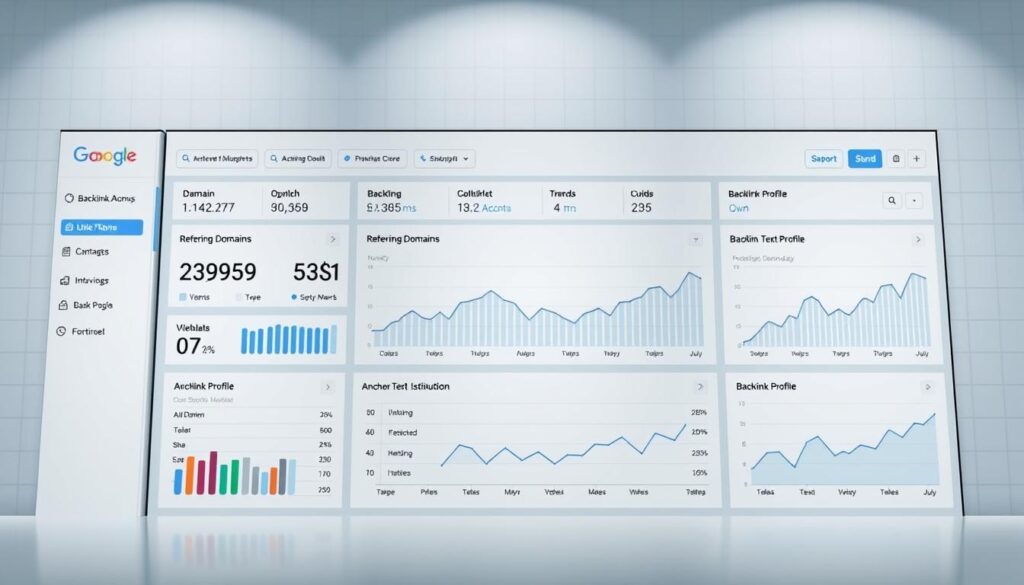
Modern SEO tools transform complex data into clear strategies. Our solution scans millions of web pages to map connections pointing to your site. It prioritizes links based on authority scores, relevance, and potential traffic impact.
Tool Features and Benefits
The platform identifies high-value connections using SEMrush Domain Authority scores. You’ll see which sites drive real traffic and which need improvement. Key features include:
- Filtering by follow/nofollow status and anchor text diversity
- Exportable reports for team collaboration in Excel or Google Sheets
- Side-by-side comparisons with competitor link profiles
Decoding Key Metrics and Data
Domain Authority scores reveal a site’s influence, while referring domains show your content’s reach. Anchor text statistics highlight optimization opportunities—balanced ratios prevent over-optimization penalties.
Traffic estimates help prioritize outreach targets. For deeper insights, pair this tool with a comprehensive link analysis tool to track historical trends and spam risks.
Using the backlink checker free for Your Website
Analyzing your website’s link profile unlocks hidden opportunities for growth. Start by entering your domain or specific page URL into the tool. This reveals every connection pointing to your content, from industry partnerships to casual mentions.
How to Analyze Your Backlink Profile
Reviewing an entire site shows your overall authority across pages. Checking individual URLs highlights top-performing content. For example, a product page with high Domain Authority links might outperform blog posts with weaker connections.
Focus on referring domains that align with your niche. A cooking site benefits more from food bloggers than unrelated tech sites. Tools filter results by relevance, helping you prioritize partnerships.
Watch for imbalanced anchor text ratios. If 80% of links say “best running shoes,” search engines may flag manipulation. Aim for natural variations like brand names or descriptive phrases.
Metrics like Domain Authority scores and link growth trends reveal SEO health. Sudden drops could indicate lost partnerships or penalties. Regular audits help maintain a profile that search engines trust.
Leveraging Competitor Backlink Analysis
Uncovering your rivals’ digital playbook can reveal hidden pathways to organic growth. By studying where competitors earn endorsements, you gain insights into untapped partnerships and content formats that resonate with audiences.
Identifying Competitors’ Strategies
Start by analyzing which pages attract the most links for industry leaders. Tools like competitor analysis platforms show patterns in anchor text usage and source diversity. For example, a SaaS company might discover competitors earn links through case studies shared by clients.
Look for gaps between your profile and theirs. If 60% of their links come from educational institutions while yours rely on blogs, this signals new outreach directions. Prioritize domains with high authority scores that align with your niche.
Spotting Link Building Opportunities
Track where competitors gain mentions but lack formal links. A product review mentioning their brand without a hyperlink becomes a traffic recovery opportunity. Create superior content around these topics, then pitch it to the same publishers.
Compare referral patterns using these steps:
- Export competitor link sources sorted by domain authority
- Identify overlapping partners for relationship expansion
- Analyze their top-performing content types and formats
This approach helps refine your strategy to focus on building connections that deliver measurable results. Regular monitoring ensures you adapt as industry trends evolve.
Effective Strategies to Improve Your Backlink Profile
Building a robust online presence requires more than just content—it demands strategic connections. Auditing your existing links helps identify weak spots while uncovering growth opportunities. Start by evaluating which partnerships drive traffic and which need revitalization.
Lost Link Recovery Techniques
Broken links harm your site’s credibility. Use tools to scan for 404 errors pointing to your content. Redirect these URLs to relevant pages to preserve authority. For example, an outdated product page could funnel visitors to newer inventory.
Analyze competitor profiles to find gaps in your strategy. If they have 40% more referring domains from educational sites, prioritize similar partnerships. Tools that compare domain authority scores help focus efforts on high-impact opportunities.
Relationship and Outreach Building
Collaborate with industry influencers to earn endorsements naturally. Share their content, then propose co-created resources like guides or webinars. This builds trust while increasing visibility across their network.
Track metrics like link growth and referral traffic to measure results. Focus on sources with high domain authority scores and relevance to your niche. Over time, these connections signal value to search engines, improving rankings organically.
Regularly update outreach lists based on performance data. Prioritize publishers whose content aligns with your audience’s interests. This creates a sustainable cycle of quality connections that drive measurable outcomes.
Decoding Backlink Metrics and Quality Indicators
Measuring the strength of your website’s connections requires more than just counting links. Metrics reveal whether those connections boost your visibility or weigh down your rankings. Let’s break down the numbers that matter most.
Understanding Domain Authority and Referring Domains
Domain Authority (DA) scores predict how well a site ranks. Sites with DA above 60 often drive better results. For example, a tech blog linking from a DA 85 news outlet gains more value than 10 links from DA 20 blogs.
| Metric | Definition | Ideal Range |
|---|---|---|
| Domain Authority | Website’s ranking potential | 40-100 |
| Referring Domains | Unique sites linking to you | 100+ for competitive niches |
| Anchor Text | Clickable text in links |
Referring domains show your content’s reach. A travel site with 200 referring domains typically outperforms one with 50. Tools like Moz or Ahrefs track these metrics automatically.
Evaluating Anchor Text and Link Placement
Anchor text should blend naturally into content. Overusing keywords like “check backlinks” raises red flags. Instead, aim for phrases like “comprehensive guide” or brand names.
“Links placed in body content perform 3x better than footer links,” notes an SEO analyst at Search Engine Journal.
Context matters too. A fitness site earns trust when linked from workout tutorials rather than unrelated recipe posts. Tools analyze placement patterns to highlight unnatural links.
Prioritize metrics that align with Google’s E-A-T principles. High-authority links in relevant content contexts signal expertise. This approach builds a link profile search engines reward.
Navigating Link Types: Follow, Nofollow, and More
Not all website connections are created equal—some boost rankings while others drive traffic through different channels. Understanding these distinctions helps prioritize partnerships that align with your goals.
Impact of Follow vs. Nofollow Links
Follow links directly influence search rankings by passing authority from one site to another. These endorsements are gold for improving domain metrics and competing for high-value keywords. For example, a .edu site linking to your research page with a follow tag can lift your URL’s visibility.
Nofollow links don’t transfer ranking power but still offer benefits. A popular blog using nofollow tags might send referral traffic that converts better than some follow links. As one SEO analyst notes:
“Nofollow links from high-traffic platforms often outperform low-quality follow connections.”
Other link types include:
- Sponsored: Paid partnerships requiring disclosure
- UGC: User-generated content links (e.g., forum comments)
Use this analysis framework to evaluate opportunities:
| Link Type | SEO Value | Traffic Potential |
|---|---|---|
| Follow | High | Moderate |
| Nofollow | Low | High |
| Sponsored | None | Variable |
Focus on balancing follow links for rankings with strategic nofollow sources that expand your audience. Metrics like referral traffic and conversion rates help identify which connections deliver real results.
Integrating Comprehensive SEO Tools into Your Workflow
Mastering search visibility requires combining multiple data streams into one actionable strategy. A holistic approach using authority analyzers and rank trackers reveals patterns that single tools miss. Real-time metrics show immediate opportunities, while historical trends highlight long-term growth areas.
Utilizing Website Authority and Bulk Rank Checkers
Search engines prioritize sites demonstrating expertise through multiple ranking factors. Authority checkers measure domain strength using metrics like:
- Content depth and update frequency
- Social shares across platforms
- Inbound link diversity scores
Bulk rank tools track keyword movements over time, showing which pages gain traction. Pair these insights to identify underperforming content needing optimization. For example, a page ranking #15 for “best hiking gear” might jump to #5 with stronger domain signals.
| Tool Type | Key Metric | Impact Level |
|---|---|---|
| Authority Checker | Domain Rating | High |
| Rank Tracker | Position Changes | Medium |
| Traffic Analyzer | Click-Through Rates | Low |
Enhancing Traffic with Data-Driven Insights
Combining tools creates a feedback loop for smarter decisions. Track how algorithm updates affect your site’s performance across engines. One marketing team increased organic visits by 140% after correlating rank drops with technical SEO issues.
Follow this three-step process:
- Export weekly authority scores and keyword rankings
- Identify pages where both metrics stagnate
- Optimize content and technical elements simultaneously
Regular analysis uncovers link building opportunities through competitor gaps. Sites losing rankings often have weakening backlink profiles—capitalize by offering better resources to their former partners.
Conclusion
A strong link profile remains essential for search engine success. By analyzing connections between websites, you gain power to improve rankings and outpace competitors. Tools that map these relationships highlight actionable paths forward.
Understanding metrics like domain authority helps prioritize partnerships. Differentiating between link types – including nofollow connections – ensures balanced strategies. Quality trumps quantity when earning endorsements from trusted sources.
Regular analysis reveals building opportunities through competitor gaps and emerging trends. Pairing this insight with quality backlinks creates sustainable growth. Platforms that simplify technical data make these strategies accessible to all skill levels.
Start by auditing existing connections today. Refine outreach efforts based on performance metrics. Continuous adaptation keeps your websites aligned with evolving search engine priorities. The right approach turns digital relationships into lasting visibility.
FAQ
How do inbound links impact SEO performance?
What metrics matter most when analyzing links?
How can I identify competitors’ linking strategies?
What’s the best way to recover lost links?
Why does anchor text diversity matter?
How do follow links differ from nofollow links?
Can low-authority sites still benefit my SEO?
How do SEO tools improve workflow efficiency?
What’s the quickest way to build quality links?
How often should I check my link profile?
About The Author
