How to Refresh Outdated Blog Posts: A Step-by-Step Guide
Revitalizing older articles is a powerful strategy to boost SEO performance and extend their relevance. Content that remains static often loses traction in search rankings, hurting your site’s visibility. A structured update process can turn dated material into high-performing assets.
Outdated information creates a poor experience for readers and signals to search engines that your page lacks authority. Minor tweaks like adjusting publication dates or refining headers can signal freshness. Larger updates, such as adding FAQs or modern statistics, add value for both users and algorithms.
This guide focuses on actionable steps to transform underperforming articles. You’ll learn to identify which pieces need attention, optimize titles for current search trends, and strengthen internal links. Meta descriptions and headers play a critical role here—small changes often yield measurable improvements.
Beyond SEO benefits, refreshed content keeps audiences engaged. Modernizing examples or incorporating new data builds trust. The process also saves time compared to creating entirely new posts from scratch.
Key Takeaways
- Updating old articles improves search rankings and user engagement
- Optimizing titles and meta descriptions drives immediate SEO gains
- Internal linking strengthens site architecture and content value
- Adding FAQs addresses modern reader questions and search intent
- Regular updates prevent content decay and maintain relevance
Understanding the Importance of Refreshing Old Blog Posts
In the digital landscape, keeping material current drives sustained visibility and authority. Search engines prioritize pages offering accurate, timely answers. Articles left unchanged gradually lose traction as algorithms evolve and user expectations shift.

SEO Benefits and Traffic Improvement
Revising existing material strengthens its search performance. Updated pages often regain lost rankings by signaling relevance to crawlers. A study comparing content refresh strategies found refreshed articles gained 58% more organic traffic than new ones.
Correcting broken links improves site health. Modern meta tags align with current search patterns. These tweaks help pages rank for trending queries while maintaining historical backlink value.
Enhancing Reader Experience and Credibility
Visitors abandon sites with obsolete statistics or discontinued products. Replacing outdated examples builds trust and reduces bounce rates. A tech blog increased time-on-page by 40% after updating software version screenshots.
Current data positions brands as industry leaders. Readers share accurate articles more frequently, creating natural backlinks. This cycle reinforces domain authority while meeting Google’s freshness criteria.
Selecting the Right Blog Posts to Refresh
Identifying underperforming pieces maximizes SEO ROI. Analytics tools like Google Search Console and Semrush reveal hidden opportunities. Focus on material ranking between positions 5-20—these often need minor tweaks to climb search results.
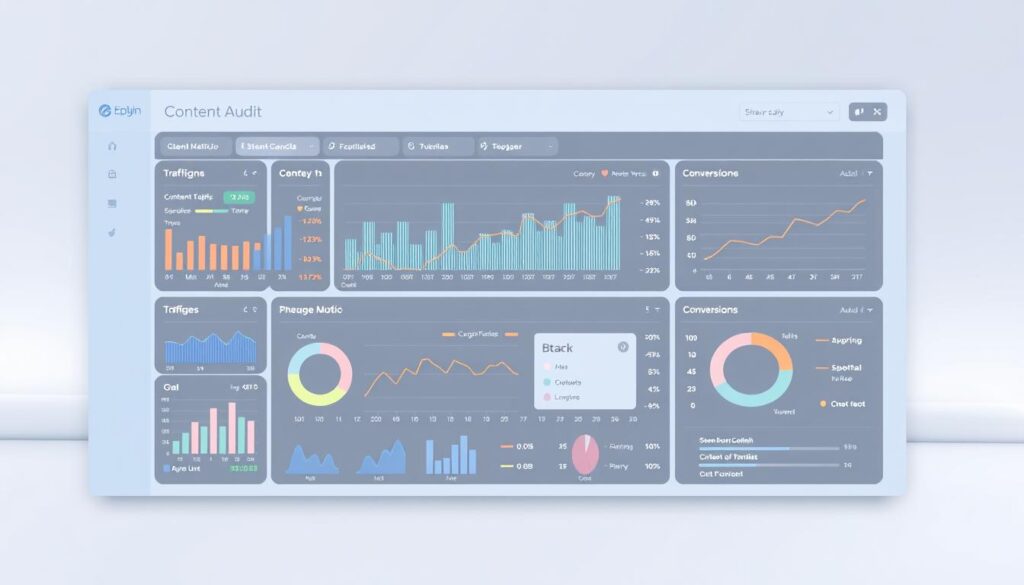
Identifying Low-Hanging Fruit with Analytics
Track three core metrics to prioritize updates:
| Metric | Purpose | Top Tools |
|---|---|---|
| Organic Traffic | Spot declining performers | Search Console |
| Bounce Rate | Detect engagement gaps | Ahrefs, Semrush |
| Keyword Positions | Find near-ranking content | Moz, Ahrefs |
Pages with steady traffic drops but existing backlinks often deliver quick wins. Update these before tackling older material with zero visits.
Evaluating Content Relevance and Performance
Assess whether articles still match what searchers want. A parenting guide from 2020 mentioning discontinued baby products needs modernization. Use keyword tools to check if target phrases still drive queries.
Prioritize pieces where:
- Core topic remains popular
- Statistics or examples feel dated
- Headers don’t match current search intent
For ongoing tracking, implement a content audit guide with quarterly reviews. Document changes and measure traffic shifts to refine your strategy.
Effective Techniques: how to refresh outdated blog posts
Modernizing existing articles requires strategic updates to key elements that influence both visibility and user satisfaction. Start by reviewing publication dates and timestamps. A 2023 case study showed pages with revised dates saw 22% more search traffic within 30 days compared to untouched content.
Refreshing Key Content Elements and Dates
Update headlines to align with current search trends. For example, change “Best Apps 2020” to “Top Productivity Tools in 2024.” Tools like Clearscope help identify trending phrases without keyword stuffing.
Add FAQ sections using schema markup tools. RankMath’s FAQ block organizes answers while boosting featured snippet potential. One marketing agency increased organic clicks by 37% after implementing this tactic.
Updating SEO Components and Meta Descriptions
Revise meta titles and descriptions to match searcher intent. Compare old and new versions:
| Before | After |
|---|---|
| “Gardening Tips for Beginners” | “2024 Urban Gardening Guide: Start Small Spaces” |
| Generic meta description | Includes “step-by-step” and “space-saving solutions” |
Strengthen internal links by connecting updated articles to newer related pieces. Audit external links monthly—replace broken ones with authoritative sources. Callout boxes highlighting key statistics keep readers engaged and reduce bounce rates.
Always address the main query in the first 150 words. This approach satisfies both algorithms and impatient searchers, creating a win-win for traffic growth.
Updating Content for Modern SEO and Reader Engagement
Content longevity depends on strategic modernization. Search engines reward pages with current statistics and practical examples, while readers demand accuracy. Aligning material with these expectations creates a competitive edge that drives sustained traffic.
Incorporating New Data and Timely Information
Replace outdated figures with recent studies or industry reports. A 2024 survey shows pages updated quarterly earn 3x more backlinks than static ones. Use tools like Google Trends to identify trending phrases within your niche.
Update meta titles and descriptions to reflect current search behavior. For example:
- Old: “Social Media Strategies”
- New: “2024 Algorithm-Friendly Social Tactics”
Add case studies from the past 12 months. This signals relevance to crawlers and answers readers’ evolving questions.
Optimizing Visual Elements and Links
Compress images to under 100KB without sacrificing quality. Tools like TinyPNG reduce load times while maintaining clarity. Always include descriptive alt text:
| Weak Alt Text | Strong Alt Text |
|---|---|
| “Chart image” | “2024 email marketing ROI statistics” |
Audit links monthly. Replace broken URLs with authoritative sources to maintain site credibility. Organize content with clear subheaders and bullet points—readers spend 25% more time on structured pages.
These updates create a dual benefit: algorithms recognize freshness, while visitors appreciate actionable, visually appealing material.
Advanced Refresh Tactics for Improved Internal Linking and User Intent
Elevating existing material requires moving beyond surface-level edits. Strategic internal linking and intent alignment transform old blog posts into authoritative resources that drive sustained traffic. These methods improve crawl efficiency while addressing modern reader needs.
Enhancing Internal Links and Navigation
Audit your site’s link structure using tools like Screaming Frog. Identify orphaned pages or underlinked articles with high potential. Connect updated pieces to cornerstone content using descriptive anchor text like “2024 social media trends” instead of generic “click here.”
Prioritize linking from high-authority pages to boost rankings. A travel website increased organic visibility by 29% after adding contextual links from their “Best Destinations” guide to refreshed city guides.
Aligning Content with Current Search Intent
Analyze top-ranking pages for target keywords using Semrush. Update old content to answer questions users now ask. For example, rewrite a generic “Email Marketing Tips” post as “Behavior-Based Campaign Strategies for 2024.”
Tools like AnswerThePublic reveal shifting search patterns. Incorporate long-tail phrases naturally into headers and body text. This approach satisfies both search engines and readers seeking specific solutions.
Implement breadcrumb navigation and related post widgets. These elements enhance user experience while distributing SEO value across your site. Remember: every internal link should serve a purpose, whether guiding visitors or reinforcing topical relevance.
Conclusion
Maximizing content value requires ongoing attention to quality and relevance. By analyzing performance metrics, updating SEO elements, and aligning with user intent, you transform aging material into competitive assets. Regular audits ensure your site remains a trusted resource for readers and search engines alike.
Consistent updates boost rankings while strengthening credibility. Studies show refreshed articles can double organic traffic by reviving evergreen potential. Prioritize comprehensive content refresh strategies that address technical health and modern search demands.
Strengthen internal links to guide visitors through your site while distributing SEO value. Update navigation structures to reflect current user pathways. These adjustments create lasting improvements in visibility and engagement.
Start today: audit high-potential pages, implement keyword optimizations, and track performance shifts. Staying current with best practices ensures your content remains a dynamic force in search results. Your audience—and Google—will notice the effort.
FAQ
Why should I prioritize updating older articles?
How do I choose which posts need updates?
What content elements require immediate attention during a refresh?
Can updating old posts improve keyword rankings?
How often should I check for broken links in older articles?
Should I rewrite entire sections or make minor tweaks?
How do refreshed posts align with current search intent?
Do updated dates impact click-through rates?
What tools help streamline the refresh process?
About The Author
