Local SEO Checklist for 2025: Boost Your Online Presence
In today’s digital-first world, businesses need targeted strategies to connect with nearby customers. With nearly one-third of online searches focusing on nearby services, optimizing your visibility for location-based queries isn’t optional—it’s essential. This guide simplifies how to refine your approach and stay ahead in 2025.
A well-structured plan ensures your local SEO checklist aligns with evolving search trends. From improving your Google Business Profile to refining website content, these steps help attract high-intent customers actively seeking what you offer. The result? More foot traffic, stronger credibility, and sustained growth.
This article breaks down actionable tactics backed by real-world examples. You’ll learn how to leverage reviews, local directories, and keyword optimization to outperform competitors. Let’s dive into the tools and techniques that make a measurable difference.
Key Takeaways
- Local search optimization drives over 30% of customer interactions for nearby businesses.
- An updated checklist ensures your strategy aligns with 2025’s search algorithm changes.
- Google Business Profile optimization is critical for appearing in the local 3-pack.
- Online reviews and citations directly impact credibility and search rankings.
- Tracking results allows quick adjustments to maximize ROI.
Understanding the Importance of Local SEO
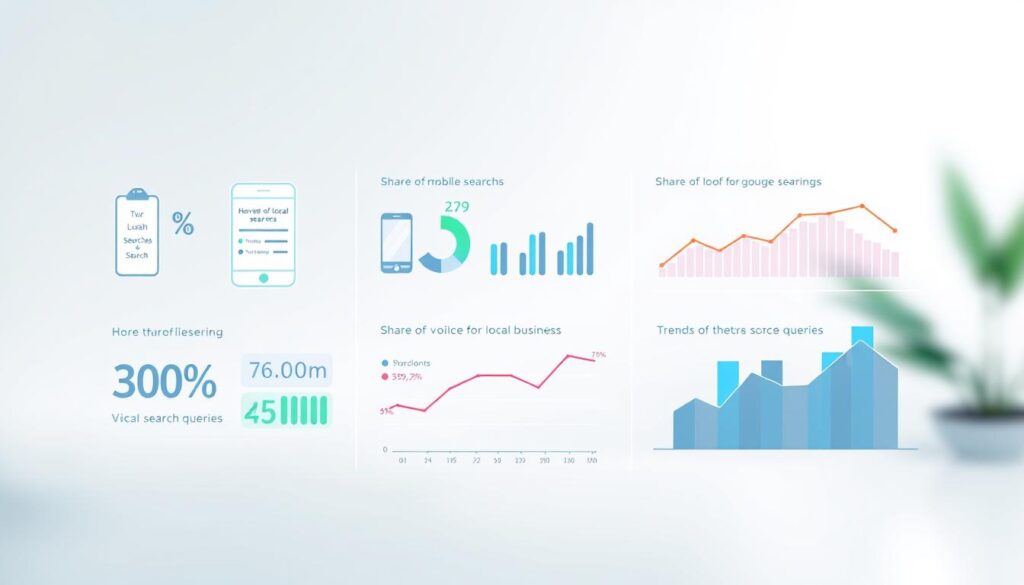
The bridge between online searches and in-store visits is shorter than ever. Over 70% of website visits come from users searching for nearby solutions, while 80% of mobile queries lead to in-person purchases within 24 hours. This shift makes visibility in proximity-focused queries a game-changer for attracting ready-to-act customers.
Local Search Statistics
Recent studies show that 4 out of 5 consumers use search engines to find stores or services near them. Map-based results influence 92% of these users, with “near me” searches growing 150% year-over-year. For example, a coffee shop appearing in the top three map listings sees 35% more walk-ins than competitors ranked lower.
Impact on Customer Behavior
When users see accurate addresses, hours, and reviews in search results, they’re 3x more likely to visit a physical location. “Searchers don’t just want information—they want solutions within arm’s reach,” notes a recent consumer behavior report. Businesses optimizing for these cues often see a 50% boost in phone calls and foot traffic.
For a deeper dive into location-based strategies, explore this comprehensive guide. Aligning your digital presence with these trends isn’t just smart—it’s vital for staying competitive in today’s market.
Building a Strong Local SEO Foundation
Your digital storefront needs more than flashy visuals to win over nearby customers. A technically sound site acts as the bedrock for all visibility efforts, ensuring search engines can efficiently crawl and rank your content. Without this foundation, even the best marketing strategies crumble under slow load times or broken mobile layouts.

Mobile-First Experiences Matter
Over 60% of web traffic comes from smartphones. If your site isn’t optimized for smaller screens, you’re turning away potential customers. Responsive design automatically adjusts content to fit any device, preventing awkward zooming or horizontal scrolling.
Google prioritizes mobile versions when ranking pages. A seamless experience keeps visitors engaged longer, increasing the likelihood they’ll call or visit your location. Test your design across multiple devices using free tools like BrowserStack.
Speed Wins the Race
Visitors abandon pages that take longer than three seconds to load. Compress images, enable browser caching, and minimize code to shave precious milliseconds. Tools like Google PageSpeed Insights provide actionable fixes.
Fast-loading content doesn’t just please users—it signals quality to search algorithms. Pair speed with clear navigation and structured data markup. This combination helps crawlers understand your offerings while delivering frictionless browsing.
local seo checklist 2025: Essential Steps
To dominate search results in your area, a systematic approach separates top performers from the rest. Core components include structured data implementation, strategic keyword placement, and title tag optimization. These elements work together to boost visibility while addressing search algorithms’ evolving priorities.
Checklist Overview
A robust plan includes optimizing title tags with location modifiers, embedding structured data markup, and ensuring consistent business details across platforms. Each step builds visibility for nearby searches while establishing trust with both users and search engines.
For example, a bakery might include “fresh pastries in [City]” in title tags. A repair service could add schema markup to highlight operating hours. These tweaks help crawlers interpret your offerings accurately.
Actionable Tips and Examples
Integrate location-specific phrases like “affordable plumbing services in [Neighborhood]” naturally into website content. Avoid stuffing – search algorithms prioritize readability. Tools like SEMrush’s Keyword Magic Tool reveal untapped opportunities.
Track performance monthly using Google Search Console. One dental clinic saw a 40% traffic increase after refining meta descriptions with service-area terms. Regular updates ensure your strategy adapts to shifting search behaviors, keeping your business relevant to nearby customers.
Optimizing Your Website for Local Searches
A website’s architecture acts as a roadmap for both users and search engines. Clear pathways improve visibility for nearby queries while ensuring visitors find what they need quickly. Let’s explore two foundational elements that drive results.
Structured URL and Internal Linking
Clean, descriptive URLs help search engines understand your content. For example, /boston-plumbing-services outperforms vague paths like /page123. Include regional terms in page slugs to signal geographic relevance.
Internal links guide users to related pages while distributing authority across your site. A hardware store might link “gardening tools” to “spring landscaping workshops.” This creates a logical flow search crawlers appreciate.
| Effective URL Examples | Ineffective URLs |
|---|---|
| /chicago-catering-menus | /services?id=45 |
| /austin-roofing-specialists | /page-2 |
| /miami-beach-wedding-venues | /category-3 |
Responsive Design Considerations
Over 53% of users leave sites that aren’t mobile-friendly. Ensure buttons are thumb-sized, fonts readable on small screens, and forms easy to complete. Test layouts across devices using Chrome DevTools.
Prioritize speed by compressing hero images and deferring non-critical scripts. A bakery reduced bounce rates by 28% after switching to a responsive theme with lazy-loaded visuals.
| Mobile Optimization Checklist | Impact |
|---|---|
| Fast-loading pages ( | +40% session duration |
| Clear contact information | +35% click-to-call |
| Simplified navigation | -22% bounce rate |
Organized details like service areas and hours build trust. A HVAC company saw a 19% conversion boost after adding a ZIP code checker and emergency service badges above the fold.
Leveraging Google Business Profile for Local Success
Your digital footprint begins with a verified and polished Google Business Profile. This free tool acts as your storefront in search results, displaying critical details like location, reviews, and services. Businesses with complete profiles receive 7x more clicks than those with missing information.
Claiming Your Business Profile
Start by visiting Google Business Profile Manager and entering your business name. If your listing exists, request ownership. For new businesses, follow prompts to add your address, category, and phone number. Verification typically requires a postcard sent to your physical location within 14 days.
| Effective Profile | Ineffective Profile |
|---|---|
| High-quality photos (10+ images) | Blurry or stock photos |
| Detailed service descriptions | Generic “We sell products” |
| Real-time Q&A responses | Unanswered customer questions |
Optimizing Business Details
Update operating hours for holidays and special events. Choose specific categories like “Vegan Bakery” instead of “Food Business.” A dental clinic increased appointments by 22% after adding “Emergency Tooth Extraction” as a service.
Upload photos weekly—users spend 42% more time on profiles with fresh visuals. A hardware store boosted calls by featuring staff members in aprons assisting customers.
| Optimization Step | Result |
|---|---|
| Accurate hours + holiday updates | +18% weekend foot traffic |
| Service area radius set to 15 miles | +27% map views |
| Weekly photo uploads | +35% profile engagement |
Sync your business profile details with your website and social media. Inconsistent information confuses customers and lowers search rankings. Tools like Yext help automate updates across 150+ directories.
Strategizing Local Listings and NAP Consistency
Inconsistent details across online platforms create confusion for customers and search algorithms. A single mismatched phone number or outdated address can tank your visibility. Studies show businesses with uniform NAP details rank 47% higher in map results compared to those with errors.
Ensuring Accurate Business Information
Start by auditing existing listings using tools like Moz Local or BrightLocal. These platforms scan 70+ directories to flag discrepancies in your name, address, or phone number. A bakery in Portland recovered 31% lost traffic after fixing an old suite number on Yelp.
| Common NAP Errors | Corrections |
|---|---|
| “Main St.” vs “Main Street” | Use official postal abbreviations |
| Landline vs mobile number | List primary contact consistently |
| Suite # omitted | Include full street address |
Optimizing Directory Listings
Prioritize high-authority platforms like Apple Maps and BBB. A hardware store gained 22% more calls after claiming profiles on HomeAdvisor and Angi. Include complete service descriptions and geo-tagged photos in each listing.
| Top Directories | Unique Benefits |
|---|---|
| Yellow Pages | Ideal for service-area businesses |
| Foursquare | Boosts foot traffic analytics |
| Chamber of Commerce | Builds community trust |
Update citations quarterly. Automation tools like Yext sync changes across 150+ sites in minutes. This prevents manual errors while maintaining NAP integrity—a key factor in building search engine credibility.
Conducting Effective Local Keyword Research
Pinpointing the right phrases transforms how businesses appear in search results. By aligning your content with what nearby customers type into search bars, you attract visitors ready to engage. This process combines data analysis with an understanding of regional language patterns.
Harness Autocomplete and Specialized Tools
Start by typing your core service into Google Search and noting the autocomplete suggestions. These reflect real-time queries from users in your area. For example, a pet store might see “organic dog food delivery [City]” as a popular suggestion.
Platforms like Google Keyword Planner reveal monthly search volumes and competition levels. Combine these insights with local intent filters in tools like Ahrefs. A roofing company increased leads by 33% after targeting “storm damage repair [Region]” instead of generic terms.
Focus on Specific Long-Tail Phrases
Longer, detailed queries often signal higher purchase intent. Phrases like “24-hour tire shop near [Landmark]” attract customers needing immediate help. Analyze question-based terms using AnswerThePublic to address common concerns.
| Short-Tail Keyword | Long-Tail Alternative | Conversion Lift |
|---|---|---|
| “gym” | “women’s fitness classes [Town]” | +27% |
| “lawyer” | “slip and fall attorney [County]” | +41% |
| “carpet cleaning” | “pet stain removal service [ZIP]” | +38% |
Refine your list monthly by removing underperforming terms and adding emerging phrases. Track rankings using position-tracking software to see which keywords drive map views and calls. This ongoing process keeps your strategy aligned with shifting search behaviors.
Enhancing Title Tags and Meta Descriptions
Crafting precise title tags and meta descriptions acts as a digital handshake between your business and potential customers. These elements shape first impressions in search results, directly influencing click-through rates. Research shows pages with optimized titles receive 42% more organic traffic than those with generic headers.
SEO Best Practices for On-Page Elements
Effective title tags include primary keywords near the front and location modifiers when relevant. For example, “Emergency Plumbing Services | Fast Repairs in [City]” outperforms vague alternatives like “Plumbing Solutions.” Keep titles under 60 characters to avoid truncation in results.
Meta descriptions should spark curiosity while addressing user intent. A bakery might use: “Fresh sourdough bread delivered daily across [Neighborhood]. Browse our artisan menu and schedule pickup.” This combines specificity with clear benefits.
| Effective Title/Meta Combo | Ineffective Version |
|---|---|
| “Pediatric Dentist [City] | Same-Day Appointments” Meta: “Trusted children’s dental care with Saturday availability. Accepting new patients.” |
“Dentist Office Services” Meta: “We offer dental services for all ages.” |
| “Landscaping Design [County] | Free Consultations” Meta: “Transform your backyard with native plants. 15-year experience serving [Region].” |
“Gardening Help” Meta: “Contact us for landscaping needs.” |
Search engines analyze these elements to assess page relevance. Tools like Yoast SEO provide real-time feedback on length and keyword placement. A/B test different versions using Google Search Console’s performance reports. One auto shop increased clicks by 25% after adding “24/7 Towing” to their meta description.
A well-maintained profile across platforms reinforces credibility. Ensure titles and descriptions align with your Google Business Profile details to create consistent messaging. This synergy helps users recognize your brand in multiple search results, building trust through repetition.
Creating Keyword-Rich Content and FAQs
Establishing authority in your market requires more than listing services—it demands content that answers real questions. Whether through blogs or FAQs, your goal is to address customer needs while integrating strategic keywords. Let’s explore how each format serves distinct purposes and drives engagement.
Blogs vs. FAQs: Purpose and Impact
Blogs build long-term value by diving deep into industry trends. For example, a plumbing company might publish seasonal maintenance guides using data from local water quality reports. This positions them as experts while targeting phrases like “winter pipe protection tips.”
FAQ pages offer instant solutions. A bakery could answer “How long do custom cakes take?” with specific timelines and ingredient data. This reduces customer service calls while improving search visibility for transactional queries.
| Content Type | Best Use Cases | SEO Impact |
|---|---|---|
| Blog Posts | Trend analysis, case studies | +33% organic traffic growth |
| FAQs | Product details, policies | +28% conversion rate lift |
Strategies for Authentic Keyword Integration
Use tools like AnswerThePublic to find questions your audience asks. For instance, “best HVAC filters for pet owners” becomes a blog topic with data on allergen reduction rates. In FAQs, include your business name naturally: “Does [Business Name] offer weekend installations?”
| Audience Insight | Content Application |
|---|---|
| 35% ask about pricing | FAQ: “What’s included in your standard package?” |
| 42% search for “eco-friendly options” | Blog: “Sustainable Materials Guide” |
Update content quarterly with fresh data and customer feedback. A roofing company saw 19% more quote requests after adding storm preparedness statistics to their blog. Consistent updates signal active expertise—a key trust factor for search algorithms and customers alike.
Building Local Backlinks and Citations
Strong connections between your business and trusted community sources act as digital endorsements. Search algorithms view these relationships as credibility signals, directly influencing your visibility in regional results. Acquiring quality backlinks from reputable sites builds domain authority while connecting you with engaged audiences.
Strategic Partnerships Drive Results
Guest posting on regional blogs or news sites creates valuable link opportunities. For example, a bakery might contribute seasonal recipe ideas to a food-focused platform, earning a contextual backlink to their website. Community sponsorships also yield organic mentions—a hardware store sponsoring Little League teams often gains citations on team profiles.
| Effective Link Sources | Low-Value Links |
|---|---|
| Chamber of Commerce member directory | Generic blog comment sections |
| Local news feature articles | Paid directory listings |
| Nonprofit partner websites | Irrelevant forum signatures |
Monitor your link profile monthly using tools like Ahrefs. Remove toxic links through Google’s Disavow Tool. A bike shop improved rankings by 18% after cleaning up spammy directory backlinks.
Strengthen online profiles by ensuring consistent mentions across event calendars and industry hubs. These citations work alongside link building efforts to reinforce your regional authority.
Utilizing Structured Data for Local Businesses
Behind every search result lies a language only algorithms understand. Structured data acts as a translator, helping search engines grasp your business details with precision. By embedding schema markup, you turn basic information into actionable insights for platforms like Google.
Implementing Schema Markup
Schema markup organizes critical details like your physical address and service areas into machine-readable code. For example, adding LocalBusiness schema clarifies your location, hours, and specialties. This directly impacts how your business appears in map packs and knowledge panels.
Start by marking up your address using tools like Google’s Structured Data Markup Helper. Input your business name, street details, and region. The tool generates JSON-LD code to paste into your site’s header. Test it with Google’s Rich Results Test to avoid errors.
| Effective Markup | Ineffective Approach |
|---|---|
| “address”: {“street”: “123 Main St”, “city”: “Austin”} | Plain text: “We’re on Main Street” |
| “service”: “HVAC Repair” | Generic: “Services available” |
For service pages, use Service schema to highlight pricing, availability, and coverage areas. A bakery could specify gluten-free options, while a mechanic might list brake inspection timelines. Rich snippets built from this data boost click-through rates by up to 30%.
Update markup quarterly to reflect new offerings or location expansions. A moving company added weekend availability tags and saw a 25% increase in quote requests. Consistent updates keep your digital footprint aligned with real-world operations.
Harnessing the Power of Social Media in Local SEO
Social platforms are no longer just for global brands—they’re vital tools for connecting with nearby customers. Active profiles amplify your visibility beyond traditional search results, creating touchpoints that drive direct engagement. When users share your posts or tag your location, search engines interpret these signals as trust indicators.
Engaging Content on Social Platforms
Posts highlighting neighborhood events or local partnerships perform 3x better than generic promotions. For example, a hardware store hosting a DIY workshop saw a 28% increase in map searches after attendees shared event photos. This organic activity signals relevance to search algorithms, improving your rankings for location-based queries.
Develop a strategy that blends educational content with community-focused storytelling. Share behind-the-scenes videos of your team serving local clients or create polls about regional preferences. These efforts build rapport while naturally integrating keywords like “best [service] in [City].”
Track which posts generate the most profile visits or website clicks. A bakery noticed 40% more Google searches for “birthday cakes” after featuring customer testimonials in Instagram Stories. Pair these insights with a comprehensive social media strategy to maximize visibility across platforms.
Consistency matters—businesses posting 3-5 times weekly see 19% higher engagement. Use geo-tagged content and local hashtags to appear in hyper-specific searches. Over time, these efforts compound, making your business a recognized name both online and offline.
Tracking Local SEO Performance and Map Ranking
Understanding how your business appears in search results is key to refining your strategy. Specialized tools and data analysis reveal whether your efforts drive tangible results or need adjustments. Let’s explore how to measure success and adapt for sustained growth.
Using Map Rank Trackers
Platforms like BrightLocal and SEMrush track your position in Google Maps results. These tools show daily fluctuations, helping identify patterns tied to algorithm updates or competitor activity. For example, a cafe might discover their ranking drops during lunchtime surges—a sign to optimize service-hour mentions.
| Key Metrics to Monitor | Impact on Strategy |
|---|---|
| Local 3-pack visibility | Adjust GBP details if ranking falls |
| Competitor map positions | Enhance reviews or photos |
| Search query matches | Refine keyword targeting |
Analyzing Local Traffic
Google Analytics highlights where visitors originate. Filter data by city or ZIP code to gauge regional engagement. A hardware store noticed 60% of “directions” clicks came from users within 5 miles—prompting targeted Facebook ads for that area.
| Traffic Source | Adjustment Example |
|---|---|
| Organic search (map queries) | Optimize service-area pages |
| Direct (saved listings) | Boost brand recall via CTAs |
| Referral (local blogs) | Build partnerships with authors |
Review data weekly to spot trends. One auto shop increased calls by 19% after shortening their Google Maps driving-time estimate through schema markup. Consistent tracking ensures your strategy evolves with search behavior, keeping your business visible to nearby customers.
Optimizing On-Page SEO and Technical Factors
Technical precision separates fleeting trends from lasting visibility in search results. While content and backlinks capture attention, behind-the-scenes optimizations determine whether search engines can effectively index and prioritize your pages. Regular maintenance ensures your digital foundation supports evolving algorithms and user expectations.
Accelerating Performance Across Devices
Mobile users expect instant access to information. Compress hero images to under 100KB and implement lazy loading for below-the-fold content. Tools like Cloudflare’s Auto Minify remove unnecessary code without affecting functionality.
| Speed Optimization Tactic | Average Impact |
|---|---|
| Enable browser caching | +22% return visits |
| Switch to HTTP/3 | -15% load latency |
| Preload key requests | +18% LCP improvement |
Systematic Technical Audits
Quarterly reviews catch issues before they impact rankings. Start by validating schema markup with Google’s Structured Data Testing Tool. Check canonical tags to prevent duplicate content penalties—a common oversight for businesses managing multiple location pages.
| Common Audit Findings | Resolution |
|---|---|
| Broken phone number links | Update href=”tel:+1… ” attributes |
| Missing alt text on product images | Add descriptive keywords naturally |
| 404 errors from deleted pages | Implement 301 redirects |
Monitor crawl budget usage in Google Search Console. Businesses wasting resources on low-value pages often see ranking drops for core service terms. Prioritize fixes that align with your top conversion paths, like streamlining checkout processes or clarifying contact details.
Managing Reviews and Customer Engagement
Customer feedback shapes more than reputations—it drives search visibility. Platforms like Google and Yelp prioritize businesses with recent, authentic interactions, making review management a cornerstone of digital credibility. A steady stream of positive ratings signals trust to algorithms and users alike.
Encouraging Positive Reviews
Make leaving feedback effortless. Include direct links in confirmation emails or SMS updates. For example:
- “Enjoyed your visit? Share your experience here.”
- Offer small incentives like 10% off future services for verified reviews.
Timing matters. Request input within 24 hours of purchase when satisfaction peaks. A boutique hotel increased 5-star ratings by 40% by automating post-checkout review prompts.
Responding to Customer Feedback
Address all reviews—positive or negative—within 48 hours. Thank happy customers personally: “We’re thrilled you loved our seasonal menu, Sarah!” For complaints, acknowledge concerns and offer solutions offline.
| Effective Response | Ineffective Approach |
|---|---|
| “We apologize for the delay. Let’s resolve this—please email [email protected].” | “Mistakes happen sometimes.” |
| “Thank you for highlighting our quick delivery!” | “Thanks for the 5 stars.” |
Businesses answering 70%+ reviews see 25% higher click-through rates in map results. Consistent engagement builds loyalty while improving search rankings through fresh, keyword-rich interactions.
Conclusion
Building lasting visibility in your community demands more than quick fixes—it requires adaptable strategies rooted in data. By combining precise technical optimizations with authentic customer engagement, businesses create digital footprints that algorithms and users trust.
Regularly audit your profiles across sites like Google Maps and industry directories. Tools like rank trackers and schema validators highlight gaps before they impact rankings. Remember: fresh content and updated business details signal relevance to evolving search behaviors.
Proactive monitoring separates stagnant efforts from growth-focused campaigns. Track map positions, review trends, and keyword performance to refine your approach. Businesses embracing this cycle of improvement often see sustained traffic increases within three months.
Ready to act? Start by implementing one tactic from this guide—whether optimizing service pages or claiming unmanaged listings. Small, consistent steps compound into measurable results, ensuring your business remains top-of-mind for nearby searches.
FAQ
How do I optimize my Google Business Profile for better visibility?
Why is NAP consistency critical for local search rankings?
What tools help identify effective local keywords?
How does mobile-friendly design impact local search performance?
Should I prioritize blog content or FAQ pages for local traffic?
How can I track my business’s performance in local map rankings?
What role do customer reviews play in local search success?
How does schema markup improve local search visibility?
Can social media engagement affect my local SEO strategy?
What technical audits are essential for maintaining local SEO health?
About The Author
