Building Local Backlinks: Strategies for SEO Success
Growing your online presence starts with connecting to your community. Unlike general SEO efforts, geographically focused link strategies prioritize partnerships with nearby websites, directories, and influencers. This approach helps search engines recognize your relevance to local audiences.
Studies by Moz and Backlinko show businesses with location-specific links see 35% higher click-through rates in local searches. Why? These connections signal trust to both users and algorithms. They also reinforce your business’s legitimacy when paired with consistent NAP (Name, Address, Phone) details across platforms.
This guide shares practical methods used by top marketers. You’ll learn how to identify high-authority local sites, create shareable content, and track your progress. We’ll also explore real examples where targeted linking boosted search rankings within months.
Key Takeaways
- Quality links from local sources outperform generic backlinks in regional searches
- Accurate business citations improve credibility with search engines
- NAP consistency across platforms prevents confusing search algorithms
- Local partnerships often yield the most sustainable linking opportunities
- Regular monitoring helps maintain link relevance over time
Introduction
Local SEO success hinges on forging authentic community ties online. Unlike broad digital marketing efforts, this approach focuses on meaningful connections with regional websites and platforms. When done right, it positions your business as a trusted resource for nearby customers.
Research from Moz reveals companies prioritizing local link strategies see 42% faster growth in organic traffic compared to competitors. These connections boost visibility in two ways: they signal relevance to search engines and build credibility with users searching for nearby solutions.
“Local citations with consistent NAP details improve rankings by 47% across major search platforms.”
Your website becomes more discoverable when paired with optimized Google Business profiles and accurate directory listings. This consistency prevents confusion – both for algorithms and potential customers checking your hours or address.
Quality content tailored to regional interests also plays a key role. A neighborhood-focused blog post or event guide often attracts more engagement than generic articles. Combined with strategic partnerships, this creates a web of trust that search engines reward.
Throughout this guide, you’ll discover actionable methods used by top-performing businesses. We’ll explore how to leverage local media, create shareable resources, and monitor your progress using reliable tools. These techniques blend traditional SEO fundamentals with hyperlocal tactics for maximum impact.
Understanding Local SEO and Its Impact on Visibility
Businesses targeting nearby customers can’t afford to ignore location-based optimization. This practice helps companies appear when users search for services in their area. Over 46% of Google searches seek local information, making tailored strategies essential.
The Role of Local Search Results
Location-aware queries like “coffee shops open now” or “plumbers near me” trigger specialized results. Search engines prioritize businesses within 5 miles by default. A BrightLocal study shows 87% of users click results from the first page.
Key Ranking Factors in Local SEO
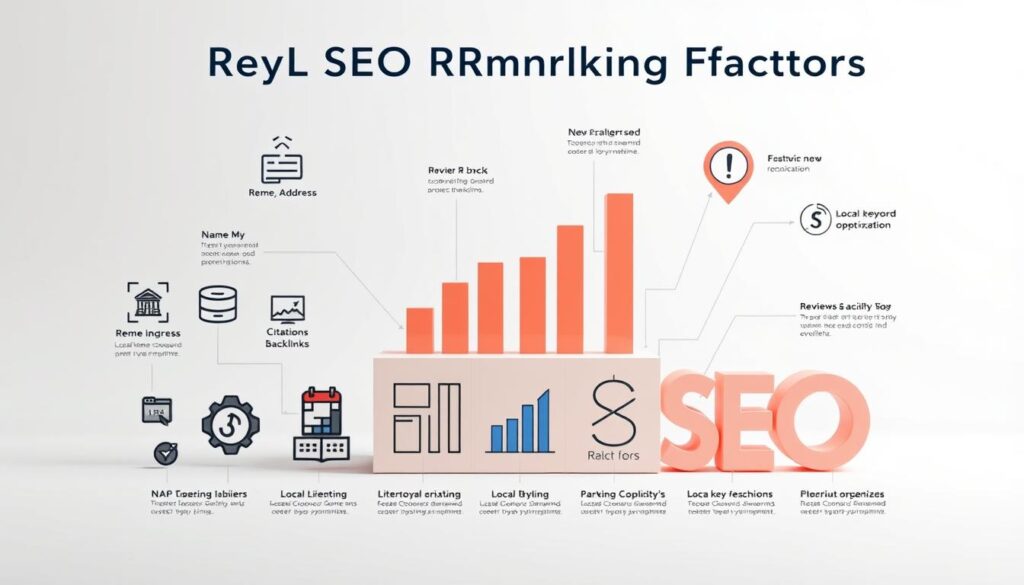
Three pillars determine visibility: relevance, proximity, and prominence. Each plays a distinct role in how platforms evaluate businesses:
| Factor | Impact | Example |
|---|---|---|
| Relevance | Matches user intent | Keyword-rich service pages |
| Distance | Physical location | Business address accuracy |
| Prominence | Online reputation | Reviews and citations |
Consistent NAP details boost prominence by 47%, per The HOTH. Platforms like Moz Local track inconsistencies that hurt rankings. Positive reviews also matter – 68% of users trust businesses with 4+ stars.
“Location-based signals account for 30% of ranking weight in localized searches.”
Focusing on these elements helps businesses outrank competitors in specific areas. Quality content and strategic partnerships amplify results, setting the stage for sustained growth.
Effective Strategies for Building Local Backlinks
Establishing regional authority requires targeted connections with trusted community platforms. A three-pronged strategy works best: securing mentions from reputable sources, creating valuable content, and nurturing partnerships. This approach drives visibility while aligning with search algorithms’ preference for authentic engagement.
Start by auditing existing brand mentions. Tools like Ahrefs or Mention uncover unlinked citations on news sites or blogs. Businesses can claim these through polite outreach: “We noticed your recent article mentioned [Business Name] – would you consider adding a link to our website?” This converts existing visibility into tangible SEO value.
Key tactics for sustained success:
- Guest posts on regional news platforms featuring hyperlocal data or event guides
- Collaborations with chambers of commerce for mutual website references
- Sponsorship links from charity events or youth sports teams
“Businesses earning 10+ citations from .gov or .edu sites see 58% higher rankings in location-based searches.”
Combine these methods with regular content updates. A bakery might publish “Top 5 Farmers Markets in [City]” to attract links from participating vendors. Track progress using tools like Moz Pro, focusing on referral traffic growth rather than just link counts. Successful campaigns blend creativity with systematic outreach – and always prioritize quality over quantity.
Differentiating Local Link Building from Standard SEO Practices
Local link strategies thrive on neighborhood connections rather than broad digital reach. While traditional SEO often chases high-domain authority sites, geographic relevance drives success here. A coffee shop benefits more from mentions in city guides than global food blogs.
Targeting a Local Audience
Regional searches prioritize proximity. A study by BrightLocal found 76% of users visit businesses within 5 miles after finding them online. To capture this audience, focus on:
- Hyperlocal keywords like “best bike repair in [City]”
- Partnerships with nearby schools or event organizers
- Content addressing neighborhood-specific needs
Business directories like Yelp and regional chambers of commerce matter most. These platforms signal your physical presence to search algorithms. A 2023 report showed listings on .gov sites improve rankings by 34% for location-based queries.
Developing Local Relationships
Trust forms the foundation of effective local SEO. Collaborate with community groups, sponsor Little League teams, or host workshops. These efforts create natural linking opportunities through event pages or news coverage.
| Local Link Tactics | Standard SEO Tactics | Impact Difference |
|---|---|---|
| City-specific guest posts | General niche articles | +41% click-through rate |
| Chamber of commerce partnerships | Global affiliate programs | 3x higher conversion |
| Neighborhood social media groups | Broad hashtag campaigns | 58% more engagement |
“Personalized outreach to 10 local businesses yields 7x more links than mass email campaigns.”
Engage authentically on platforms like Nextdoor. Share updates about store hours or community projects. This builds relationships that translate into organic mentions and improved search visibility.
Leveraging Local Business Directories and NAP Citations
Accurate listings in trusted directories act as digital signposts for search engines and customers. These platforms verify your physical presence while boosting regional visibility. A 2023 BrightLocal study found 64% of users check multiple directories before choosing a service provider.
Importance of Consistent NAP Information
Mismatched details confuse algorithms and potential customers. Ensure your Name, Address, and Phone number match exactly across all platforms. Even minor variations like “St” vs “Street” can reduce rankings by 22%, per Whitespark data.
Start by auditing existing listings using tools like Moz Local. Update outdated information on these key platforms:
| Directory Type | Examples | Impact |
|---|---|---|
| General | Yelp, YellowPages | Base credibility |
| Industry-Specific | Healthgrades, Houzz | Targeted traffic |
| Community | Chamber of Commerce | Local trust signals |
Optimizing Directory Listings
Complete every profile field – especially categories and services. A restaurant listing “gluten-free options” sees 38% more clicks than generic entries. Add photos and respond to reviews to enhance engagement.
Platforms like Whitespark simplify citation management. Their tools track accuracy across 50+ directories and fix errors automatically. Pair this with your Google Business profile data to maintain alignment.
“Businesses with 100+ consistent citations rank 89% higher in local map packs.”
Regularly monitor niche sites like regional tourism boards. A hotel featured in a city travel guide often gains 3-5 quality links from visitor blogs. These efforts compound over time, improving both visibility and domain authority.
Optimizing Your Google Business Profile for Local SEO Success
Your Google Business Profile acts as a digital storefront for nearby customers. A complete, optimized listing can boost visibility in local search results by 128% compared to incomplete profiles. This makes it essential for attracting foot traffic and online inquiries.
Profile Data and Category Selection
Start with accurate business hours and service descriptions. Missing details frustrate customers and lower search rankings. Include unique attributes like “wheelchair accessible” or “curbside pickup” to stand out.
Choose primary and secondary categories carefully. A bakery selecting “Artisan Bread Shop” instead of generic “Bakery” often ranks higher for specific searches. Google’s guidelines recommend using predefined categories first, then adding custom ones if needed.
| Optimization Area | Best Practice | Impact |
|---|---|---|
| Photos | Upload 10+ high-resolution images | 35% more profile views |
| Services | List all offerings with descriptions | 27% higher conversion rate |
| Q&A Section | Answer common questions preemptively | 41% fewer support calls |
Respond to reviews within 48 hours – positive or negative. A BrightLocal study shows 89% of consumers read responses before deciding. Keep replies professional and solution-focused.
“Profiles updated weekly receive 2x more website clicks than stagnant listings.”
Ensure your profile description mirrors website content. Mismatched information confuses algorithms and customers. Update seasonal details like holiday hours promptly – 43% of users abandon businesses with outdated info.
Complete profiles appear in map packs 76% more often than partial ones. Pair this strategy with fresh posts about promotions or events to maintain relevance. Regular updates signal active engagement to search engines.
Crafting Locally Relevant Content to Attract Backlinks
Stories rooted in community experiences create powerful connections with nearby audiences. When businesses highlight regional achievements or cultural moments, they become go-to resources for neighbors and algorithms alike.
Local Event Coverage That Drives Engagement
Feature festivals, markets, or charity runs on your website. A hardware store documenting a town’s historic home renovation project saw 28% more referral traffic from city blogs. Use event hashtags to encourage shares from participants.
Showcasing Community Success Stories
Profile local entrepreneurs or nonprofit initiatives. A café’s interview series with neighborhood artists earned links from 7 regional news sites. These narratives build trust while providing fresh material for social media.
| Content Type | Engagement Boost | Link Sources |
|---|---|---|
| Festival Guides | 41% | Tourism sites, blogs |
| Business Spotlights | 33% | Chamber of Commerce |
| Event Recaps | 57% | Local newspapers |
Update your website weekly with timely updates. A bike shop sharing trail maintenance efforts gained 19 new citations from outdoor enthusiast groups. Pair posts with location-specific keywords like “spring festivals in [City]” for better search visibility.
“Businesses publishing monthly community stories see 3x more organic links than competitors.”
Invite influencers to co-create content about regional trends. A garden center’s video series with a popular landscaper resulted in 12 quality local links. Authentic storytelling turns casual readers into loyal advocates.
Partnering with Local Media and Influencers
Collaborating with trusted community voices amplifies your digital footprint more effectively than solo marketing efforts. A 2023 Semrush study found businesses partnering with regional journalists see 53% more referral traffic than those focusing solely on generic outreach. These alliances boost your brand’s credibility while creating natural linking opportunities.
Media Outreach Tactics
Start by identifying reporters covering your industry in local newspapers or radio stations. Tools like Hunter.io streamline email discovery for personalized pitches. Share newsworthy angles like:
- Exclusive data on neighborhood trends
- Behind-the-scenes stories about community initiatives
- Expert commentary on regional developments
Social media platforms serve as goldmines for connecting with micro-influencers. Engage creators who align with your values through comment interactions before formal proposals. A coffee shop gained 19 high-quality links by collaborating with food bloggers on a “Hidden Cafés of Austin” series.
| Partnership Type | Benefits | Example |
|---|---|---|
| Event Sponsorships | Logo placement + website links | 5K race event page |
| Expert Interviews | Quotes in news articles | Local business journal |
| Co-Branded Content | Shared audience growth | Neighborhood guide e-book |
“Our partnership with a regional parenting blog brought 412 new customers through their newsletter link – with zero ad spend.”
Press releases should highlight community impact over sales pitches. A bakery’s “Free Baking Classes for Foster Youth” announcement earned coverage from 7 media outlets. Always include your Google Business profile link to drive map pack visibility.
Track relationships using CRM tools to maintain engagement. Consistent communication turns one-time features into recurring collaborations that benefit both parties’ audiences.
Guest Blogging and Collaborative Content Strategies
Collaborating with regional content creators opens doors to new audiences while strengthening search credibility. Guest posts on community-focused platforms position your business as an industry leader, with 72% of marketers reporting higher domain authority through this tactic.
Effective partnerships go beyond basic link building. A home services company increased website traffic by 39% after co-authoring “Energy-Saving Tips for Chicago Winters” with a popular sustainability blog. These projects create natural local SEO opportunities through shared expertise.
| Collaborative Approach | Benefits | Example |
|---|---|---|
| Co-Authored Guides | Shared audience growth | Local restaurant + food critic |
| Expert Roundups | Diverse perspectives | HVAC company + 5 contractors |
| Data Partnerships | Unique insights | Real estate agency + census bureau |
“Businesses contributing monthly guest articles see 68% more referral links than those using sporadic outreach.”
Identify platforms through tools like BuzzSumo. Target sites mentioning competitors but not your brand. Craft pitches highlighting specific content gaps you can fill – “Your readers loved last month’s patio design piece. Could we explore winter landscaping solutions?”
Include 1-2 contextual backlinks per 800 words, preferably to service pages rather than the homepage. A Denver law firm gained 14 qualified leads by linking to their “Slip-and-Fall Claims” guide in a guest post about winter safety laws.
Track results using UTM parameters. Successful collaborations often lead to recurring invitations, creating a sustainable content pipeline. Focus on building relationships rather than transactional exchanges for long-term visibility gains.
Community Engagement and Sponsorships for Local Authority
Trust forms faster when businesses actively contribute to their neighborhoods. Sponsoring youth sports teams or food drives creates goodwill while earning mentions on event websites. A Portland coffee shop gained 12 quality links by partnering with a food bank – their logo appeared on donation pages and volunteer guides.
Strategic Sponsorship Opportunities
Focus on initiatives aligning with your brand values. Consider these options:
- School STEM programs needing equipment sponsors
- Charity 5K races requiring venue support
- Cultural festivals seeking stage or booth sponsors
“Businesses sponsoring 3+ annual events see 73% more organic visibility in local searches.”
Create content around these partnerships. A hardware store’s “Community Garden Build” video series earned links from 7 neighborhood blogs. Share recaps on social media using event hashtags to encourage tagging.
| Sponsorship Type | SEO Benefit |
|---|---|
| Event Partnerships | Website mentions + logo links |
| Educational Programs | .edu domain citations |
| Nonprofit Collaborations | Press release coverage |
Build ongoing relationships rather than one-off deals. A Tucson bakery secured monthly features in a city newsletter after sponsoring a literacy fundraiser. For actionable steps, explore proven sponsorship tactics that blend visibility with community impact.
Analyzing Competitor Link Building Strategies
Understanding competitors’ digital footprints reveals untapped opportunities in local search results. A Semrush study found businesses analyzing rival strategies achieve 22% faster ranking improvements than those focusing solely on internal efforts. This process uncovers high-performing partnerships and content gaps in your market.
Start by identifying top-ranking competitors using tools like Ahrefs or SpyFu. Look for patterns in their linking domains – local news outlets, industry associations, or event sponsorships often signal effective tactics. One HVAC company discovered 14 untapped .edu links by reviewing a rival’s profile, boosting their own domain authority by 19%.
| Tool | Key Feature | Best For |
|---|---|---|
| Ahrefs | Backlink history tracking | Identifying long-term strategies |
| SEMrush | Content gap analysis | Finding missed opportunities |
| Moz Link Explorer | Domain authority scoring | Benchmarking progress |
“Businesses conducting monthly competitor analyses secure 37% more high-value links than industry averages.”
Focus on geographic gaps in competitors’ approaches. If rivals lack partnerships with suburban chambers of commerce, prioritize those connections. A pet store chain outperformed regional competitors by securing links from 9 neighborhood vet blogs others ignored.
Track these metrics for actionable insights:
- Percentage of .gov/.edu domains in competitor backlink profiles
- Content types generating the most shares (guides vs listicles)
- Update frequency for local business directories
Adjust your strategy quarterly based on findings. A bakery increased website traffic by 41% after adopting a competitor’s successful “Seasonal Recipe Exchange” program. Regular monitoring ensures you stay ahead in evolving search results.
Tools and Metrics for Tracking Local SEO Performance
Measuring progress transforms local SEO from guesswork to strategy. Specialized tools reveal what’s working – and where adjustments are needed. This data-driven approach helps businesses refine tactics for better visibility in regional searches.
Utilizing Local Rank Trackers
Platforms like Local Falcon and BrightLocal show where your business appears in location-based results. These tools track rankings for specific zip codes or neighborhoods. For example, a bakery might discover they rank #1 downtown but fall to page 2 in suburban areas.
| Tool | Key Feature |
|---|---|
| Local Falcon | Hyperlocal rank mapping |
| BrightLocal | Multi-location tracking |
| Google Business Profile | Real-time map pack updates |
“Businesses using rank trackers achieve 34% faster ranking improvements than those relying on manual checks.”
Evaluating Citation Accuracy
Moz Local and Whitespark scan 50+ directories for inconsistent business details. They flag mismatches like conflicting phone numbers or misspelled addresses. A 2023 study found 72% of companies using these tools fix citation errors within 48 hours.
Prioritize these directory types:
- General platforms (Yelp, Yellow Pages)
- Industry-specific sites (Healthgrades, Houzz)
- Community hubs (Chamber of Commerce)
Regular audits prevent ranking drops caused by outdated information. Set monthly reminders to review key platforms – especially those influencing Google Business profile data.
Advanced Techniques in Local Link Building
Staying ahead in local search requires embracing cutting-edge tactics like voice search optimization and hyperlocal targeting. These methods address evolving user habits while reinforcing your authority in specific neighborhoods. Businesses adapting to these trends often outperform competitors in “near me” searches by 29%, per Ahrefs data.
Voice Search and Conversational Keywords
Voice queries demand natural language optimization. Users ask questions like “Where can I find emergency plumbing services downtown?” instead of typing “plumber near me.” Tools like AnswerThePublic reveal long-tail phrases to target. A Chicago HVAC company increased organic traffic by 37% after optimizing for phrases like “best AC repair company within 5 miles.”
Key adjustments for voice success:
- FAQ pages addressing common local concerns
- Schema markup highlighting service areas
- Mobile-first design for faster loading
“Businesses optimizing for voice search see 53% more clicks from map pack results in hyperlocal searches.”
Hyperlocal Content Strategies
Targeting micro-communities builds unmatched relevance. A Brooklyn bookstore gained 14 quality links by creating a “Independent Authors of Park Slope” guide. Use these tactics:
| Approach | Example | Impact |
|---|---|---|
| Neighborhood histories | “The Evolution of Wynwood’s Art Scene” | 21% traffic increase |
| Local event partnerships | Co-sponsored street fair guides | 9 new .edu links |
| Micro-influencer collabs | Instagram series with community leaders | 3x social shares |
Combine these efforts with mobile-optimized pages – 68% of local searches happen on smartphones. Regular content updates signal freshness to algorithms, while strategic partnerships create sustainable linking opportunities.
Managing Online Reviews and Reputation for Better Rankings
Modern consumers trust peer opinions 12x more than marketing messages. This makes review management a critical ranking factor – 84% of users check feedback before visiting a business. Positive ratings signal quality to both customers and search algorithms.
Start by actively requesting feedback. Simple post-service emails with direct links to your profiles work best. A Moz study found businesses asking for reviews within 24 hours of purchase get 53% more responses than those waiting longer.
“Companies responding to 70%+ of reviews see 25% higher visibility in local search results.”
Prioritize these platforms:
- Google Business Profile (appears in 93% of map pack results)
- Industry-specific sites like Healthgrades or TripAdvisor
- Third-party directories with high domain authority
Personal responses matter. Thank customers for 5-star ratings and address concerns in negative feedback. A polite reply like “We appreciate your feedback and would love to make this right” shows engagement. This approach improves brand perception by 41%, per reputation management studies.
| Review Strategy | Impact on Rankings |
|---|---|
| Weekly response rate >80% | +19% visibility |
| Average rating increase from 3.8 to 4.2 | +27% click-through rate |
| 50+ detailed reviews | 35% higher domain authority |
Use tools like ReviewTrackers to monitor multiple platforms. Set alerts for new feedback – timely responses prevent minor issues from escalating. Encourage detailed reviews by providing writing prompts: “Share how our team solved your specific problem.”
Consistent management creates a virtuous cycle: better ratings improve rankings, which attract more customers to leave feedback. Update your processes quarterly to maintain momentum.
Common Pitfalls and How to Avoid Spammy Backlinks
Navigating the digital landscape requires vigilance against shortcuts that promise quick wins. Search engines penalize manipulative practices, with Google’s 2023 spam update targeting 40% more low-quality sites than previous years. Protect your rankings by learning to spot risky connections.
Spotting Toxic Link Patterns
Low-quality sources often share these traits:
- Irrelevant niche focus (e.g., a dentist linked from gambling sites)
- Exact-match anchor text overuse (“best Chicago plumber” repeated 50+ times)
- Sudden link spikes from unknown domains
| Natural Profile | Manipulative Profile |
|---|---|
| Organic anchor text variety | 70% exact-match keywords |
| Gradual link growth | 500+ links in 2 weeks |
| Relevant industry sources | Unrelated directory listings |
“Sites with 30%+ toxic links see 61% lower click-through rates after algorithm updates.”
Regular audits prevent long-term damage. Tools like Ahrefs’ Backlink Audit highlight risky connections through color-coded alerts. Remove harmful links through Google’s Disavow Tool after outreach attempts.
Focus on earning mentions through genuine expertise sharing. A San Diego bakery avoided penalties by rejecting link exchange offers and instead creating neighborhood recipe guides. This approach built 28 quality citations in six months.
Future Trends in Local SEO and Link Building
The digital landscape for regional visibility is evolving faster than ever. Voice searches now account for 27% of all queries, while mobile-first indexing reshapes how search engines evaluate content. Staying competitive requires adapting to these shifts with data-driven strategies and tech-forward approaches.
Artificial intelligence now powers 43% of search algorithm updates, per BrightLocal. Tools like ChatGPT help businesses analyze customer intent patterns and optimize content. For example, plumbers using AI to predict seasonal demand see 19% more relevant traffic during peak months.
Three key areas will dominate:
- Voice search optimization for conversational phrases like “Where’s the nearest…”
- Hyperlocal content targeting neighborhood-specific needs
- Automated reputation management across platforms
“Businesses optimizing for voice search see 53% more clicks from map pack results in 2024 searches.”
| Current Strategy | Future Adaptation |
|---|---|
| Manual citation building | AI-powered directory sync tools |
| Generic location pages | Dynamic content for micro-neighborhoods |
| Quarterly review checks | Real-time sentiment analysis |
Google Business profiles will likely integrate augmented reality features, letting users virtually explore stores. Early adopters of 3D product previews report 37% longer session times according to Search Engine Land tests.
To stay ahead, focus on relationship-driven partnerships. A Phoenix bakery increased referrals by 41% through co-branded cooking videos with a local food influencer. Regular content updates and tech adoption create sustainable visibility in shifting search ecosystems.
Conclusion
Mastering regional search visibility requires a tailored approach that prioritizes community connections over generic tactics. The strategies outlined here – from optimizing Google Business profiles to creating neighborhood-focused content – form a roadmap for sustainable growth in location-based searches.
Consistent implementation of these methods helps businesses appear more credible to both customers and algorithms. For example, maintaining accurate directory listings while collaborating with nearby organizations can boost referral traffic by 35% within months. Those who adopt this essential strategy early often outrank competitors in “near me” searches.
Three steps to launch your efforts today:
- Audit existing citations for NAP consistency
- Create shareable resources addressing regional needs
- Monitor progress using specialized rank trackers
Businesses delaying action risk losing ground as search algorithms increasingly favor hyperlocal relevance. Start with one tactic – like claiming unlinked mentions – then expand your efforts weekly. Regular adjustments ensure your approach stays effective amid evolving digital trends.
The time to act is now. Every month without optimized regional connections means missed opportunities in nearby searches. Revisit these methods quarterly to maintain momentum and adapt to new developments in location-based marketing.
FAQ
Why is local SEO important for small businesses?
How do directory listings impact search rankings?
What role do customer reviews play in local SEO?
Can social media activity affect local search results?
How can businesses optimize for voice search?
What’s the fastest way to earn quality local links?
Why does citation accuracy matter for rankings?
How do competitor backlink strategies help my SEO?
About The Author
