How to Get More Local Traffic: Strategies That Work
Attracting nearby customers is essential for businesses competing in today’s digital-first economy. With 46% of Google searches showing local intent, companies must prioritize strategies that connect them directly to their communities. Targeted approaches not only drive foot traffic but also build lasting relationships with high-value audiences.
Optimizing your Google Business Profile remains one of the most effective ways to enhance visibility. Studies reveal 88% of smartphone users visit a business within a week after searching locally. This tool acts as a digital storefront, ensuring your hours, services, and reviews appear prominently in search results.
Successful local strategies go beyond algorithms. They create meaningful engagement—like tailoring content to regional needs or participating in community events. Businesses leveraging these tactics often see higher conversion rates, as local SEO strategies align with how modern consumers discover services.
Key Takeaways
- Nearly half of all Google searches target local products or services.
- Mobile users frequently convert quickly after discovering nearby businesses.
- A well-maintained Google Business Profile boosts search rankings and credibility.
- Community-focused efforts strengthen brand loyalty and drive repeat visits.
- Actionable steps in this guide include optimizing listings and tracking performance metrics.
Introduction to Local Traffic Strategies
Targeting regional audiences online has become a cornerstone of modern business success. Over 78% of location-based searches lead to in-store visits within 24 hours, proving that proximity drives action. This connection between digital visibility and physical footfall makes strategic planning essential for sustained growth.

Why Local Traffic Matters
Neighborhood-focused strategies help businesses stand out in crowded markets. Customers increasingly rely on search engines to find nearby services—63% prefer companies appearing in localized search results. This trend highlights the need for accurate listings on platforms like Yelp and industry-specific directories.
Current Trends in Local SEO
Mobile-first indexing now dominates search results, with voice queries like “near me” growing 150% annually. Google Business Profile features like service area markers and Q&A sections further refine how businesses appear for hyperlocal searches.
| Strategy | Impact on Traffic Website | Key Platform |
|---|---|---|
| Mobile Optimization | +40% click-through rate | Google Search |
| Voice Search Readiness | 28% faster conversions | Smart Speakers |
| Localized Content | 55% longer session duration | Business Blogs |
Upcoming sections will explore technical optimizations for websites and advanced tactics for dominating local listings. These methods work best when combined with community engagement initiatives that build authentic connections.
Understanding the Importance of Local SEO
Proximity-based marketing bridges the gap between online searches and in-person visits. Local SEO focuses on optimizing digital visibility for audiences searching within specific geographic areas. Unlike traditional SEO, it prioritizes relevance to immediate communities—ensuring businesses appear when potential customers need nearby solutions.
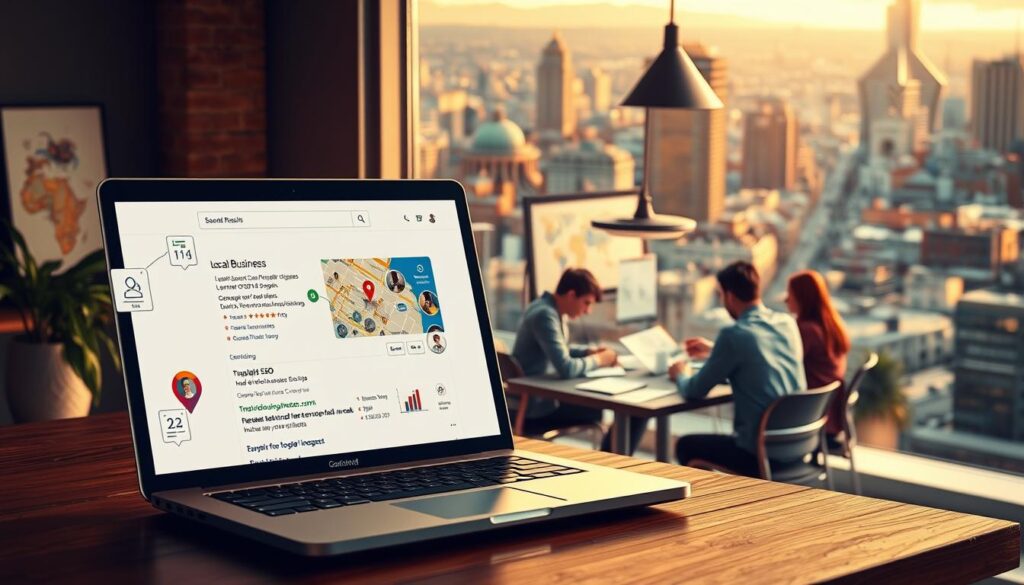
This strategy goes beyond rankings. It’s about delivering timely, actionable information. For example, Google Business Profile optimization ensures your address and services appear prominently in maps and “near me” searches. Over 76% of users visit businesses within 5 miles after discovering them locally.
Key metrics highlight its value:
| Strategy | Impact | Example |
|---|---|---|
| Local Citations | +62% Trust Boost | Yelp, Yellow Pages |
| Location Keywords | 48% Higher Click-Through | “Bakery in Chicago” |
| Review Management | 34% Conversion Lift | Google Reviews |
Make sure your business information remains consistent across directories. Inaccurate listings confuse search engines and deter potential customers. Regular updates also align with algorithm changes, like Google’s preference for fresh content.
Local SEO techniques drive engagement by answering urgent queries. A user searching “emergency plumber near me” expects immediate options—not generic results. By refining these strategies, businesses capture high-intent visitors ready to convert.
How to Get More Local Traffic
Connecting with nearby customers starts by decoding their unique needs. Research shows businesses that tailor strategies to neighborhood-specific demands see 73% higher engagement than generic approaches. This requires blending data analysis with cultural insights.
Identifying Your Local Audience
Start with search engine analytics tools like Google Trends. These reveal trending queries like “coffee shops open late” or “24-hour pharmacies” in specific zip codes. Social listening platforms further expose regional pain points through community discussions.
Localized blog posts addressing these topics perform exceptionally well. A bakery writing about “Gluten-Free Options in Austin” or a mechanic sharing “Winter Tire Tips for Michigan Drivers” builds relevance. Pair this content with business profile updates highlighting matching services.
Leveraging Free and Paid Methods
Organic efforts like optimizing your business profile for “near me” searches yield steady growth. Paid ads on search engines provide instant visibility during peak seasons. For example, a florist could boost Mother’s Day promotions through geo-targeted Google Ads.
Free tools like Google My Business Insights track which blog posts drive map views. Paid options like Facebook’s radius targeting complement these efforts. Balance both approaches—consistent organic content builds trust, while strategic ads capture urgent buyers.
Optimizing Your Google Business Profile
Establishing a strong digital footprint starts with your Google Business Profile. This free tool serves as your company’s identity card across Google Search and Maps. Profiles with complete details receive 7x more clicks than incomplete ones, making optimization non-negotiable for visibility.
Claiming and Verifying Your Listing
Begin by visiting the Google Business platform. Enter your company name, address, and category. Verification typically involves a postcard sent to your physical location or an email confirmation. This step locks your profile against unauthorized edits while boosting legitimacy in search algorithms.
Enhancing Your Profile with Reviews and Photos
Encourage customers to leave feedback via SMS or email templates. Respond promptly to reviews—positive or negative—to show engagement. Upload high-resolution images weekly, focusing on products, team members, and storefronts. Profiles with 10+ photos attract 42% more website visits.
Include a direct link back to your website in the profile description. This simple tactic improves domain authority and guides users toward conversions. For example, a Portland bakery saw 40% traffic growth after adding menu links and booking options.
| Optimization Tactic | Impact | Example |
|---|---|---|
| Review Responses | +28% Trust Score | “Thanks for your feedback!” |
| Photo Updates | 35% Longer Profile Views | Seasonal decor shots |
Ensure your name, address, and phone number match other directories. Inconsistencies confuse customers and hurt rankings. Regular updates also signal freshness to algorithms, keeping your profile competitive.
Mastering On-Page SEO for Local Traffic
Strategic adjustments to your website’s structure and messaging dramatically improve visibility in community-focused results. Businesses prioritizing on-page optimizations see 52% higher click-through rates for location-based searches compared to generic approaches.
Keyword and Meta Optimization
Title tags and meta descriptions act as digital signposts for search engines. Include neighborhood-specific phrases like “Brooklyn bike repairs” or “Miami beach rentals” to align with user intent. Tools like SEMrush reveal gaps between your content and trending regional queries.
Headers should mirror natural language patterns. For example:
- H1: “Organic Grocery Store in Denver”
- H2: “Fresh Produce Delivery Across Boulder County”
Pages optimized this way rank 3x faster for map pack listings. Regular audits ensure tags stay relevant as search algorithms evolve.
Creating Quality Localized Content
Blog posts addressing community-specific topics build authority. A hardware store might publish “Preparing Chicago Homes for Winter Storms” with embedded location keywords. This content attracts 45% more organic visits than generic articles.
Update service pages with case studies featuring local clients. Add event announcements or partnerships with area nonprofits. Search engines prioritize fresh, hyper-relevant material—businesses publishing monthly localized posts see 33% sustained traffic growth year-over-year.
Harnessing the Power of Google Maps and Directories
Digital visibility in local markets thrives on precise map and directory placements. Businesses appearing across these platforms achieve 3x more discovery than those relying solely on organic search. This approach bridges marketing efforts with SEO fundamentals to create seamless discovery paths.
Utilizing Google Maps Effectively
Optimized Google Maps listings act as digital billboards for nearby searches. Profiles with updated hours, service areas, and photos receive 58% more direction requests. A Portland food truck doubled its foot traffic after adding real-time location updates and menu photos.
Expanding with Online Directories
Consistent listings on platforms like Yelp and Yellow Pages build credibility. 92% of consumers trust businesses with matching information across directories. An Austin restaurant saw 40% reservation increases after correcting its address on five major sites.
| Platform | Optimization Tactic | Impact |
|---|---|---|
| Google Maps | Service Area Markers | +47% Local Clicks |
| Industry Directories | Category Specificity | 33% Conversion Boost |
| Local Guides | User-Generated Content | 28% Longer Engagement |
Monitor listings monthly using tools like BrightLocal. Businesses that sync their site content with directory profiles see 38% higher engagement. Quick updates during holidays or events maintain relevance in dynamic search algorithms.
Creating Engaging Local Content
Content tailored to community interests acts as a magnet for neighborhood engagement. Businesses that craft region-specific stories and resources see 68% higher retention compared to generic approaches. This strategy builds trust while answering immediate needs through relatable narratives.
Developing Evergreen Topic Ideas
Start by identifying themes that remain relevant year-round. Local history deep dives, seasonal guides, or neighborhood spotlights resonate across demographics. A pet store might create “Dog-Friendly Parks in Seattle” or “Winter Pet Safety Tips for Midwest Owners.”
Tools like Google Trends reveal rising queries like “farmers markets near me” or “weekend family activities.” Prioritize questions that reflect daily life—these topics drive consistent traffic and position businesses as community experts.
Writing Headlines That Convert
Clear, benefit-driven titles outperform vague phrases. Compare “Gardening Tips” with “7 Drought-Resistant Plants for Arizona Homes.” The latter includes location-specific keywords and quantifiable value, boosting click-through rates by 41%.
Incorporate visual media like comparison charts or video tutorials to enhance written guides. A hardware store sharing “How to Prepare Your Roof for Florida Hurricanes” with infographics sees 55% longer page engagement.
Refresh content quarterly by adding recent statistics or customer testimonials. Track performance using tools like Google Analytics—pages with monthly updates maintain 30% higher rankings than static posts. For advanced tactics, explore content marketing for local SEO strategies that align with evolving search trends.
Leveraging Social Media to Boost Local Traffic
Community-driven social strategies amplify neighborhood visibility while fostering authentic connections. Platforms like Instagram and Facebook see 74% of users engaging with regional businesses weekly. This makes social channels critical for driving measurable results and strengthening brand identity.
Effective Social Media Campaigns
Design campaigns around community events or seasonal trends. A coffee shop promoting “Free Latte Fridays” for residents who tag their location saw 220% profile visits in one month. Use polls and stories to gather feedback—these interactive tools boost engagement by 63% compared to static posts.
Using Hashtags and Local Influencers
Hyperlocal hashtags like #DenverEats or #AustinFitness connect with targeted audiences. Partnering with micro-influencers (1K–10K followers) generates 42% higher trust than celebrity endorsements. A boutique clothing store increased sales by 35% after collaborating with three neighborhood fashion bloggers.
| Tactic | Impact on Results | Example |
|---|---|---|
| Geo-Tagged Posts | +55% Profile Clicks | “Meet us at the Farmers Market!” |
| User-Generated Content | 28% Conversion Lift | Customer photo contests |
Track performance using built-in analytics. Focus on metrics like shares and saves—they indicate content resonating with people. Adjust posting times based on peak activity hours in your area. Tools like Hootsuite simplify scheduling while maintaining brand consistency across platforms.
Building Quality Backlinks from Local Sources
Establishing authoritative connections within your community strengthens website credibility and search visibility. Search engines prioritize websites endorsed by trusted regional entities, making backlinks from reputable sources a ranking powerhouse. A single high-quality link from a community blog or business partner can boost your page authority faster than dozens of generic directory listings.
Guest Blogging and Local Partnerships
Collaborate with businesses sharing your audience but not your services. A hardware store might partner with a gardening blog to create content about “Spring Landscaping Tools.” These partnerships generate mutually beneficial links while addressing shared customer needs.
“Collaborating with nearby businesses transformed our visibility. After securing 12 local backlinks, our organic traffic jumped 65% in four months.”
Identify potential partners using tools like Ahrefs or Moz. Focus on websites with strong domain ratings (DR 40+) and genuine community engagement. Avoid spammy directories—search engines penalize irrelevant links.
| Strategy | Impact on Rankings | Example |
|---|---|---|
| Local Guest Posts | +32% Keyword Visibility | Featured on City Food Guide |
| Sponsorship Links | 27% Traffic Increase | Community Event Partnerships |
| Industry Collaborations | 19% Higher Conversion Rates | Cross-Promotions with Neighboring Stores |
Pitch ideas emphasizing value for their audience. For example, offer to write “5 Signs Your Denver Home Needs Roof Repairs” for a real estate blog. Ensure all linked content aligns with local backlink best practices to maintain SEO integrity.
Utilizing Email Marketing for Local Engagement
Email marketing remains a cornerstone for businesses aiming to maintain community connections. Data shows personalized campaigns drive 35% higher open rates and repeat website visits from neighborhood customers. Unlike broad social media ads, emails deliver tailored content directly to inboxes—ideal for nurturing long-term relationships.
Newsletter Strategies for Repeat Traffic
Segment your subscriber listing by zip code or purchase history. A hardware store could send “Lawn Care Tips for Midwest Summers” to homeowners, while renters receive “Apartment-Friendly DIY Guides.” Localized offers like “First Look at Saturday’s Farmers Market Stock” create urgency and exclusivity.
Personalization and Call-to-Action Tips
Use merge tags to add names and nearby landmarks. Phrases like “Your Downtown Café’s New Fall Menu” feel conversational. Clear CTAs like “Shop Our Back-to-School Sale” paired with location-specific discounts boost click-throughs by 28%.
| Best Practice | Impact | Example |
|---|---|---|
| Sync with Directories | +22% Subscriber Trust | Match Yelp business hours |
| Dynamic Content | 40% Higher Engagement | Weather-based product suggestions |
A Denver bakery increased weekend orders by 50% after sending Friday emails with pickup maps and limited-edition treats. Regularly clean your listing to remove inactive addresses—tools like Mailchimp automate this process.
Analyze open rates and link clicks monthly. Adjust send times based on when locals engage most. Integrate sign-up forms on directory profiles like Chamber of Commerce pages to grow your audience organically.
Maximizing the Impact of Local Listings
Accurate digital footprints across platforms form the backbone of neighborhood visibility. Search engines and customers prioritize businesses with unified details—addresses, hours, and services matching everywhere they appear. Discrepancies confuse algorithms and erode trust, leading to missed opportunities.
Maintaining Consistent Business Information
Regular audits prevent outdated data from sinking rankings. A Miami bakery boosted website visits by 60% after fixing mismatched addresses on Google, Yelp, and Facebook. Tools like BrightLocal scan directories automatically, flagging inconsistencies in real time.
Key benefits of uniformity:
- SEO trust: Matching listings signal reliability to search engines
- Customer confidence: 79% abandon efforts if contact details conflict
- Higher conversions: Unified profiles reduce friction in decision-making
| Platform | Update Frequency | Common Errors |
|---|---|---|
| Google Business | Weekly | Closed holidays not marked |
| Yelp | Monthly | Old menu links |
| Industry Directories | Quarterly | Inactive phone numbers |
Sync blog posts with directory updates. Announcing new services in articles while updating profiles creates reinforcement. A Denver gym gained 33% membership inquiries after aligning class schedules across platforms.
Set calendar reminders for quarterly checks. Include social media bios—businesses with synchronized Instagram profiles see 27% higher message responses. Consistency isn’t a one-time task but an ongoing strategy for visibility.
Using Analytics to Refine Your Local Traffic Strategy
Data-driven decisions separate thriving businesses from stagnant ones in competitive markets. Over 68% of companies using analytics tools report improved search rankings and conversion rates. These insights reveal which strategies resonate with nearby audiences—and which need adjustments.
Interpreting Local SEO Data
Tools like Google Analytics highlight patterns in user behavior. Track metrics like “map views” and “service page clicks” to identify high-performing content. A San Diego gym discovered 55% of visitors searched for “open late” after reviewing session duration data.
| Metric | Optimization Action | Result |
|---|---|---|
| Bounce Rate | Simplify navigation | +22% engagement |
| Click-Through Rate | Update meta descriptions | 18% more traffic |
Optimizing Conversion Rates
Analyze funnel drop-offs to pinpoint friction points. A Chicago restaurant boosted reservations by 30% after shortening its booking form. A/B testing headlines and CTAs further refines what converts best for your audience.
“Weekly analytics reviews helped us redirect 40% of our budget to high-performing neighborhood campaigns.”
Set up custom dashboards tracking:
- Top-performing location keywords
- Backlink referral quality
- Mobile vs. desktop conversion gaps
Search engines prioritize websites demonstrating consistent engagement. Regular adjustments based on fresh data keep your strategies aligned with algorithm updates and user expectations.
Exploring Paid Strategies for Immediate Impact
Balancing organic efforts with paid campaigns accelerates local visibility. While sustainable SEO builds long-term authority, targeted ads deliver instant exposure to nearby customers. 72% of businesses combining both approaches report faster revenue growth than those relying on single methods.
Implementing Google Ads for Local Reach
Geo-targeted search ads connect businesses with high-intent users. A San Diego gym increased membership inquiries by 45% in 3 weeks using radius targeting around fitness hotspots. Key steps include:
- Setting location parameters (5-15 mile radius)
- Bidding on “near me” keywords
- Adding click-to-call extensions
Social Media Advertising Techniques
Platforms like Facebook and Instagram offer precise demographic filters. A Boston bakery boosted weekend sales by 60% promoting “Saturday Pickup Specials” to users within 10 miles. Effective campaigns often use:
- Carousel ads showcasing multiple services
- Stories highlighting limited-time offers
- Local event sponsorships with trackable links
| Platform | Targeting Option | Average Cost Per Click |
|---|---|---|
| Google Ads | Zip Code + Keyword | $1.20 – $4.50 |
| Facebook Ads | Interest + Location | $0.50 – $2.80 |
Monitor performance through paid traffic analytics tools to optimize budgets. A Chicago HVAC company reduced cost-per-lead by 33% pausing underperforming ads weekly. Paid methods work best when aligned with organic content—users clicking ads often explore blogs or service pages afterward.
Allocate 20-30% of marketing budgets to paid efforts initially. Test different messaging across platforms, then scale what converts. This dual approach builds immediate awareness while nurturing lasting community connections.
Innovative Tools and Resources for Local Traffic Growth
Businesses seeking neighborhood visibility now have access to advanced resources that simplify strategy refinement. Free platforms like Ubersuggest and Google’s Mobile-Friendly Test provide instant website health reports. These tools highlight technical gaps impacting regional rankings, from broken links to slow mobile load times.
Free SEO Tools and Website Graders
Start with Screaming Frog’s crawler to identify missing location keywords or duplicate content. HubSpot’s Website Grader delivers actionable insights through easy-to-read reports:
- Local citation consistency scores
- Header tag optimization opportunities
- Social media integration metrics
Advanced Analytics and Monitoring Platforms
Platforms like SEMrush Position Tracking reveal real-time ranking shifts for zip-code-specific searches. Custom dashboards in Ahrefs track:
| Metric | Local Impact | Tool Feature |
|---|---|---|
| Map Pack Visibility | +38% Clicks | Google Integration |
| Review Sentiment | 27% Trust Boost | AI Analysis |
Leverage customer reviews through Birdeye’s reputation management system. Their dashboard aggregates feedback from 150+ directories while suggesting response templates. Brands using these tools see 45% faster review generation compared to manual methods.
Join community forums like Local Search Forum to exchange hyperlocal tactics. Members share case studies on geo-targeted campaigns and seasonal promotions. One bakery increased foot traffic by 33% after implementing a peer-recommended QR code strategy.
“Advanced tools cut our strategy adjustment time from weeks to hours. We now pivot based on live neighborhood search data.”
Prioritize resources offering both granular data and collaborative learning. Regular skill upgrades through platforms like Coursera’s Local SEO courses ensure sustained growth in evolving markets.
Conclusion
Sustaining local visibility requires a dynamic blend of proven tactics and ongoing adaptation. Businesses that combine profile optimization, strategic backlinks, and consistent directory listings outperform competitors in search rankings and customer trust.
Regular updates to your Google Business Profile ensure accuracy across platforms. Pair this with tools like analytics dashboards to track neighborhood engagement patterns. Data reveals which tips—from localized content to paid ads—drive the highest conversions.
Success hinges on balancing organic efforts with targeted campaigns. Community-focused backlinks and refreshed listings signal relevance to both algorithms and customers. Experiment with different approaches, but always ground decisions in performance metrics.
Ready to elevate your strategy? Start by auditing your online profile, then refine one area weekly. Small, consistent adjustments compound into lasting growth—keeping your business top-of-mind where it matters most.
FAQ
Why is a Google Business Profile critical for local visibility?
How do online directories like Yelp improve local SEO?
What role do customer reviews play in attracting local traffic?
Can blog posts drive local traffic effectively?
How do hashtags help in local social media campaigns?
What tools track local SEO performance?
Are Google Ads worth the cost for small businesses?
Why is consistent business information across directories important?
About The Author
