How to Write Pillar Posts: A Step-by-Step SEO Guide
Pillar posts act as the backbone of a strong content strategy. These comprehensive guides dive deep into broad subjects, offering readers a one-stop resource for core topic clusters. By linking to supporting cluster pages, they create a network of internal links that boosts search engine visibility and keeps users engaged.
Leading platforms like Backlinko and HubSpot use this approach to build authority. A well-structured pillar page covers every angle of a central theme. Cluster content then explores subtopics in detail, ensuring your website ranks for diverse keywords without competing against itself.
This method improves user experience by organizing information logically. It also streamlines your content creation process. Instead of scattered articles, you’ll develop a cohesive system that drives traffic and strengthens your search results performance over time.
Key Takeaways
- Pillar posts serve as central hubs for topic clusters, linking to detailed subtopic pages.
- Effective pillar content improves internal linking and prevents keyword overlap.
- Authoritative examples from SEO leaders demonstrate increased organic traffic potential.
- Cluster pages enhance user navigation and search engine crawl efficiency.
- A strategic content framework supports long-term ranking growth and audience retention.
Understanding Pillar Posts
Evergreen guides that form the core of topic clusters, pillar posts enhance site authority through structured content architecture. These resources act as central hubs, connecting detailed subtopics while preventing duplicate keywords across your website.
Definition and Overview
A pillar post is a comprehensive guide covering every aspect of a broad subject. Think of HubSpot’s marketing strategy playbook or Backlinko’s SEO resource library.
“Pillar content establishes expertise while giving readers logical pathways to explore subtopics,”

Pillar Posts vs. Cluster Pages
While both serve content strategy goals, their roles differ significantly:
| Feature | Pillar Posts | Cluster Pages |
|---|---|---|
| Scope | Broad topic overview | Specific subtopic focus |
| Internal Links | Links to 10+ cluster pages | Links back to pillar post |
| Update Frequency | Updated quarterly | Revised as needed |
This structure helps search engines understand your site’s hierarchy. Users spend 47% more time on sites with clear content clusters, according to recent SEO studies. Organized internal linking also reduces bounce rates by keeping visitors engaged with related material.
The SEO Power of Pillar Pages
Pillar pages transform websites into authoritative hubs by structuring content around core themes. SEMrush data reveals sites using this strategy see 67% higher organic traffic compared to standard blog structures. These central resources create clear pathways for both users and search engines to navigate related subtopics.
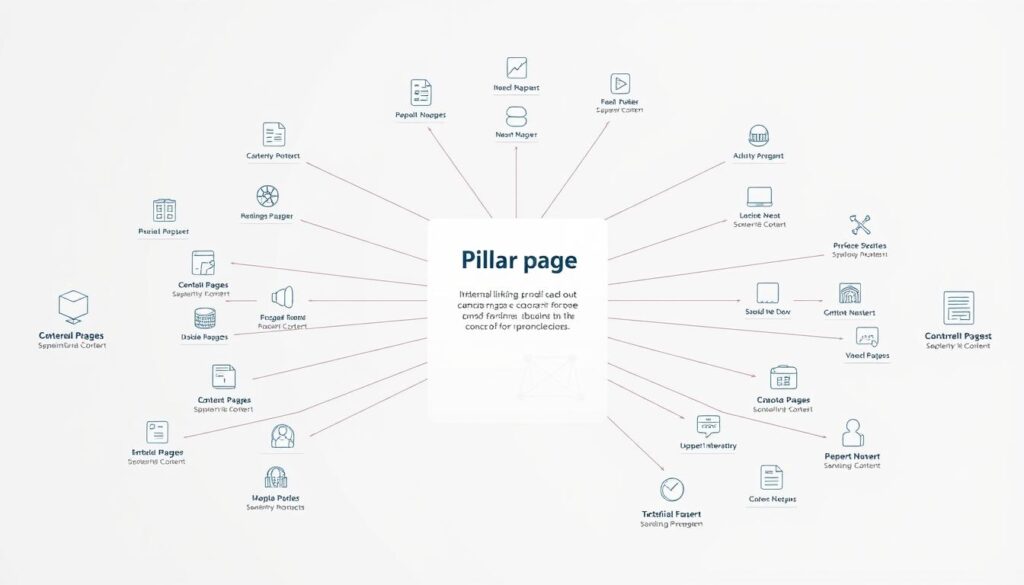
Building Topical Authority through Internal Linking
Strategic internal linking acts as glue connecting your pillar page to cluster content. Backlinko’s case study shows brands using bidirectional links between pillar and cluster pages achieve 3x faster ranking improvements. This approach signals expertise to algorithms while keeping visitors engaged with relevant material.
| Metric | With Pillar Pages | Without Pillar Pages |
|---|---|---|
| Avg. Dwell Time | 4.2 minutes | 1.8 minutes |
| Bounce Rate | 38% | 62% |
| Internal Clicks | 9.1 per session | 2.3 per session |
Properly linked topic clusters help search bots map your site’s content hierarchy. SEMrush found sites using this method reduced bounce rates by 40% within three months. Users stay longer when they find comprehensive guides instead of fragmented articles.
For best results, audit existing content monthly. Identify orphaned pages and connect them to relevant pillar pages. This strengthens your website’s topical authority while improving crawl efficiency for better search results.
How to Write Pillar Posts
Building authoritative pillar pages starts with strategic planning. Moz’s 2024 study shows brands spending 3x more time on research than writing achieve 89% higher organic visibility. Begin by mapping your core topic cluster using tools like AnswerThePublic to identify subtopics users care about.
“Content architecture determines 70% of a pillar post’s success. Outline first, write second.”
Effective formats vary based on audience needs:
| Format | Best For | Structure |
|---|---|---|
| Comprehensive Guide | Educational resources | 10+ chapters with actionable steps |
| How-To Article | Problem-solving | Checklists + visual tutorials |
| Resource Page | Ongoing reference | Curated tools + expert insights |
Avoid common mistakes like targeting overlapping keywords across multiple pages. SEMrush’s Content Gap Tool helps identify unique search opportunities. HubSpot’s “Email Marketing Guide” demonstrates proper execution – it’s been updated 14 times since 2019 without losing core relevance.
Evergreen content creation requires balancing depth with adaptability. Include timestamped examples that can be easily refreshed. Ahrefs maintains 92% of their pillar posts’ traffic through quarterly updates addressing algorithm changes.
Step-by-Step Process for Creating a Pillar Page
Crafting a high-impact pillar page starts with laser-focused alignment between audience needs and search demand. Begin by identifying core themes that answer your niche’s most pressing questions. Tools like SEMrush’s Topic Research reveal content gaps and trending subtopics – essential data for building a comprehensive pillar page strategy.
Brainstorming and Topic Research
Start with broad concepts like “email marketing” or “social media management.” Analyze forums, competitor content, and Google’s “People also ask” sections. Validate ideas using Keyword Planner to check search volume and difficulty. Prioritize topics with 1,000+ monthly searches and low competition scores.
Organizing Content and Keyword Strategy
Map subtopics into clusters using a spreadsheet. Assign primary keywords to your pillar page (e.g., “content strategy framework”) and secondary terms to supporting pages (“SEO content audits”). SEMrush’s Content Gap Tool prevents overlap by showing unused opportunities. For example, a “digital marketing” pillar might link to cluster pages about TikTok ads or email automation.
Structure your page with clear sections using H2/H3 tags. Include tables comparing tools or checklists for complex processes. This approach boosts crawlability while helping readers find answers faster. Update quarterly with fresh data to maintain search engine relevance.
Essential Content Elements for Pillar Posts
High-performing pillar pages combine depth with enduring value. They serve as permanent reference hubs while adapting to industry shifts. Backlinko’s research shows evergreen resources generate 83% more backlinks than time-sensitive articles.
Creating Evergreen and Resource-Rich Content
Effective pillar pages balance detailed analysis with clear organization. Start with actionable frameworks rather than fleeting trends. HubSpot’s content strategy guide includes downloadable templates updated annually – a tactic that doubled their organic traffic retention.
Three elements define standout resources:
- Modular structure: Break complex topics into scannable sections with jump links
- Multi-format support: Embed videos, comparison charts, and interactive tools
- Timeless core: Focus on principles that remain relevant despite algorithm changes
Hunter’s email outreach guide demonstrates this approach. Quarterly updates refresh statistics and tool recommendations, while core sections about writing principles stay intact. This maintains search engine rankings while keeping the page useful for newcomers.
| Element | Evergreen Example | Outdated Approach |
|---|---|---|
| Research Data | 2024 industry benchmarks with annual update plan | 2021 statistics without refresh reminders |
| Visual Assets | Customizable templates in multiple file formats | Static screenshots from deprecated tools |
| Internal Links | Contextual anchors like “email marketing KPIs” | Generic “click here” phrases |
Hubstaff’s productivity pillar page strategy uses checklists and video walkthroughs to cater to diverse learning styles. Their 47% increase in time-on-page proves resource-rich formats boost engagement. Always connect supporting cluster pages using specific keyword anchors rather than generic terms.
Designing for Readability and User Engagement
Visual design transforms dense information into engaging experiences. A user-friendly layout keeps visitors scrolling while improving content retention. Moz’s 2024 study found pages with strong visual hierarchies retain 73% more readers than text-heavy formats.
Enhancing User Experience with Design Elements
Break content into digestible sections using headers and bullet points. Backlinko’s SEO guide uses a fixed table of contents – readers jump to sections without losing context. White space between paragraphs reduces cognitive load, increasing average reading time by 31%.
Key design components for pillar pages include:
| Element | Purpose | Example |
|---|---|---|
| Responsive Images | Adapt to mobile screens | HubSpot’s resizing infographics |
| Sticky Navigation | Quick access to sections | Ahrefs’ floating chapter menu |
| Color Contrast | Improve text legibility | SEMrush’s dark mode option |
Analytics reveal pages with clear visual cues see 52% lower bounce rates. Heatmap tools like Hotjar show where readers engage most – use this data to position key content. Always test designs across devices; 61% of users access pillar content via smartphones.
For actionable pillar page strategy tips, analyze top-performing examples. Neil Patel’s marketing guides use progress trackers to encourage scrolling. Update layouts quarterly based on user feedback to maintain relevance and search engine favor.
Integrating Topic Clusters for Better SEO
Strategic content ecosystems thrive on organized connections between core themes and subtopics. SEMrush data shows websites using topic clusters see 58% higher organic visibility compared to standalone pages. These interconnected groups help search engines map your expertise while guiding users through related concepts.
Managing Internal Links and Supporting Content
A topic cluster consists of one pillar page and multiple supporting articles. HubSpot’s content strategy team links each cluster page back to the main resource using 3-5 contextual anchors. This bidirectional linking creates a content web that boosts crawl efficiency and distributes authority.
| Anchor Text Type | Effective Example | Generic Example |
|---|---|---|
| Keyword-Focused | “Ecommerce SEO checklist” | “Click here” |
| Question-Based | “How to optimize product pages” | “Learn more” |
| Action-Oriented | “Download mobile SEO guide” | “Read article” |
Better Homes & Gardens’ organic gardening cluster demonstrates this approach. Their pillar page links to 27 subtopic guides covering soil preparation to pest control. This structure helped them rank for 1,200+ keywords within six months.
Three technical benefits emerge from proper cluster management:
- Search bots discover new pages 83% faster
- Page authority spreads evenly across related content
- Users explore 4x more pages per session
Audit clusters quarterly using tools like Screaming Frog. Identify broken links and update outdated references. HubSpot’s team revises 22% of their cluster content monthly to maintain alignment with algorithm changes.
Promotion Strategies and Performance Metrics
Amplifying your content’s reach requires strategic distribution paired with precise measurement. Backlinko’s analysis reveals pages using multi-channel promotion gain 3x more organic traffic than those relying solely on search engine visibility. Start by aligning distribution channels with your audience’s preferences – LinkedIn for B2B topics, Pinterest for visual subjects.
Content Distribution Tactics
Combine organic and paid methods for maximum impact. Repurpose pillar pages into webinar slides or podcast episodes. Email campaigns drive 42% of HubSpot’s returning visitors – segment lists by user interests for higher open rates.
Influencer collaborations boost credibility. Backlinko’s case study shows co-created guides generate 67% more backlinks than solo efforts. Guest posts on industry sites should include contextual links to your main resource, not just homepage URLs.
Measuring Success with Analytics
Track these core metrics in Google Analytics:
| KPI | Healthy Range | Tool |
|---|---|---|
| Organic Traffic | 15% MoM growth | Search Console |
| Engagement Rate | >50% scroll depth | Hotjar |
| Conversion Rate | 3-5% | Google Goals |
Dwell time under 90 seconds signals content gaps. Update underperforming sections using Ahrefs’ keywords gap analysis. One SaaS company increased conversions by 120% after adding video walkthroughs to their pillar page based on scroll heatmaps.
Regularly audit referral sources. Shift efforts to channels driving quality traffic – Backlinko found 73% of their top leads came from just two platforms. Balance quantitative data with user feedback to refine your content strategy continuously.
Advanced Tips for Sustained Content Success
Maintaining content relevance requires treating your pillar pages as living documents. HubSpot’s 2024 case study revealed brands updating resources quarterly see 61% higher retention rates than those publishing static guides. Start by embedding feedback loops into your page maintenance routine.
Leveraging User Feedback
Direct input reveals gaps analytics miss. Backlinko’s team uses embedded surveys asking, “What’s missing from this guide?” This tactic identified 37% of their top-performing updates. Heatmap tools like Crazy Egg show where readers linger or exit – crucial data for restructuring complex sections.
“Feedback transforms assumptions into actionable insights. Our highest-traffic page evolved through 23 user-suggested revisions.”
Continuous Content Improvements
A/B test headlines, CTAs, and media placements monthly. SEMrush found alternating video tutorials with text explanations increased conversions by 29%. Use Google Optimize to compare versions without disrupting user search experiences.
| Test Element | Impact | Tool |
|---|---|---|
| Header Format | +18% Scroll Depth | Hotjar |
| CTA Placement | +34% Conversions | Unbounce |
| Image Types | +22% Social Shares | Canva |
Quarterly audits prevent resource decay. Compare your pages against competitors using Ahrefs’ Content Gap analysis. One SaaS company regained 14 lost rankings by updating statistics and adding expert commentary to aging topic guides.
HubSpot’s revision process combines automated alerts for trending queries with manual quality checks. This hybrid approach keeps their 150+ pillar pages fresh while preserving core SEO value. Remember – sustained success comes from evolution, not one-time creation.
Conclusion
Strategic content architecture drives lasting SEO success. Well-structured pillar pages establish website authority while organizing information into logical clusters. By connecting core themes to detailed subtopics, these resources improve crawl efficiency and keep visitors engaged through smart internal linking.
Successful execution requires careful planning. Start with audience-focused research, design scannable layouts, and maintain bidirectional connections between pages. Regular updates based on performance metrics ensure content stays relevant as algorithms evolve. HubSpot’s 67% traffic growth proves this approach boosts search engine rankings and builds topical dominance.
Immediate action yields measurable results. Begin mapping your central topic hub today, using tools like SEMrush for keyword gaps and heatmaps for user behavior insights. Prioritize evergreen frameworks over trendy tactics, and watch organic visibility climb through consistent refinement. Your next high-performing page starts now – apply these principles to create resources readers and algorithms value equally.
FAQ
What’s the difference between pillar posts and cluster pages?
How do pillar pages improve search engine rankings?
What steps ensure effective keyword research for pillar content?
Why is evergreen content critical for pillar posts?
How can design elements boost engagement on pillar pages?
What role do topic clusters play in SEO strategy?
Which metrics matter most when evaluating pillar page success?
How often should pillar content be updated?
About The Author
