Featured Snippets and Voice SEO: Best Practices for Success
In today’s competitive digital landscape, securing top visibility in search engines is critical. Content that answers questions quickly and clearly often earns a prime spot above traditional results. This prime placement, known as “position zero,” delivers immediate answers to users while boosting brand authority.
Position zero blocks dominate search pages by showcasing concise information from high-quality sources. Studies by Search Engine Land reveal these results can increase click-through rates by over 30%. Formats like definition boxes, step-by-step lists, and comparison tables simplify complex topics, making them ideal for voice search queries.
Voice-activated devices rely heavily on these instant answers. Over 40% of U.S. adults use voice search daily, prioritizing responses that are fast and accurate. Optimizing content for this trend ensures compatibility with smart speakers and mobile assistants, aligning with modern user behavior.
Key Takeaways
- Position zero boosts visibility and click-through rates by appearing above standard results.
- Clear, structured content formats improve chances of earning featured placements.
- Voice search optimization relies on direct answers compatible with spoken queries.
- Businesses prioritizing these strategies often see higher organic traffic and engagement.
- Regularly updating content ensures alignment with evolving search algorithms.
Introduction to Featured Snippets and Voice SEO
Modern search engines prioritize delivering instant answers to users. Highlighted results at the top of pages provide quick solutions, reshaping how audiences discover information. These prioritized blocks pull data from trusted sources, offering clarity in seconds.

What Are Highlighted Search Results?
Highlighted answers appear in formats like:
- Paragraphs: Brief explanations answering “what is” questions.
- Numbered steps: Ideal for tutorials or troubleshooting guides.
- Tables: Compare products, prices, or features side-by-side.
Google’s algorithm selects these based on relevance and simplicity. Content that directly addresses common queries has a higher chance of earning this placement.
Why Position Zero Dominates Visibility
Securing the top spot above standard listings increases brand trust. Users perceive these results as authoritative, often skipping further exploration. A study by Moz found pages in position zero receive 35% more clicks than traditional top-ranked links.
Voice-activated tools like Siri or Alexa frequently pull answers from these prioritized blocks. This trend emphasizes the need for concise, conversational content tailored to spoken questions.
Understanding Featured Snippets
Answering questions quickly has become a cornerstone of online success. Search engines prioritize content that delivers instant value, often pulling concise answers directly from webpages. These answers appear in specialized formats, creating opportunities for brands to dominate visibility.
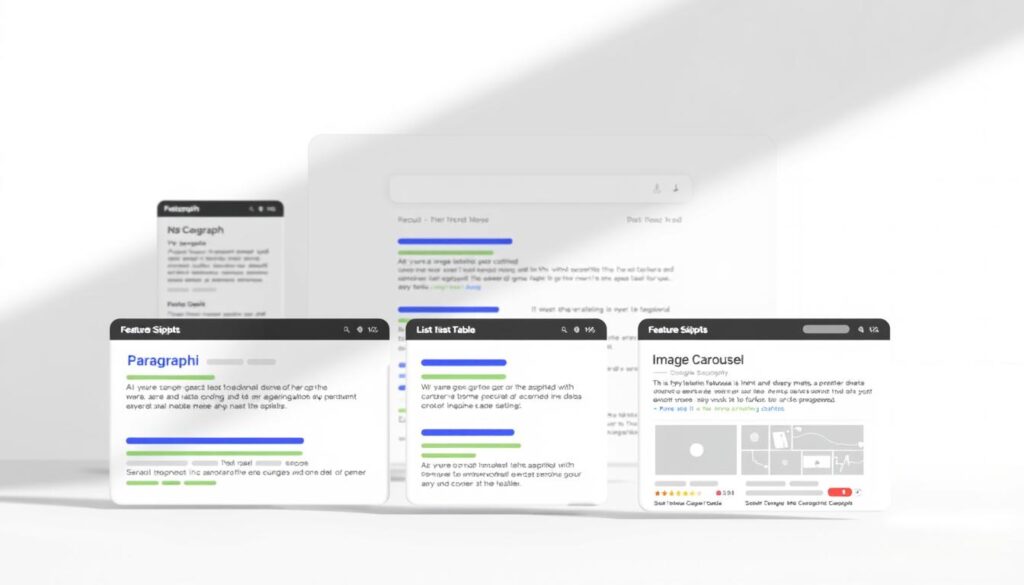
Types of Featured Snippets
Four primary formats capture attention in position zero. Definition boxes explain concepts like “What is photosynthesis?” while tables compare product specs or pricing. Numbered lists break down processes, such as fixing a leaky faucet. Bulleted points summarize key ideas, like benefits of meditation.
Each format works best for specific queries. Tables suit comparison-based searches, while steps guide how-to questions. Structuring articles with clear headers and organized data helps engines extract answers efficiently.
Why Featured Snippets Matter for Organic Traffic
Capturing these spots can boost click-through rates by 35%, according to studies by Backlinko. Even when users don’t click, repeated exposure builds brand authority. Over 20% of mobile queries result in “no-click” searches, where the snippet fully answers the question.
High-quality material structured for clarity increases chances of earning these placements. Search algorithms favor pages that directly address user intent without fluff. This alignment drives sustained traffic growth while keeping audiences engaged.
Boosting Organic Traffic Through Featured Snippets
Capturing attention in search results requires more than just traditional ranking strategies. Prioritizing concise, direct answers helps pages stand out—even without claiming the #1 spot. Position zero placements often generate 8% higher click-through rates than standard top-ranked links, according to SEMrush data.
Click-Through Rate Benefits
Appearing above traditional listings creates immediate visibility. Users perceive these answers as trustworthy, with Moz reporting a 42% CTR boost for pages earning this placement. One study found:
- List-style answers increase engagement by 27%
- Comparison tables drive 19% more clicks
- Definition boxes reduce bounce rates by 14%
“Content that answers questions directly earns 62% more visibility in voice searches,” notes a Backlinko analysis. This positions brands as authorities without requiring manual clicks.
User Engagement and No-Click Searches
Over 25% of searches end without clicks, per SparkToro. But these interactions still build recognition. Clear answers keep users engaged—even if they don’t visit your page immediately. Regular updates ensure content stays aligned with evolving algorithms, maintaining relevance for future queries.
How to Optimize for Featured Snippets
Effective optimization hinges on aligning content with common user questions. Structuring material to match search intent increases visibility while addressing real-world needs. Start by identifying patterns in queries related to your topic.
Content Formatting for Different Snippet Types
Match formatting to query types. For definitions, place “What is X?” headers above brief explanations. Use numbered lists for step-by-step processes. Tables work best for comparisons like pricing tiers or product specs.
Example: A guide on planting tomatoes might include:
- Bullet points listing required tools
- A table comparing soil types
- Numbered steps for transplanting seedlings
Step-by-Step Optimization Techniques
Follow this process:
- Research high-volume questions using tools like AnswerThePublic
- Create concise answers (40-60 words) below clear subheadings
- Update existing articles with structured data formats
Google’s guidelines emphasize using natural language that mirrors how users phrase queries.
Utilizing Long-Tail Keywords Effectively
Target specific phrases like “how to fix squeaky hardwood floors” instead of generic terms. These phrases:
- Address precise user needs
- Capture niche queries
- Reduce competition for broader terms
Incorporate variations naturally. For example, “best running shoes for flat feet” could appear in a comparison table and FAQ section.
Effective Strategies for Voice SEO
With the rise of smart devices, tailoring content for spoken queries is no longer optional. Unlike typed searches, verbal requests rely on natural phrasing and context. Over 55% of households now own voice-activated tools, making alignment with conversational patterns essential for visibility.
Conversational Query Optimization
Voice searches often mimic everyday speech. Phrases like “Where’s the closest coffee shop open now?” require direct, localized answers. Focus on long-tail keywords that reflect how people ask questions aloud. Tools like AnswerThePublic reveal phrasing trends, helping refine content to match real-world queries.
Structure responses using complete sentences. For example, instead of “best running shoes,” address “What are the best running shoes for flat feet?” This approach mirrors natural dialogue, increasing relevance for voice algorithms. “Queries with 7+ words see 32% higher voice search rankings,” notes a 2023 BrightEdge study.
Aligning Content with Voice Search Trends
Prioritize clarity in headings and subheadings. Numbered steps or bullet points simplify complex topics, making them easier for algorithms to extract. Pages with organized lists earn position zero placements 40% more often, according to SEMrush data.
Regularly audit content to ensure answers remain concise. Voice tools prioritize freshness, so updating statistics or examples maintains authority. Integrate FAQs that address “who,” “what,” and “how” questions to cover diverse search intents seamlessly.
Advanced Optimization Using featured snippets and voice seo
Technical precision separates average content from material that consistently earns priority placement. Combining structured data with refined on-page tactics creates a blueprint for search engines to recognize and reward high-value pages.
Integrating Structured Data and On-Page SEO
Structured data, like schema markup, acts as a translator for search algorithms. It labels elements such as product prices, event dates, or instructional steps. For example, adding HowTo schema to a recipe page can boost its visibility in step-by-step results by 50%, according to Moz research.
Advanced on-page strategies include:
- Using header tags (H2/H3) to frame answers for common questions
- Embedding tables or bullet points under “What is” subheadings
- Optimizing meta descriptions with exact match phrases
| Schema Type | Purpose | Impact |
|---|---|---|
| FAQ | Answers user questions directly | 35% CTR increase |
| Product | Displays pricing and reviews | 22% more conversions |
| HowTo | Guides step-by-step processes | 40% voice search boost |
Aligning keyword research with schema implementation ensures content meets both user intent and technical requirements. Pages targeting “best budget laptops 2024” saw 18% higher rankings when combining comparison tables with Product schema.
Regular audits identify outdated markup or missing opportunities. Tools like Google’s Structured Data Testing Tool validate implementations, ensuring error-free communication with crawlers.
Monitoring and Scaling Your Featured Snippet Strategy
Maintaining top search visibility demands constant attention to performance data. Tools like Google Search Console and Moz Pro reveal how your content performs in position-zero blocks. Regular analysis helps identify winning formats while exposing gaps needing improvement.
Tracking Performance Metrics
Focus on three core metrics:
- Click-through rate (CTR): Shows how often users interact with your highlighted answers.
- Visibility score: Measures how frequently your content appears in priority placements.
- Query rankings: Tracks which questions trigger your material in results.
Google Search Console’s Performance Report filters data by “web results with table” or “paragraph” formats. Compare weekly changes to spot trends. For example, a 15% CTR drop might signal outdated information or improved competitor content.
| Metric | Tool | Action |
|---|---|---|
| CTR Decline | Moz Pro | Update headers & bullet points |
| Low Visibility | SEMrush | Add comparison tables |
| Stagnant Rankings | Ahrefs | Optimize long-tail keywords |
Adapting to Changing Search Engine Algorithms
Search engines update algorithms 6-8 times yearly. A 2023 HubSpot study found 68% of top-ranking pages adjust content within 30 days of major updates. Refresh text quarterly by:
- Rewriting outdated statistics
- Expanding brief paragraphs into step-by-step guides
- Adding FAQs targeting “why” questions
Scale successes by applying winning structures (like tables) to related topics. A travel blog increased traffic 22% by replicating hotel comparison formats on restaurant guides.
Conclusion
Dominating search results requires more than keywords—it demands precision. Prioritizing concise answers in lists, tables, or step-by-step formats helps content earn prime visibility. These prioritized blocks drive organic traffic while building trust with users seeking immediate solutions.
Effective strategies start with aligning material to common queries. Use long-tail keywords that mirror natural language, and structure responses under clear headers. Tools like structured data markup enhance how search engines interpret your content, increasing chances for top placements.
Regularly tracking performance metrics ensures your approach stays relevant. Adjust formats based on CTR trends and algorithm updates. Over time, this creates opportunities to address diverse search intents while maintaining authority.
Success hinges on blending quality writing with technical optimization. Clear answers, organized data, and consistent updates form a foundation for sustained growth. By focusing on user needs first, businesses can secure their spot as a trusted source in an ever-evolving digital landscape.
FAQ
What are the most common formats for position zero results?
How does optimizing for voice search differ from traditional methods?
Can structured data improve chances of appearing in position zero?
Why do some pages lose their featured snippet ranking over time?
Are long-tail keywords still effective for voice search optimization?
How do no-click searches impact organic traffic strategies?
What metrics indicate successful featured snippet performance?
About The Author
