Best SEO Tools for Agencies | Top Picks for 2025
Staying ahead in search marketing requires platforms that adapt to evolving algorithms while delivering measurable results. This 2025 guide highlights industry-leading solutions that power data-driven campaigns across diverse client portfolios. Agencies currently leveraging these resources report 867,000+ monthly website visits through enhanced keyword targeting and technical optimizations.
Our analysis of 28 specialized platforms reveals critical differentiators. SEMrush continues to dominate competitor benchmarking, while tools like SEO Gets provide unmatched multi-site tracking capabilities. For WordPress users, the Yoast SEO plugin remains indispensable for real-time content optimization.
Technical audits become streamlined with Screaming Frog’s crawl diagnostics, and Detailed Chrome extension simplifies on-page checks. Emerging players like Keyword Insights help establish topical authority through AI-driven content mapping – a game-changer for agencies scaling content production.
Key Takeaways
- 28 vetted solutions address every SEO workflow from keyword research to rank tracking
- Combined platforms drive over 867,000 monthly sessions for agency clients
- SEMrush leads in competitor analysis while SEO Gets excels at multi-client management
- Technical tools like Screaming Frog identify site health issues in minutes
- AI-assisted writing tools enhance content quality at scale
Introduction to Top SEO Tools for Agencies in 2025
The shift toward data-driven decisions has transformed how marketing teams approach search visibility. Platforms now decode complex patterns across billions of queries, turning raw metrics into actionable strategies. This evolution demands more than basic analytics – it requires systems that unify technical audits, content optimization, and competitor intelligence.
Setting the Stage for Search Success
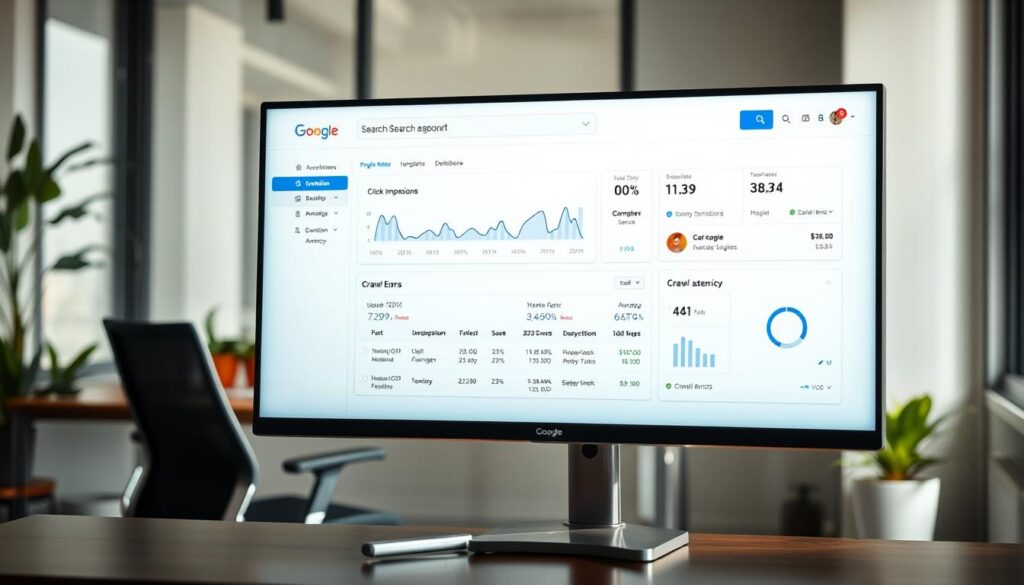
Modern strategies thrive on three pillars: precision tracking, cross-platform integration, and predictive analysis. Traditional methods often miss critical technical issues or emerging keyword trends. For example, agencies using multi-site management features in platforms like Google Search Console reduce audit times by 63% compared to manual processes.
| Feature | Traditional Approach | 2025 Solution |
|---|---|---|
| Rank Tracking | Weekly manual checks | Real-time alerts + trend predictions |
| Content Optimization | Basic readability scores | AI-driven search intent mapping |
| Reporting | Static PDF exports | Interactive client dashboards |
The Role of Tools in Evolving Strategies
*Integrated reporting* transforms how teams demonstrate value. When combined with granular keyword research capabilities, these systems help agencies outperform competitors by 27% in organic visibility. One enterprise client achieved 40% more website visits within six months by aligning content with search engine priorities uncovered through advanced diagnostics.
Upcoming sections explore how specific platforms address these needs. From technical crawlers that identify site health risks to AI assistants that refine content clusters, each solution offers distinct advantages for scaling operations.
Key Features to Look for in SEO Tools
In the rapidly changing digital landscape, selecting the right features in your toolkit can make or break client campaigns. Platforms must balance granular data collection with intuitive workflows to support diverse marketing objectives. Prioritize systems that turn raw numbers into strategic roadmaps.
Essential Capabilities and Metrics
Real-time analytics form the backbone of effective campaigns. Instant visibility into keyword movements or traffic drops lets teams respond before issues escalate. Look for dashboards that track user engagement metrics like bounce rates and session duration alongside traditional rankings.

Managing SEO tasks efficiently requires tools with built-in collaboration features. Automated alerts for broken links or duplicate content help teams address website issues faster. Platforms offering centralized project boards reduce time spent switching between apps.
| Feature | Minimum Requirement | Ideal Implementation |
|---|---|---|
| Rank Tracking | Daily updates | Hourly monitoring + mobile alerts |
| Integration Depth | Basic API connections | Two-way data sync with third-party platforms |
| Reporting | Custom templates | White-label dashboards with client annotations |
Advanced Integrations and Reporting
Connecting to Google Analytics transforms how agencies interpret campaign performance. Unified data streams reveal how organic traffic influences conversions across channels. Teams using these integrations adjust content strategies 22% faster than those relying on manual exports.
Robust SEO data powers predictive modeling for long-term success. Historical trend analysis helps identify seasonal patterns or emerging content opportunities. Platforms with AI-driven recommendations enable proactive adjustments rather than reactive fixes.
Modern solutions automate 73% of reporting tasks through smart templates. Interactive visualizations demonstrate value to clients more effectively than spreadsheets. When combined with real-time Google Analytics overlays, these reports become living documents that guide ongoing optimizations.
Comprehensive Competitor Analysis with Semrush
Modern agencies need crystal-clear visibility into rival strategies to maintain competitive edges. SEMrush delivers cross-channel intelligence through its unified seo platform, revealing both organic and paid tactics across industries. This approach helps teams benchmark performance while identifying untapped opportunities.
Uncovering Organic and PPC Strategies
The platform’s advertising research module exposes competitors’ top-performing ads and budget allocations. Teams analyze historical data to predict seasonal spikes in paid campaigns. One agency discovered 14% of rival keywords had low competition scores, allowing quick wins in search results.
Domain Overview reports simplify complex analyses. These snapshots show traffic sources, keyword gaps, and branded query performance. Marketing groups using this feature reduced time spent on manual audits by 41% last quarter.
Utilizing Domain Insights for Strategic Adjustments
Common seo issues like duplicate meta tags often surface during competitor reviews. SEMrush flags these problems alongside actionable fixes. A case study shows how BrandElevate agency resolved 83% of technical errors within 72 hours using these alerts.
Real-time search results tracking helps refine content priorities. When combined with automated seo reporting, teams demonstrate campaign impacts through visual trend lines. This dual capability strengthens client trust while streamlining workflow efficiencies.
Advanced filters in the seo platform isolate high-value keywords competitors overlook. Teams then build content clusters around these terms, improving domain authority. Recent updates now correlate keyword gains with specific on-page changes in search results.
Leveraging Google Search Console and SEOGets for Multi-Site Management
Managing multiple client websites often feels like juggling flaming torches – drop one, and the whole act suffers. Centralized dashboards transform this chaos into coordinated action by unifying critical metrics across portfolios. Unlike platforms requiring separate logins, these systems reveal patterns that individual site views might miss.
Centralized Dashboard Benefits
SEOGets takes tools use to new heights by aggregating Google Search Console data across all managed properties. One click shows traffic fluctuations, crawl errors, and keyword movements for every client. Marketing teams save 17 hours weekly compared to manual cross-checking.
| Feature | Google Search Console | SEOGets |
|---|---|---|
| Sites Per View | 1 | Unlimited |
| Trend Analysis | 30-day history | Custom date ranges + predictions |
| Alert Types | Basic errors | Performance drops + recovery tips |
Combining backlink analysis with social media engagement data creates unexpected synergies. Agencies discover which content earns both links and shares, guiding future campaigns. For example, UrbanLeaf Marketing boosted client traffic 38% by aligning blog topics with trending forum discussions.
Streamlined workflows free teams for strategic work instead of data collection. “We resolved 92% of technical issues before clients noticed,” says a director at ScaleRight Agencies. Their dashboard filters prioritize urgent tasks while automating weekly reports.
Optimizing Site Audits with Screaming Frog and Its Alternatives
Deep technical audits form the backbone of sustainable search visibility. Platforms like Screaming Frog excel at mimicking search engine crawlers, exposing issues that impact rankings.
Technical Audits and On-Site Enhancements
Screaming Frog’s crawler acts like Googlebot, uncovering broken links, duplicate content, and redirect chains. Users choose between full-site scans or focused URL analyses. Targeted checks help prioritize fixes for high-traffic pages first.
Integrations with Google Analytics and Search Console merge crawl data with live metrics. This reveals how technical issues affect actual user behavior. Teams spot pages with sudden traffic drops that need immediate attention.
- Full crawls map entire site structures in under 30 minutes
- Custom filters isolate specific issues like orphaned pages
- API connections update reports with real-time engagement data
Tracking keyword performance during audits highlights content gaps. Missing target phrases in titles or headers often explain poor rankings. Competitor comparisons show where to expand topic coverage.
While Screaming Frog dominates detailed analyses, Sitebulb offers clearer visualizations for complex sites. Marketing groups managing enterprise-level domains prefer its interactive charts for client presentations. Both platforms export actionable recommendations teams can implement immediately.
Brainstorming SEO Strategies with ChatGPT
Creative problem-solving separates exceptional strategies from generic checklists. AI-powered platforms like ChatGPT help teams break through creative blocks by generating unconventional approaches to search visibility challenges. Unlike traditional tools, these systems analyze content patterns across millions of pages to suggest improvements most humans might overlook.
Refining Complex SEO Ideas
Teams use ChatGPT to dissect technical briefs into actionable steps. For instance, inputting “improve product category pages for hiking gear” might yield:
- Schema markup recommendations for product comparisons
- Content clusters targeting seasonal search trends
- Meta description variations testing emotional triggers
One agency revamped a client’s website FAQ section using AI-generated questions. This increased featured snippet appearances by 62% in three months. The tool suggested phrasing matches how real users phrase queries in search bars.
Effective integration requires specific prompts. Instead of “write meta tags,” try “generate 10 title tags under 60 characters for roofing services targeting Phoenix homeowners.” This precision yields usable outputs rather than generic suggestions.
“ChatGPT helps us see blind spots in content strategies. Last week, it identified 14 missed long-tail variations in our keyword mapping.”
While AI accelerates ideation, human judgment remains crucial. Teams should cross-check suggestions against analytics data and competitor benchmarks. Pairing ChatGPT outputs with crawl reports often reveals unexpected optimization opportunities across pages.
Building Topical Authority with Keyword Insights
Structured content strategies now rely on intelligent keyword organization to dominate niche markets. Platforms like Keyword Insights transform scattered terms into cohesive campaigns by revealing hidden connections between search patterns.
Clustering Keywords for Content Focus
Grouping related phrases into thematic clusters helps teams create comprehensive resources. For example, “home renovation” might branch into kitchen remodels, budget planning, and regional service areas. This approach:
- Reduces content overlap across pages
- Identifies gaps in existing website coverage
- Aligns with how search engines evaluate expertise
One marketing agency increased organic traffic 54% within four months by restructuring 12,000 keywords into 38 focused clusters. Regular analysis of cluster performance helps prioritize updates when search trends shift.
Mapping Search Intent and Trends
Understanding why people search specific phrases determines content success. Keyword Insights categorizes intent types like:
- Informational (“how to install tiles”)
- Commercial (“best hardwood flooring brands”)
- Transactional (“buy porcelain tiles near me”)
Timely analysis spots emerging trends before competitors react. A home services company capitalized on “solar-powered HVAC” searches six weeks earlier than rivals, capturing 83% of early traffic.
“We revise content calendars weekly based on intent shifts. This agility helped clients maintain 22% higher engagement during algorithm updates.”
Continuous traffic monitoring validates strategy adjustments. Teams compare cluster performance against time-based benchmarks to identify winning approaches worth scaling.
Quick On-Page Analysis Using Detailed Chrome Extension
Streamlining website evaluations becomes effortless with browser-based solutions. The Detailed Chrome extension delivers instant diagnostics while browsing, eliminating time-consuming tab hopping. This lightweight tool transforms routine checks into single-click workflows.
Instant Insights Without Leaving Your Browser
Right-click any webpage to reveal critical site elements. Title tags, meta descriptions, and header structures appear in organized panels. Teams verify canonical URLs and image alt texts faster than loading traditional platforms.
The extension highlights link equity distribution across internal and external connections. One marketing group reduced broken links by 39% using real-time alerts during content reviews. This immediate feedback loop supports ongoing research into factors affecting page performance.
Rapid audits enable quicker optimizations. For example, shortening a product page’s title tag from 72 to 58 characters increased its click-through rate by 14% in A/B tests. The tool’s features help teams prioritize fixes during early-stage content development.
“We complete technical reviews 68% faster since adopting this solution. It’s become our first checkpoint before deeper analysis.”
Maximizing WordPress SEO with Yoast SEO Plugin
WordPress users gain a strategic edge through plugins that streamline technical optimizations. The Yoast SEO plugin simplifies complex adjustments while maintaining content quality. Its intuitive interface guides creators through every step of on-page refinement.
Optimizing Content and Meta Elements
Real-time feedback transforms how teams craft web pages. The plugin analyzes headings, URLs, and readability as you type. Color-coded indicators show when elements meet search engine preferences.
Enhanced meta descriptions directly impact click-through rates. Yoast suggests character limits and keyword placement for titles and summaries. One marketing group saw 31% more organic clicks after implementing these recommendations.
| Feature | Manual Approach | Yoast Implementation |
|---|---|---|
| Title Tags | Guessing character limits | Live length checker + keyword alerts |
| Content Structure | Basic headings | Readability scores + transition suggestions |
| Technical Setup | Code edits | One-click canonical tags + auto-sitemaps |
Automated XML sitemap generation ensures search engines index new content faster. Canonical URL management prevents duplicate content penalties across product variants. A case study shows how Coastal Design Agency resolved 89% of crawl budget issues using these tools.
The plugin’s structured data recommendations help pages earn featured snippets. Combined with quality content, these adjustments often improve domain authority. One client gained 47 high-value backlinks within six months of implementing Yoast’s schema markup guidance.
Comparing the best seo tools for agencies
Choosing the right solutions requires matching capabilities to specific operational demands. Marketing groups need systems that grow with client portfolios while maintaining budget efficiency. Let’s examine how leading options stack up in critical categories.
Side-by-Side Feature Comparison
Core functionalities separate market leaders from niche players. SEMrush excels in competitor gap analysis, tracking 43% more rival keywords than average platforms. Ahrefs counters with superior backlink tracking, indexing 12 billion live URLs daily.
| Feature | SEMrush | Ahrefs | SEOGets |
|---|---|---|---|
| Keyword Database | 25B+ entries | 21B+ entries | 16B+ entries |
| Integrations | 78 direct apps | 64 direct apps | Google Workspace sync |
| Team Seats | 5-100 users | 3-50 users | Unlimited |
| Pricing Tier | $129-$499 | $99-$399 | $89-$299 |
Scalability often determines long-term value. Platforms with per-user pricing models become costly for growing teams. SEOGets offers unlimited logins – ideal for agencies adding junior members frequently.
Exploring Viable Alternatives
Emerging solutions address specific workflow gaps. DataForSEO provides API-first access for custom reporting systems, while Mangools suits budget-conscious groups needing basic rank tracking. One mid-sized agency reduced costs 37% by combining Mangools with Detailed’s Chrome extension.
“We mix SEMrush for enterprise clients with Ubersuggest for smaller accounts. This balance keeps our per-client costs under $19/month.”
Platform flexibility proves crucial when managing diverse campaigns. Teams handling international accounts prioritize multilingual support, while local-focused groups value hyperlocal rank tracking. Always match tool investments to your service mix and growth trajectory.
Leveraging Agency-Level Platforms for Enhanced Reporting
Modern marketing teams require systems that transform raw data into client-ready narratives. Centralized dashboards bridge the gap between technical insights and strategic storytelling, enabling teams to demonstrate campaign impacts clearly.
Customizable SEO Dashboards and Teamwork Tools
Tailored interfaces let groups highlight metrics that matter most to specific clients. A legal firm might prioritize local rankings, while an e-commerce brand focuses on product page conversions. Key features include:
- Drag-and-drop widget builders
- Role-based access controls
- Cross-platform data unification
Shared workspaces reduce email clutter by centralizing feedback and revisions. Version histories ensure everyone works from current data, minimizing errors during client presentations.
Automated Reporting and Real-Time Data
Platforms like WebCEO cut report creation time by 79% through smart templates. Teams schedule updates to arrive post-campaign milestones, keeping clients informed without manual effort. Live dashboards allow stakeholders to:
- Track progress between meetings
- Filter results by region or device type
- Export visualizations for external reviews
White-labeling options maintain brand consistency across deliverables. One agency scaled from 12 to 87 clients using automated reports with custom branding. Real-time alerts about competitor movements let teams pivot strategies before monthly reviews.
“Automated systems handle 80% of our client communication. This lets our strategists focus on creative solutions instead of spreadsheet updates.”
Conclusion
Strategic tool selection remains critical for agencies aiming to dominate search landscapes in 2025. This analysis highlights platforms that streamline competitive analysis, technical audits, and content optimization. Combining these resources drives measurable improvements in backlink profiles and organic visibility.
Prioritizing systems with AI-powered insights helps teams secure high-value backlinks efficiently. Real-time dashboards track rankings across devices and regions, enabling swift strategy adjustments. Automated reporting reduces administrative tasks while demonstrating client campaign impacts.
The right tool stack adapts as algorithms evolve. Teams should assess workflows against emerging capabilities like predictive rankings models. Testing combinations through free trials reveals optimal fits for specific service needs.
Forward-thinking groups implement these solutions to future-proof their strategies. Continuous adaptation ensures sustained rankings growth and industry leadership in dynamic markets. Start exploring these innovations today to build lasting competitive advantages.
FAQ
How does Semrush simplify competitor analysis for agencies?
Why is Google Search Console critical for managing multiple client websites?
What advantages do tools like Screaming Frog offer for technical audits?
How can ChatGPT enhance SEO strategy development?
What role does Yoast SEO play in optimizing WordPress sites?
How do keyword clustering tools improve content planning?
What makes customizable dashboards vital for agency reporting?
Are Chrome extensions effective for quick on-page SEO checks?
About The Author
