Affordable SEO Reporting Tools: Best Options for 2025
Tracking progress in organic search requires more than just compiling numbers. As Bryce Emley notes, the best platforms turn raw metrics into clear strategies. Modern teams need reports that highlight trends, identify gaps, and prioritize next steps—not endless spreadsheets.
Tools like AgencyAnalytics and SEMRush now focus on actionable insights. They visualize data trends, automate audits, and simplify competitor comparisons. This shift helps marketers explain results to stakeholders without drowning in technical jargon.
Expectations for reporting have evolved. Decision-makers want concise summaries tied to business goals. For example, a report might show how fixing crawl errors boosted traffic by 15% in three months. This approach turns abstract metrics into measurable outcomes.
Key Takeaways
- Effective reporting connects data to actionable strategies
- Visual dashboards simplify complex metrics for stakeholders
- Automated audits save time and reduce human error
- Competitor analysis tools highlight growth opportunities
- Affordable options exist without sacrificing critical features
Understanding SEO Reporting in 2025
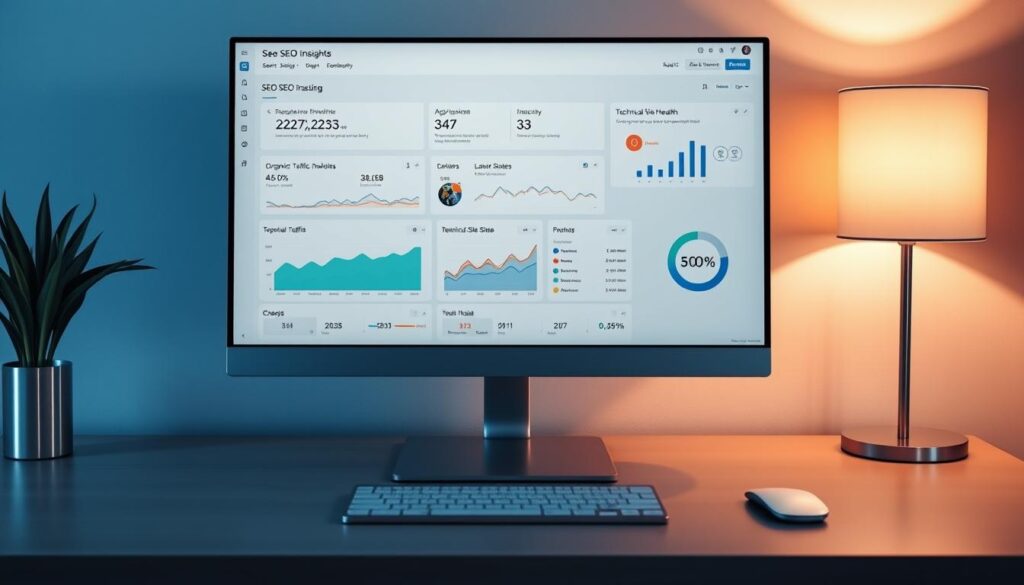
The era of data overload ends as clarity-driven analysis takes center stage in strategy development. Modern platforms now prioritize translating metrics into measurable outcomes, shifting focus from quantity to quality. Teams no longer waste hours sifting through spreadsheets—instead, they identify patterns that directly influence growth.
From Numbers to Narratives
Top-performing reports in 2025 connect keyword performance with content gaps. For example, tracking a target phrase’s ranking improvements alongside page engagement rates reveals what truly resonates with audiences. Bryce Emley emphasizes this balance: “Metrics without context are noise. Show how specific changes drive results.”
Building Reports That Matter
Valuable analysis highlights trends like click-through rate improvements or conversion spikes after technical fixes. Compare these two approaches:
| Focus Area | Data Dump Reports | Actionable Reports |
|---|---|---|
| Keyword Tracking | Lists 500 ranked terms | Highlights top 10 opportunities |
| Content Performance | Shows total page views | Identifies underperforming headlines |
| Traffic Analysis | Displays monthly visits | Links traffic surges to campaign dates |
Platforms like those discussed in effective reporting frameworks automate this differentiation. They spotlight crawl error resolutions that boosted organic visibility by 22% in one case study—a story raw numbers alone can’t tell.
Defining Effective SEO Reporting Tools
Cutting-edge platforms now prioritize strategic decision-making over mere data collection. The best solutions merge rank tracking, competitor insights, and marketing intelligence into unified workflows. These tools don’t just show where you stand—they reveal paths to outperform rivals.
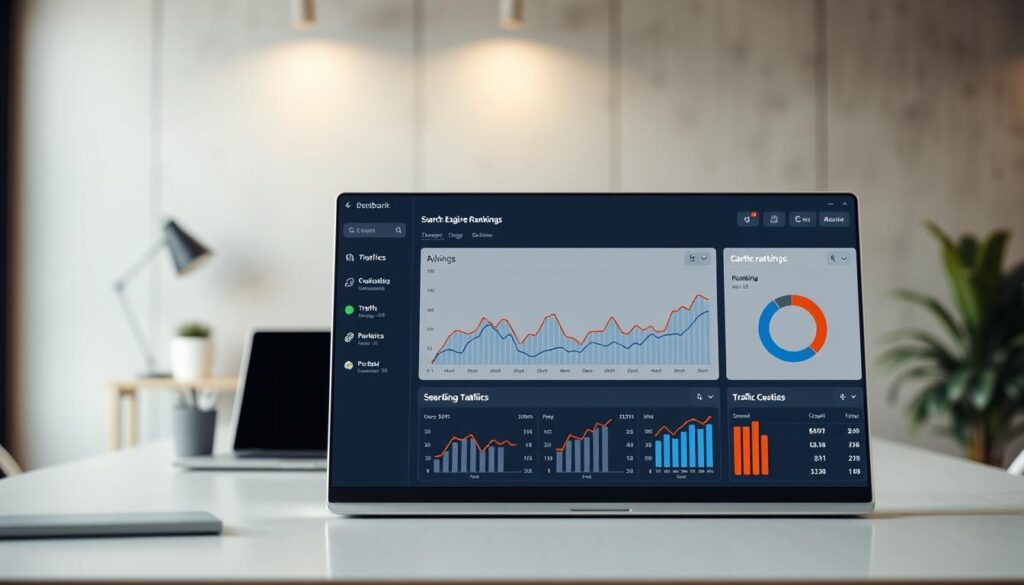
Accurate rank monitoring forms the backbone of any strategy. Tracking positions for target keywords helps teams spot trends, like sudden drops for high-value terms. One case study showed brands using this data to recover lost visibility 34% faster than those relying on manual checks.
Understanding competitors’ moves is equally critical. As Bryce Emley notes: “Seeing your rival’s content gaps or backlink surges turns guesswork into game plans.” Modern dashboards compare domain authority scores, top-performing pages, and ad strategies side-by-side.
Integrated platforms like SEMrush and Ahrefs excel here. Their visualizations map keyword difficulty against traffic potential, helping marketers prioritize efforts. Customizable widgets let users build reports highlighting metrics that matter most to stakeholders—no clutter, just clarity.
These tools succeed by transforming raw numbers into narratives. They answer pressing questions: Which pages need optimization? Where do competitors invest resources? How do search trends align with campaign goals? That’s the mark of truly effective solutions.
What Should an SEO Report Include?
Clear, actionable reports separate successful strategies from guesswork. Modern analysis requires balancing raw numbers with explanations of what they mean for growth. Focus on metrics that reveal progress toward specific objectives while leaving room for adjustments.
Key Metrics: Rankings, Traffic, and Conversion Goals
Three core elements form the foundation of impactful reports:
- Keyword positions showing visibility improvements
- Traffic trends revealing content performance
- Conversion paths linking visits to outcomes
Platforms like Google Search Console provide real-time tracking for these metrics. One case study found brands using its data reduced page load times by 40%—directly boosting mobile traffic.
Integrating Industry Best Practices
Effective reports connect metrics to operational changes. This table shows how top performers structure their analysis:
| Metric | Data Shown | Strategic Value |
|---|---|---|
| Top Pages | Most visited content | Identifies high-performing topics |
| Bounce Rates | Visitor engagement | Flags needing optimization |
| Goal Completions | Form submissions/sales | Measures ROI |
Quarterly audits help maintain this focus. As one marketing director noted: “Comparing crawl errors to traffic dips exposed faulty redirects we’d missed.” This approach turns technical data into clear action steps.
Always tie findings to business objectives. For example, show how fixing meta descriptions increased click-through rates by 18% in six months. That’s how metrics become momentum.
Affordable SEO Reporting Tools for Every Use Case
Modern businesses require tailored solutions that adapt to their unique operational demands. Platforms now specialize in addressing distinct workflows for agencies managing multiple clients, internal teams refining brand visibility, and local experts targeting hyper-specific markets.
Tailoring Reports for Agencies, In-House Teams, and Local SEO
Agency-focused platforms like DashThis automate white-label reports across client accounts. Features include customizable templates and performance benchmarks against industry standards. One case study showed agencies reducing report creation time by 50% while improving client retention rates.
Internal teams often prioritize integrations with existing systems. Platforms combining keyword research automation with search console data syncs help marketers align efforts with web analytics. For example, tracking how title tag adjustments impact click-through rates in google search results.
Local specialists benefit from geo-specific dashboards. Tools like BrightLocal track citation consistency and map pack rankings across service areas. A bakery chain used these insights to dominate neighborhood searches, increasing foot traffic by 28% in six months.
| Platform | Best For | Key Advantage |
|---|---|---|
| AgencyAnalytics | Multi-client management | White-label branding |
| SEMrush | Enterprise teams | Competitor gap analysis |
| BrightLocal | Local businesses | Review monitoring |
Cost-effective options eliminate the need for expensive custom builds. As one marketing director noted: “We switched to a specialized platform and immediately saw clearer paths to improving local visibility.” Prioritize tools that align with your team’s size, goals, and technical capacity.
Free SEO Reporting Tools to Launch Your Strategy
Launching a search strategy doesn’t require deep budgets—just the right free platforms. Google’s suite of analysis tools provides foundational insights for startups and lean teams. These solutions turn raw data into actionable steps without monthly fees.
Essential Platforms for Zero-Cost Insights
Google Search Console reveals crawl errors and keyword impressions. Pair it with Google Analytics to track user behavior across pages. One bakery startup used these tools to fix site speed issues, boosting mobile traffic by 33% in eight weeks.
Data Studio transforms numbers into visual stories. Marketers build interactive dashboards showing traffic sources or conversion trends. Shareable reports help teams align on priorities without complex explanations.
| Tool | Core Features | Best For |
|---|---|---|
| Search Console | Index coverage reports | Technical audits |
| Google Analytics | Behavior flow maps | Engagement tracking |
| Data Studio | Custom charts | Client presentations |
For advanced users, Screaming Frog crawls up to 500 URLs free. It identifies broken links and duplicate content quickly. Combine it with Rank Math’s WordPress plugin to optimize meta tags during content creation.
These platforms simplify competitor analysis. Track rivals’ top pages through Google’s “Comparison” feature or export data into spreadsheets. As highlighted in this comprehensive list, free tools often rival premium options for early-stage projects.
SEO Reporting Tools for Agencies
Agencies need solutions that scale while maintaining client-specific clarity. The right platforms streamline data collection and transform metrics into client-ready stories. Prioritize systems offering automated workflows and brand-aligned presentations to keep teams efficient and clients informed.
Streamlined Client Collaboration Features
AgencyAnalytics excels with white-label reports that mirror each client’s branding. Customizable dashboards let agencies highlight metrics like traffic growth or keyword gains specific to campaign goals. One agency director noted: “Clients instantly recognize their colors and logos, which builds trust in our recommendations.”
Deep-Dive Monitoring Capabilities
SE Rankings provides detailed technical audits, flagging issues from slow-loading pages to broken links. Its Google Analytics integration shows how fixes impact user behavior. Meanwhile, SEO PowerSuite tracks ranking fluctuations across devices—critical for mobile-first strategies.
| Platform | Core Features | Pricing Model |
|---|---|---|
| AgencyAnalytics | Unlimited client accounts | Per-user plans |
| SE Rankings | Localized rank tracking | Project-based tiers |
| SEO PowerSuite | Cross-device analytics | Free + paid upgrades |
These tools cut report creation time by 60% in one case study. Teams redirect saved hours toward strategy refinement or client consultations. Monthly plans with unlimited seats prove cost-effective for growing agencies handling 20+ accounts.
Choose platforms offering real-time alerts for sudden ranking drops or traffic spikes. Immediate notifications let teams address issues before clients spot them—proactive service that strengthens partnerships.
SEO Reporting Tools for In-House Teams
Internal marketing teams require platforms that turn search engine data into growth plans. Unlike agencies, in-house groups need deep integration with existing workflows and clear paths from metrics to action. The right solution balances technical depth with team-friendly interfaces.
SEMRush, Ahrefs, and Moz Pro: A Comparative Look
SEMRush excels in real-time rank tracking across devices. Its Position Tracking tool updates keyword rankings hourly, helping teams spot sudden drops. The platform also offers competitor gap analysis, showing where rivals outperform your content.
Ahrefs focuses on backlink intelligence alongside rank monitoring. Its Site Explorer reveals which pages attract the most organic traffic. Teams use this to refine content strategies. The rank tracker also offers historical data, showing trends over 12+ months.
Moz Pro simplifies local search engine optimization with its True Competitor feature. It identifies businesses actually competing for your target keywords. The platform also offers customizable report templates that align with internal review cycles.
| Feature | SEMRush | Ahrefs | Moz Pro |
|---|---|---|---|
| Rank Tracking Frequency | Hourly | Daily | Weekly |
| Competitor Analysis | Content gaps | Backlink profiles | Local rivals |
| Usability Score | 8.5/10 | 7.8/10 | 9.1/10 |
| Best For | Enterprise teams | Link builders | Local-focused brands |
Choose SEMRush for cross-channel insights or Ahrefs for link-building campaigns. Moz Pro shines when targeting neighborhood searches. All three platforms provide search engine performance reports that align with internal KPIs.
Local SEO Reporting Tools for Targeting Neighborhoods
Neighborhood visibility separates thriving local businesses from forgotten storefronts in today’s search-driven markets. Brick-and-mortar locations rely on precise reporting to dominate “near me” searches and convert nearby browsers into buyers. Specialized platforms now map customer behavior to street-level trends.
Precision Through Localized Insights
SEMRush Local Listings tracks search volume patterns across ZIP codes, identifying untapped queries like “emergency plumbing services” spiking in specific suburbs. Its dashboard flags inconsistent business hours or missing categories on directories—common issues hurting local rankings. One hardware store chain fixed these gaps and saw 42% more map views in three months.
Sentiment Meets Strategy
Moz Local excels at monitoring review sentiment across social media and niche platforms. Its automated reports show how responding to Yelp critiques impacts star ratings. A bakery group used this data to boost positive mentions by 67%, directly correlating with weekend foot traffic surges.
| Feature | SEMRush Local | Moz Local |
|---|---|---|
| Citation Audits | 250+ directories | 100+ core platforms |
| Social Monitoring | Facebook/Google | Includes Nextdoor |
| Search Volume Filters | Hyper-local | City-wide |
Both tools transform raw data into SEO strategies that resonate locally. Tracking social media shares of “visit us” posts helps refine community engagement tactics. As one retailer noted: “Seeing which neighborhoods clicked our coupons changed how we distribute flyers.”
Advanced Data Aggregation & Visualization Tools
Modern dashboards transform scattered metrics into strategic roadmaps. Platforms like Google Data Studio merge rankings, traffic patterns, and competitor moves into single views. This unified approach helps teams spot connections between keyword difficulty scores and content performance gaps.
Visual tools simplify complex organic search trends. Heatmaps show which pages attract attention, while line graphs track ranking fluctuations across devices. One marketing team used these insights to prioritize high-potential keywords, boosting conversions by 19% in four months.
Leading platforms integrate third-party data for comprehensive SEO analysis. They pull Google Analytics sessions, social shares, and backlink profiles into customizable widgets. This merger reveals how technical improvements impact broader marketing goals.
| Tool | Data Sources | Key Visualization |
|---|---|---|
| Looker Studio | Search Console, CRM | Funnel drop-off rates |
| Tableau | PPC, heatmaps | Keyword difficulty clusters |
| Power BI | Salesforce, SEMrush | Competitor traffic overlaps |
Choose tools that match your data complexity. Small teams benefit from drag-and-drop builders, while enterprises need API integrations. A case study showed e-commerce brands using layered dashboards reduced decision time by 52% during peak seasons.
Effective visualization turns numbers into narratives. As one analyst noted: “Seeing keyword difficulty scores alongside traffic projections helped us allocate resources smarter.” Prioritize platforms that adapt as your organic search strategy evolves.
Customizable Reporting: Tailored SEO Insights
Businesses thrive when reports mirror their unique operational DNA. Generic templates often miss critical nuances—like regional search habits or niche audience behaviors. Custom dashboards bridge this gap by aligning metrics with specific growth targets.
Blending External Data Streams
Third-party integrations transform basic reports into decision engines. Connecting CRM systems reveals how organic traffic impacts sales cycles. Social media engagement data shows which content fuels brand mentions.
Platforms like Looker Studio merge Google Analytics with email marketing stats. This mix uncovers hidden patterns. For example, a retailer spotted 27% higher conversions when blog posts aligned with promo campaigns.
Branded Reporting for Client Trust
White-label features let agencies present insights under their clients’ visual identity. Custom logos and color schemes turn standardized templates into professional deliverables. One firm increased renewal rates by 40% after adopting this approach.
| Platform | Data Sources | White-Label Features |
|---|---|---|
| AgencyAnalytics | Google Ads, Shopify | Full CSS customization |
| Tableau | Salesforce, Hotjar | PDF branding controls |
| Cyfe | Zapier, Mailchimp | Domain-specific dashboards |
Automated workflows simplify updates across client accounts. Scheduled reports pull fresh data nightly, ensuring stakeholders always see current seo metrics. Teams focus on strategy—not spreadsheet formatting.
Practical Tips for Maximizing SEO Tool Performance
Streamlining data workflows separates productive teams from those drowning in spreadsheets. Modern platforms offer features that eliminate manual tasks while sharpening strategic focus. The key lies in balancing automation with human analysis.
Automating Reports for Efficiency
Schedule daily rank tracking updates and weekly traffic summaries using built-in templates. Tools like Zapier connect your website analytics to Slack channels or email alerts. This ensures stakeholders receive updates without manual intervention.
Prioritize features that flag anomalies automatically. For example, set alerts for sudden ranking drops or traffic spikes. One marketing team reduced response time by 68% using these triggers.
| Manual Process | Automated Solution | Time Saved |
|---|---|---|
| Daily rank checks | Real-time dashboards | 4 hours/week |
| Traffic comparisons | Scheduled PDF exports | 2.5 hours/week |
| Backlink audits | Monthly email digests | 3 hours/month |
Interpreting SEO Metrics to Drive Strategy
Focus on metrics tied to business outcomes. Click-through rates reveal content appeal, while conversion paths show user journey effectiveness. As John McDougall notes: “Data should answer ‘Why?’ before ‘What’s next?’”
Use heatmaps to identify underperforming website sections. Pair bounce rate data with scroll depth metrics to optimize page layouts. A/B test headlines based on these insights to boost engagement.
| Metric | Strategic Insight | Action Step |
|---|---|---|
| Mobile load speed | Impacts local search visibility | Compress images |
| Top exit pages | Indicate content gaps | Add internal links |
| Keyword cannibalization | Confuses search algorithms | Merge duplicate content |
Build dashboards that highlight trends, not just numbers. For example, overlay ranking improvements with corresponding traffic gains. This approach turns reporting into a roadmap for iterative growth.
Selecting the Right SEO Reporting Tool for Your Business
Choosing the optimal platform requires aligning technical capabilities with operational realities. Teams must weigh immediate needs against long-term growth while avoiding feature bloat. Start by defining clear objectives: Are you streamlining client updates or refining internal strategies?
Evaluating Budget, Scale, and Specific Needs
Follow this five-step framework to narrow your options:
- Assess team size and collaboration requirements
- Audit existing data sources needing integration
- Define must-have metrics like conversion tracking
- Test automation features through free trials
- Compare pricing models against projected ROI
| Factor | Small Teams | Enterprises | Key Metrics |
|---|---|---|---|
| Budget | Under $100/month | Custom plans | Cost per user |
| Integration Needs | Basic API access | CRM syncs | Data accuracy |
| Scalability | 5-10 projects | Unlimited clients | Storage limits |
Prioritize platforms that map metrics to business outcomes. A retail brand might track how keyword improvements correlate with holiday sales spikes. Service providers often focus on client-facing dashboards showing lead generation trends.
Always test-drive tools using free trials. Platforms like those in this SEO reporting tools comparison offer 7-14 day access. Check third-party reviews for hidden costs or technical limitations before committing.
Key decision factors include update frequency for rank tracking and white-label customization options. A veterinary clinic reduced reporting time by 40% after switching to a platform with pre-built templates matching their workflow.
Future Trends in SEO Reporting for 2025
Real-time decision-making reshapes how teams interact with search data. Platforms now merge live metrics from social platforms, CRM systems, and page-level analytics into unified dashboards. This shift eliminates delays between data collection and strategy adjustments.
Breaking Down Data Silos
Modern tools connect Google Search Console updates with email campaign stats instantly. For example, spotting a traffic dip during a product launch triggers immediate A/B tests on landing pages. One SaaS company used this approach to recover 22% of lost conversions within 48 hours.
Advanced APIs now pull consumer behavior data from IoT devices and voice searches. This integration reveals patterns like:
- Peak search times for local service queries
- Voice search phrasing differences across age groups
- Mobile vs. desktop conversion paths
| Traditional Reports | 2025 Real-Time Reports |
|---|---|
| Weekly ranking updates | Minute-by-minute position tracking |
| Manual data exports | Auto-synced cross-platform dashboards |
| Static PDFs | Interactive widgets with drill-down options |
Visualization tools now highlight page performance gaps using heatmaps updated every 15 minutes. Teams adjust meta tags or internal links before algorithms penalize sites. As one analyst noted: “We fixed crawl errors during a Google core update—something impossible with yesterday’s tools.”
Expect platforms to prioritize predictive analytics next year. Machine learning models will forecast traffic impacts from algorithm changes or competitor moves, letting marketers stay three steps ahead.
Conclusion
Effective search strategies thrive on clarity, not just data collection. Modern platforms transform complex metrics into clear roadmaps for growth. By focusing on actionable insights, teams can prioritize fixes that boost rankings and drive traffic. For example, tracking backlink profiles reveals which partnerships amplify domain authority, while site audits expose technical issues dragging down performance.
Data-driven decisions separate thriving brands from stagnant ones. Analyzing page engagement trends alongside competitor moves helps allocate resources wisely. Tools highlighted in this guide, like those discussed in trusted resources, automate these processes—freeing teams to focus on strategy.
Ready to elevate your search game? Start by exploring platforms that specialize in backlink intelligence and site health monitoring. Measure progress through tangible metrics like referral traffic spikes and reduced bounce rates. The right tools don’t just report numbers—they fuel growth.
FAQ
How do SEO reports improve marketing strategies?
What free tools help launch an SEO strategy?
Which tools are best for agencies managing multiple clients?
How do local SEO tools target neighborhood audiences?
What trends will shape SEO reporting in 2025?
How can teams customize SEO reports for stakeholders?
About The Author
