Top Content Personalization Strategies for 2024
Today’s digital landscape demands more than generic messaging. Businesses that tailor interactions to individual preferences gain a competitive edge, yet many still struggle to deliver truly relevant experiences. With evolving tools and richer data, 2024 offers new opportunities to bridge this gap.
Modern technologies like AI-powered CRMs and predictive analytics have transformed how companies engage audiences. Despite these advancements, 74% of marketing leaders face challenges scaling their efforts. The disconnect? While brands collect mountains of data, turning insights into actionable tactics remains a hurdle.
Why does this matter? Customers now expect seamless, individualized journeys across every touchpoint. From targeted email campaigns to dynamic website content, adaptability drives loyalty and conversions. This article explores cutting-edge methods to refine your approach, focusing on practical solutions for marketing, sales, and support teams.
Key Takeaways
- Personalized interactions boost engagement and customer retention.
- Advanced tools like AI enhance data analysis but require strategic implementation.
- Over 70% of marketers find scaling personalization efforts challenging.
- Real-time adaptation is critical for meeting modern consumer expectations.
- Integration across departments ensures cohesive customer experiences.
Understanding the Landscape of Personalization in 2024
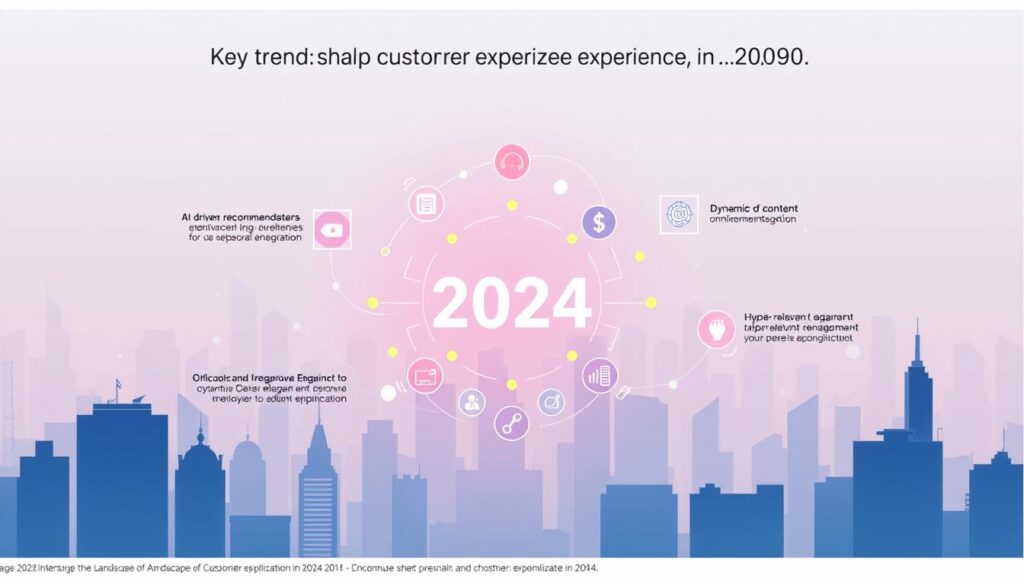
Consumer expectations have evolved, making tailored interactions a necessity, not a luxury. Over 70% of buyers now abandon brands that fail to recognize their preferences, signaling a clear shift toward individualized engagement. This urgency is reflected in recent data: 71% feel frustrated by impersonal experiences, while 72% actively ignore generic outreach.
Why Customer Experience Drives Decisions
Shoppers no longer compare brands solely on price or quality. Relevance determines loyalty—89% of consumers switch companies after encountering disconnected messaging. Retailers using behavior-based customization see 3x higher repeat purchase rates, proving that attention to detail pays off.
Emerging Patterns in Audience Engagement
Platforms like TikTok and Instagram now prioritize hyper-targeted ads using real-time user behavior. Meanwhile, email marketing innovators deploy dynamic subject lines that adapt to recipients’ browsing history. Challenges persist, though—only 34% of organizations successfully unify data across departments to fuel these efforts.
Forward-thinking teams address this by integrating AI tools that automate preference tracking while maintaining privacy standards. The reward? Deeper trust and 40% faster conversion cycles from audiences who feel understood.
Gathering and Leveraging Customer Data
Every click, purchase, and interaction tells a story. Modern businesses thrive by decoding these signals to build detailed customer profiles. Four core data types—demographic, firmographic, behavioral, and contextual—form the backbone of targeted engagement.

Demographic and Firmographic Data Insights
Age, location, and job titles reveal who your audience is. Firmographic details like company size or industry help tailor B2B offers. A SaaS company might prioritize enterprises with 500+ employees, while a local retailer focuses on zip codes within delivery range.
Behavioral and Contextual Data for Better Targeting
Tracking website visits or email opens shows what interests users. Contextual clues—like device type or time of day—add depth. Someone browsing winter coats at 7 PM on a smartphone likely needs quick purchase options.
Effective CRM integration turns raw numbers into action. Date-stamped activity logs help sales teams spot hot leads. Marketing departments use this intel to craft campaigns that convert 22% faster than generic blasts.
Three steps to maximize value: 1) Audit existing data sources monthly 2) Combine offline and online behavior patterns 3) Test messaging variations based on role-specific pain points. Companies adopting this approach see 35% higher email reply rates.
Crafting a Personalization Strategy for Email Marketing
Email remains the highest-ROI channel, generating $42 for every $1 spent. But crowded inboxes demand more than batch-and-blast tactics. Brands using tailored messaging see 66% higher conversions—proof that relevance drives results.
Personalized Email Techniques to Boost Engagement
Dynamic content adapts to user behavior. For example, abandoned cart reminders with specific product images convert 53% faster. Include countdown timers for urgency: “Only 2 left at your local store!”
Subject lines matter most. Use first names + location: “John, your Chicago weekend deal is live.” Campaigns with geo-targeting see 27% higher open rates.
Segmenting Your Email List Effectively
Group contacts by purchase history and browsing patterns. Parents of toddlers get stroller offers, while pet owners see dog food discounts. This approach reduces unsubscribes by 19%.
| Segment Type | Key Criteria | Impact |
|---|---|---|
| High-Value | 3+ purchases | 45% repeat rate |
| Dormant | No opens in 90 days | Reactivate 22% |
| New Subscribers | First 30 days | 68% open rate |
Timing boosts results. Send price-drop alerts when users last visited your site. Advanced email campaigns using real-time data convert 6x faster than generic ones.
Use “you” language: “Your favorite sneakers are back” outperforms “New arrivals.” Test send times—working professionals engage most at 7:30 AM, while students click more after 8 PM.
Developing Personalized Website Experiences
Dynamic content transforms static pages into personalized journeys. Visitors spend 35% more time on sites that adjust in real-time to their behavior. This adaptability builds trust—73% of users prefer brands that remember their preferences across visits.
Start by analyzing browsing patterns. First-time visitors might see introductory offers, while returning customers get product recommendations. Tools like heatmaps reveal which sections attract attention, letting you highlight popular items.
Pre-filled forms streamline interactions. Auto-complete fields using stored data reduce friction—shoppers convert 50% faster when checkout fields are populated. A travel site could display saved payment methods for repeat bookings.
| Technique | Implementation | Impact |
|---|---|---|
| Dynamic Landing Pages | Real-time visitor tracking | 35% longer sessions |
| Behavior-Based CTAs | User activity analysis | 2x click-through rates |
| Geo-Targeted Offers | Location data integration | 27% conversion lift |
Mobile responsiveness matters. Over 60% of searches happen on phones—ensure text sizes and buttons adapt to smaller screens. Test loading speeds weekly; pages loading under 2 seconds retain 90% of visitors.
Finally, A/B test variations. Try different hero images for audience segments. An outdoor retailer might show hiking gear to mountain IP addresses and beachwear to coastal users. These tweaks increase relevance without overwhelming teams.
Incorporating Social Media and Customer Interactions
Platforms like Instagram and LinkedIn now serve as real-time focus groups, letting brands adapt messaging based on audience behavior. Over 63% of users expect companies to respond to comments within an hour—a shift demanding agile social media tactics.
Using Social Media for Tailored Content Delivery
Targeted posts outperform generic ones by 300% in click-through rates. For example, a beauty brand might showcase sunscreen to beach-town followers while promoting moisturizers to colder regions. This approach mirrors user intent, driving meaningful interactions.
Tools like Meta’s ad manager allow A/B testing of visuals and captions. One travel agency boosted bookings by 40% after showing cruise ads to users who searched “tropical vacations.”
| Platform | Tactic | Result |
|---|---|---|
| TikTok | Trend-aligned videos | 2.5x shares |
| Role-specific case studies | 35% lead growth | |
| Twitter/X | Poll-driven discounts | 22% conversion lift |
“Social channels let us test messaging variations in hours, not weeks. Real-time feedback shapes our entire campaign strategy.”
Track metrics like story completion rates and comment sentiment. Brands using these insights refine posts 50% faster. Weekly audits help identify top-performing formats—carousels for tutorials, reels for product launches.
Consistency matters. A fitness app gained 12K followers by posting workout tips at 6 AM daily, aligning with user routines. Automated tools schedule posts but leave room for spontaneous replies to keep engagement authentic.
content personalization strategies for Enhanced Customer Experience
71% of shoppers abandon interactions when they feel ignored by generic messaging. This frustration drives brands to rethink how they connect with audiences. Advanced tactics now focus on creating seamless, memorable journeys that mirror individual preferences.
Leading companies use data-driven insights to craft hyper-relevant experiences. For example, streaming services analyze viewing habits to suggest shows, while e-commerce sites display recently browsed items. These efforts reduce decision fatigue and keep users engaged longer.
Product-focused tactics also drive loyalty. A skincare brand might recommend routines based on climate data or past purchases. “Customers return when they feel understood, not just sold to,” notes a retail marketing director. Real-time adjustments—like updating offers during checkout—boost satisfaction rates by 33%.
| Brand | Tactic | Result |
|---|---|---|
| Spotify | Custom playlists | 28% longer sessions |
| Nike | Size-based alerts | 19% fewer returns |
| Sephora | Beauty profile quizzes | 2x repeat purchases |
Three steps to implement effectively: First, audit customer touchpoints for gaps. Second, integrate behavioral data with CRM systems. Third, test variations—like location-specific homepage banners—to refine messaging. Brands adopting this approach see 45% faster checkout times and 31% higher satisfaction scores.
Focus on subtle cues. A travel site displaying local currency or a food app suggesting lunch specials at noon builds trust. These micro-interactions prove you’re paying attention, turning casual visitors into loyal advocates.
Maximizing Sales Through Personalized Sales Follow-ups
The final stages of the buyer’s journey often determine success or missed opportunities. Research shows 50% of sales occur after the fifth follow-up, proving persistence paired with precision drives results. Tailored outreach bridges the gap between interest and action, especially when powered by real-time insights.
Real-Time Visitor Engagement Tactics
Timing transforms casual browsers into buyers. Live chat tools that trigger when users linger on pricing pages increase conversions by 38%. Exit-intent popups offering discounts recover 22% of abandoning shoppers. For high-value products, one retailer saw a 15% lift using video demos triggered by scroll depth.
| Tactic | Trigger | Impact |
|---|---|---|
| Dynamic Offers | Cart Abandonment | 27% Recovery |
| Personalized CTAs | Page Scroll Depth | 19% Click Rate |
| AI Chatbots | FAQ Page Visits | 33% Resolution |
Leveraging CRM Data for Targeted Outreach
Your CRM holds patterns most teams overlook. Analyze purchase history to spot upsell windows—customers often rebuy products 14-21 days after initial orders. B2B companies using job title filters in campaigns report 40% higher reply rates.
Three steps to refine your strategy: 1) Tag leads by interaction type (demo requests vs. pricing checks) 2) Sync email opens with sales call timing 3) Update records after each touchpoint. One SaaS firm boosted conversions 29% by sending case studies to leads who downloaded whitepapers.
“Our sales team closes 50% more deals when follow-ups reference specific product features the prospect viewed.”
Integrate browsing data with outreach tools. If a consumer repeatedly checks hiking boots, follow-ups should highlight waterproof specs or bundle deals with socks. This approach reduces decision fatigue while demonstrating attentiveness.
Delivering Exceptional Customer Support and Context-Based Service
86% of customers will leave a company after one poor interaction. This reality makes context-aware support a non-negotiable standard for modern businesses. By anticipating needs before they’re voiced, teams build trust and reduce friction at critical moments.
Contextual Support Best Practices
Start by unifying customer data across platforms. Service reps with access to purchase history and past tickets resolve issues 40% faster. For example, a telecom company reduced call times by displaying recent billing interactions automatically.
Three actionable methods:
- Predict common needs: Track order history to suggest troubleshooting steps. A streaming service might preemptively offer password reset links after failed login attempts.
- Automate routine actions: Chatbots handling 65% of FAQs free agents for complex cases. One retailer saw 30% higher satisfaction by routing warranty questions to AI.
- Empower rapid responses: Equip teams with real-time inventory data. When a customer asks about out-of-stock items, agents can instantly propose alternatives.
Zappos excels here. Their reps use browsing behavior to recommend sizes during calls, boosting repeat purchases by 22%. Similarly, HubSpot’s support portal displays tailored help articles based on user roles—reducing ticket volume by 35%.
Speed matters, but relevance seals the deal. Customers remember when you solve problems before they escalate. Track resolution times and satisfaction scores weekly to refine your approach.
Leveraging Technology: AI, CRM, and Automation for Personalization
Modern tools are rewriting the rules of customer engagement. Platforms like HubSpot CRM analyze purchase history to predict future needs, while Salesforce Marketing Cloud automates tailored campaigns at scale. These systems turn raw data into actionable insights, helping brands deliver frictionless experiences.
Consider this example: A beauty retailer using AI-powered recommendations saw 31% higher repeat purchases. The system tracks browsing patterns and past orders to suggest complementary products. Automation then sends these tips via email or app notifications, creating a cohesive journey.
Three ways these tools transform marketing:
- Predictive analytics identify high-value customers before they churn
- Chatbots resolve 65% of common queries using interaction history
- Dynamic content adjusts website banners based on real-time behavior
Choosing the right platform matters. Look for systems that integrate with your existing tech stack. A travel brand boosted bookings by 40% after connecting its CRM with booking engines. Test tools through free trials—many offer limited-time access to key features.
“Our AI models cut campaign setup time by 70%, letting us focus on creative strategy.”
Start small. Use automation for welcome emails or abandoned cart reminders. As insights grow, expand to personalized product bundles or loyalty rewards. The goal? Make every interaction feel handcrafted, even when powered by machines.
Conclusion
Building meaningful customer connections now requires more than intuition—it demands precision. The methods explored here—from behavior-triggered emails to AI-enhanced CRM systems—deliver measurable results. Teams that align their efforts across departments see 40% faster conversions and stronger client bonds.
Start small—test dynamic email content or targeted product recommendations—then expand based on results. Retailers using location-based campaigns report 27% higher engagement, while service teams using chat history reduce resolution times by 33%.
Data transforms guesswork into strategy. Analyze browsing patterns to refine your approach, and let tools like heatmaps guide website tweaks. One travel brand boosted bookings by 40% after syncing CRM data with real-time offers.
Ready to elevate your business impact? Audit existing touchpoints this week. Integrate one new tactic—geo-targeted ads or personalized follow-ups—and track changes in customer satisfaction. Every tailored interaction strengthens relationships and fuels growth—begin refining your approach today.
FAQ
How does behavioral data improve targeting in marketing campaigns?
What role does AI play in enhancing tailored experiences?
Why is segmenting email lists critical for engagement?
How can businesses use social media for tailored content delivery?
What tools help create personalized website experiences?
How do CRM systems enhance sales outreach efforts?
What are the risks of over-automating customer interactions?
Why is contextual support vital for customer retention?
How do demographics influence product recommendations?
What metrics indicate successful personalization strategies?
About The Author
