How to Run a Local SEO Audit: A Comprehensive Guide
Every business with a physical location needs strong visibility in local search results. A thorough review of your online presence helps identify gaps in your strategy, ensuring customers can find you when they search. This process examines everything from your website’s performance to your Google Business Profile accuracy.
Why does this matter? Inaccurate business details, inconsistent operating hours, or unresolved customer reviews can hurt your rankings. Fixing these issues improves your chances of appearing in the Map Pack or local organic listings. This guide provides a clear roadmap to address technical errors, optimize content, and boost credibility.
You’ll learn to evaluate critical areas like on-page elements, citations, and backlinks. We’ll also explore actionable fixes based on trusted industry practices. Whether you’re a small business owner or a marketer, this approach ensures your efforts align with what search engines prioritize.
Key Takeaways
- Identifies weaknesses in your online visibility across search engines and maps
- Focuses on optimizing your Google Business Profile for better local rankings
- Addresses technical issues like slow website speed or mobile compatibility
- Improves consistency in business name, address, and phone number (NAP) listings
- Provides actionable steps to enhance reviews and local citations
Understanding Local SEO Audits
Navigating the digital landscape effectively starts with a thorough assessment of your online assets. A local SEO audit systematically evaluates how well your brand appears in location-based queries. This process uncovers gaps between your current performance and what search algorithms prioritize.
Defining the Process
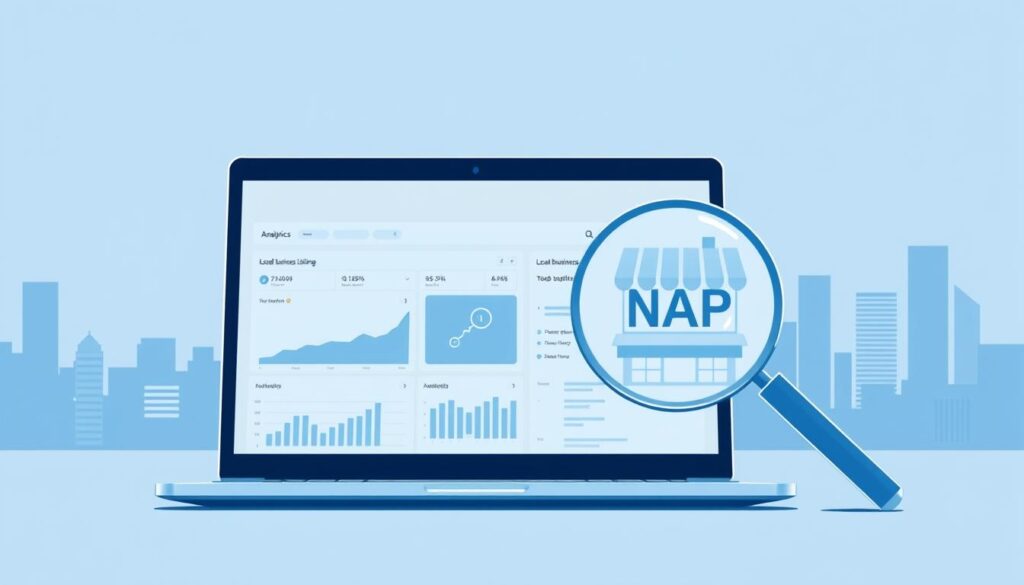
This type of analysis examines three core areas: your Google Business Profile, website structure, and third-party citations. For example, mismatched addresses or incomplete service categories on your profile can confuse customers. Website issues like slow loading times or poor mobile design also impact visibility. A comprehensive analysis identifies these errors while highlighting competitor weaknesses you can exploit.
Why It Matters for Businesses
Companies that prioritize regular audits see measurable improvements. Accurate contact details and positive customer reviews build trust with both users and search engines. Local listings with consistent NAP (name, address, phone) information rank higher in map results.
Benefits include:
- Increased foot traffic from hyper-targeted searches
- Higher conversion rates through optimized landing pages
- Stronger credibility via resolved negative feedback
Businesses using this approach often outperform competitors in local search rankings within months. The dual focus on technical fixes and content relevance creates a sustainable strategy for growth.
Step-by-Step: how to run a local seo audit
A systematic approach to evaluating your online presence ensures maximum visibility in local searches. This process focuses on critical components that influence search rankings and user experience. By addressing both technical and customer-facing elements, businesses can create a solid foundation for growth.

Identifying Key Elements
Start by reviewing your website’s structure. Ensure pages load quickly and display correctly on mobile devices. Check for consistent business details (name, address, phone) across all platforms.
Customer reviews also play a vital role—respond promptly to feedback and monitor ratings. Analyze content quality on service pages and blog posts. Look for outdated information or missing keywords that local audiences search for.
Developing an Actionable Strategy
Prioritize fixes based on their impact. Technical errors affecting site speed or mobile usability demand immediate attention. Next, optimize underperforming content by adding location-specific terms or refreshing outdated material.
Customer insights guide strategy refinement. Track common questions in reviews or search queries to address gaps. For example, if users struggle to find your hours online, update your profile and service pages. Regular audits ensure continuous improvement and stronger local visibility.
Optimizing Your Google Business Profile
Your Google Business Profile acts as a digital storefront for local customers. Keeping it accurate and engaging directly impacts visibility in map results and search rankings. Start by verifying ownership through Google’s postcard or email method—this unlocks advanced features and builds credibility.
Profile Verification & Accuracy
Unverified profiles often rank lower or get flagged. Confirm your business name, address, and phone number (NAP) match other citations like Yelp or industry directories. Inconsistent details confuse search algorithms and customers.
Update operating hours, service areas, and categories quarterly. Add high-quality photos of your location, products, or team—listings with fresh visuals receive 42% more requests for directions. Use Google’s Insights tab to track profile views and adjust your strategy based on popular search terms.
Engaging with Reviews and Q&A
Respond professionally to all reviews, especially negative ones. Thank customers for feedback and address concerns publicly. This shows Google you value user experience, boosting your ranking potential.
Monitor the Q&A section weekly. Answer common questions about parking, pricing, or services before customers ask. Pin helpful responses to the top. Active engagement here improves click-through rates and builds trust faster than static links alone.
Regular analysis of profile performance identifies gaps competitors might exploit. A well-maintained listing becomes a 24/7 sales tool, driving foot traffic and online conversions.
Evaluating Your Local Business Website
Your website serves as the cornerstone of your digital presence in local markets. To stand out, it must balance technical precision with content that resonates with nearby customers. Let’s explore three pillars for maximizing its effectiveness.
Content and Keyword Relevance
Start by auditing pages for location-specific terms. Does your homepage mention your city or neighborhood? Are service descriptions tailored to local needs? Tools like Google Keyword Planner reveal what nearby customers search for.
Update blog posts with fresh examples from your community. Replace generic phrases like “best service” with “reliable HVAC repair in [City].” This helps search engines connect your offerings to regional queries.
Technical SEO Recommendations
Slow-loading pages frustrate visitors and hurt rankings. Use PageSpeed Insights to identify bottlenecks. Compress images above 100KB and enable browser caching.
Ensure mobile responsiveness through Google’s Mobile-Friendly Test. Fix elements like oversized buttons or unreadable text. HTTPS security is non-negotiable—upgrade if your site still uses HTTP.
On-Page Optimization Strategies
Craft title tags that include your location and primary service. For example: “Chicago Bakery | Fresh Cupcakes & Wedding Cakes.” Meta descriptions should entice clicks with clear benefits and local references.
Add schema markup to highlight business hours and address. Verify NAP details match exactly what’s listed on your Google profile. Consistent information builds trust with both users and search algorithms.
Reviewing Local Citations, Listings, and Backlinks
Accurate online citations and authoritative backlinks form the backbone of local search credibility. Inconsistent business details or low-quality links confuse search engines and customers alike, directly impacting your visibility. A local SEO audit checklist helps identify these gaps systematically.
Ensuring NAP Consistency
Your business name, address, and phone number (NAP) must match exactly across directories like Yelp, Yellow Pages, and industry-specific platforms. Even minor variations—like abbreviating “Street” as “St.”—can harm rankings. Tools like Moz Local or BrightLocal scan thousands of listings to flag discrepancies automatically.
Update outdated information quarterly, especially if you’ve relocated or changed contact details. Prioritize platforms with high domain authority, such as Apple Maps or Facebook. Consistent NAP signals reliability to search algorithms, boosting your local pack rankings.
Analyzing Backlink Quality and Competitor Comparisons
Not all links are equal. A local bakery featured in a city food blog gains more value than a spammy directory listing. Use Ahrefs or SEMrush to assess link quality, filtering out toxic domains. Compare your backlink profile to competitors’—identify gaps in local news mentions or community partnerships.
Structured data markup, like schema.org, reinforces your address and phone in search results. Combine this with meta titles containing location keywords for maximum impact. Regular audits ensure your citations and links align with evolving strategies, keeping your business ahead in local searches.
Leveraging Competitor Insights and Local Keyword Research
Uncovering gaps in your strategy requires looking beyond your own data—competitor patterns reveal untapped opportunities. Analyzing rivals’ strengths and weaknesses helps refine your approach to dominate local search results.
Conducting Competitor Analysis
Identify top competitors ranking for your target keywords. Tools like SEMrush or SpyFu show their top-performing pages and backlink sources. Compare their Google Business Profile completeness—do they have more photos, detailed services, or faster review responses?
Evaluate their online reviews for recurring themes. Are customers praising specific amenities or complaining about service gaps? Address these insights in your own strategy. For example, if competitors lack weekend hours, highlight yours prominently.
Identifying High-Potential Local Keywords
Focus on phrases combining location and services, like “emergency plumber near me” or “downtown coffee shop.” Use local keyword research tools to discover low-competition terms with steady search volume.
Prioritize keywords competitors rank for but you don’t. Create content around these gaps—blog posts targeting neighborhood-specific queries or service pages optimized for regional dialects. Track rankings monthly to measure progress against rivals.
Regularly update your business profile and website content based on these findings. Small adjustments, like adding geo-tagged images or refining meta descriptions, compound over time to boost visibility in local search results.
Enhancing Technical and On-Page SEO for Improved Rankings
Technical precision and user-centric design form the backbone of successful online visibility for local businesses. Addressing core technical issues ensures your site meets search engine standards while delivering seamless experiences to mobile users.
Improving Page Speed and Mobile Optimization
Slow-loading pages frustrate visitors and damage rankings. Use tools like Google PageSpeed Insights to identify bottlenecks. Compress images above 100KB and eliminate render-blocking scripts.
Mobile responsiveness is non-negotiable. Over 60% of local searches occur on smartphones. Test your site’s mobile layout across devices—oversized buttons or cramped text layouts deter engagement. Prioritize:
- Accelerated Mobile Pages (AMP) for critical service pages
- Browser caching to reduce load times
- Responsive design that adapts to all screen sizes
Implementing Schema Markup and Structured Data
Schema markup acts as a translator for search engines, clarifying your content’s purpose. For local businesses, structured data highlights your business name, phone number, and operating hours directly in results.
Embed JSON-LD code in your website’s header to define:
- Service areas and physical address
- Customer review ratings and pricing ranges
- Event schedules or promotional offers
This data enhances rich snippets, increasing click-through rates by up to 30%. Tools like Schema Markup Generator simplify implementation without coding expertise.
Consistent NAP details across all pages reinforce credibility. Pair schema with HTTPS security and clean URL structures to improve local authority. These refinements create measurable lifts in rankings, especially for hyper-competitive service categories.
Conclusion
Mastering your digital presence requires consistent effort and strategic adjustments. This guide outlined essential steps—from optimizing profiles to refining technical elements—that drive visibility in location-based searches.
Regular audits using proven tools like Google Analytics and citation scanners prevent costly errors. Analyzing competitors’ strategies reveals opportunities to outperform them in reviews, content quality, and mobile responsiveness.
Prioritize actionable fixes over perfection. Update service pages with neighborhood-specific keywords. Address technical issues impacting page speed first. Track progress monthly through ranking reports and customer feedback.
Ready to elevate your results? Implement these steps systematically, then explore advanced tactics like hyper-local schema markup. Continuous refinement ensures your business stays ahead in ever-evolving search algorithms.
FAQ
Why is NAP consistency critical for local search rankings?
How do reviews impact a Google Business Profile’s performance?
What technical SEO factors matter most for local businesses?
How can competitor analysis improve local SEO strategies?
Why should businesses prioritize local keyword research?
What role do citations play in local search visibility?
How often should a local SEO audit be conducted?
What’s the value of schema markup for local businesses?
About The Author
